The global diplomatic press is currently obsessed with a clerical error.
They are looking at the news that Taiwan—officially the Republic of China—refused to attend the WTO Ministerial Conference in Cameroon due to "errors" in their visas and seeing a story about bureaucratic incompetence or a deliberate Chinese snub. They think this is about a misspelled name or a missing stamp.
They are wrong.
This isn’t about a visa. It’s about the fact that the World Trade Organization (WTO) has become a graveyard for relevance, and Taiwan just found a convenient exit strategy. While the media paints this as a "loss" for Taiwanese representation, the reality is far more clinical. Taiwan didn't "fail" to attend; they strategically opted out of a sinking ship.
If you think a nation-state with a GDP of nearly $800 billion and a global monopoly on advanced semiconductors is being "bullied" by a visa processing center in Yaoundé, you haven't been paying attention to how power actually moves in 2026.
The Myth of the Global Trade Table
The "lazy consensus" suggests that for Taiwan, being in the room at the WTO is everything. The argument goes like this: because Taiwan is excluded from most international bodies (the UN, WHO, etc.), the WTO is its "pivotal" (strike that, its only) platform for legitimacy.
That logic is twenty years out of date.
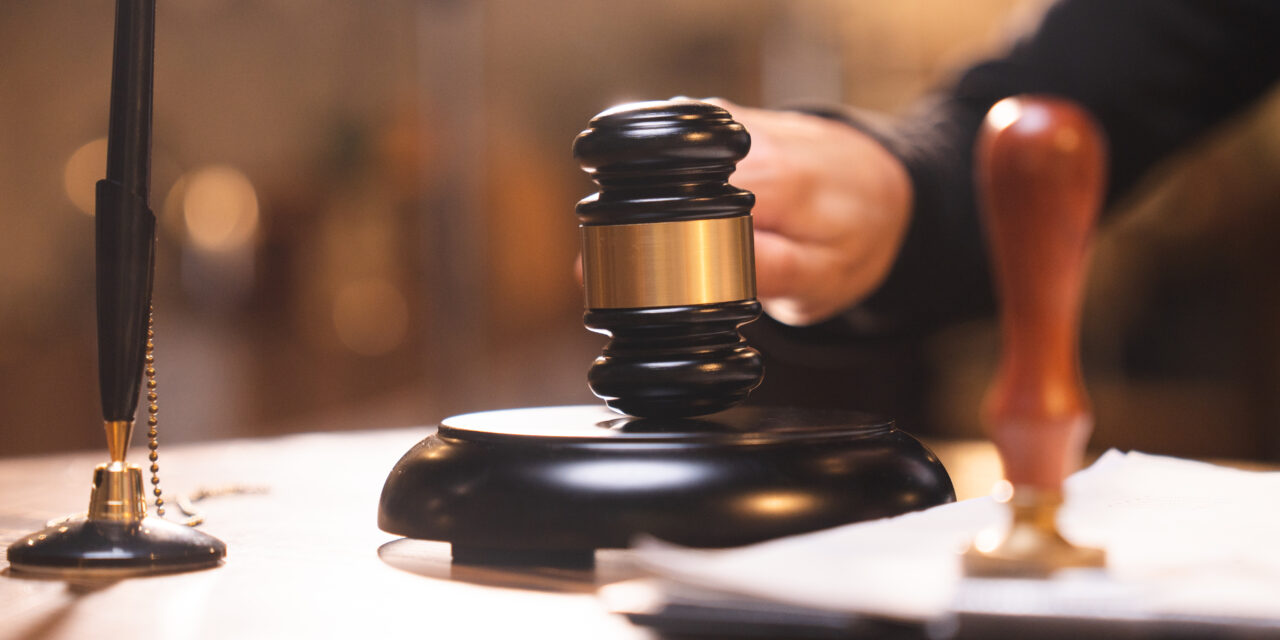
The WTO is currently a hollowed-out shell. Its dispute settlement mechanism—the Appellate Body—has been paralyzed for years because the U.S. refuses to appoint new judges. It is a court with no gavel. Trade ministers fly to these summits to sign "joint statements" that have the legal weight of a napkin.
For Taiwan, the WTO isn't a shield; it’s a distraction. By making a public stink about visa "errors," Taipei is sending a clear signal to the host and the organizers: "We are too important to be treated like an afterthought, and frankly, your meeting isn't worth the headache of fixing the paperwork."
The Semiconductor Shield vs. The Paper Visa
Let’s look at the "data" the mainstream ignores.
Cameroon, the host nation, has deep economic ties to Beijing. Of course the visas were riddled with errors. Of course they likely referred to the delegates in terms that suggested they were subordinates of the PRC. This is the oldest trick in the "United Front" playbook.
But here is the nuance: Taiwan knows that its real power doesn't come from a seat in a plenary session in Africa. It comes from the fact that without TSMC’s 2nm chips, the global economy grinds to a halt in six months.
I’ve seen trade representatives spend three days arguing over the placement of a comma in a multilateral agreement that will never be ratified. It is a waste of human capital. Taiwan’s "refusal to attend" is an act of high-level resource allocation. They are choosing to spend their diplomatic energy on bilateral deals—like the U.S.-Taiwan Initiative on 21st-Century Trade—rather than begging for a correctly spelled visa to attend a defunct summit.
The Cost of Participation
The competitor article treats the non-attendance as a tragedy. In reality, it’s a cost-benefit win.
Every time a Taiwanese official enters a room where their status is "complicated," they spend 90% of their time defending their right to be there and 10% actually discussing trade. This is a massive tax on their productivity.
- Financial Cost: Millions in travel, security, and prep for a non-binding summit.
- Political Cost: Accepting a "flawed" visa sets a legal precedent that China can use to further downgrade Taiwan’s status in future meetings.
- Opportunity Cost: Those same officials could be in Washington, Prague, or Tokyo closing actual, enforceable investment treaties.
Imagine a scenario where a CEO is invited to a board meeting where the chairman refuses to put their name on the door and the board has no power to make decisions. The smart CEO stays home and works on the product.
The Cameroon Proxy War
We need to stop pretending these summits are about trade. They are theater.
Cameroon is a signatory to China’s Belt and Road Initiative. The "visa errors" were a stress test. Beijing wanted to see if Taipei would swallow the insult just to have a seat at the table. By walking away, Taiwan didn't lose; they broke the script.
The status quo says: "Always show up. Always fight for your seat."
The contrarian reality says: "If the seat is designed to humiliate you, burn the chair."
This is a move straight out of the playbook of sovereign dignity. If you allow a host nation to fumbled your basic entry requirements without consequence, you are signaling that your sovereignty is negotiable. Taipei is stating that their presence is a privilege, not a desperate plea.
The Death of Multilateralism
The WTO’s inability to ensure the basic participation of its members—especially one as economically vital as Taiwan—is the final nail in the coffin of the "Rules-Based International Order."
We are moving into an era of Minilateralism. Small, high-trust groups of nations (like the G7 or the CPTPP) are where real trade policy is happening. The WTO is a relic of 1990s optimism that assumed everyone would play by the same rules if we just gave them a fancy enough building in Geneva.
Taiwan's absence from the Cameroon summit isn't a "blow to their international standing." It is a recognition that the "international standing" provided by the WTO is currently worth zero.
Stop Asking "Why Didn't They Go?"
The better question is: "Why does the WTO still exist?"
If the organization cannot even guarantee that a top-25 global economy can get a clean visa to attend its own ministerial, it has failed its primary mission of facilitating trade.
People also ask: "Will this hurt Taiwan's trade relations?"
Brutally honest answer: No.
Do you think a German car manufacturer cares about a visa snafu in Cameroon when they are trying to secure a stable supply of microcontrollers? Do you think the U.S. Department of Commerce is going to change its stance on AI collaboration because of a misspelled name on a travel document?
Trade is driven by necessity and scarcity, not by attendance records at bureaucratic festivals.
The Playbook for the Marginalized
For any entity—be it a company or a territory—facing institutional bias, the lesson from Taipei is clear:
- Dignity is a Strategic Asset: Do not accept "half-status" for the sake of being "included." It dilutes your brand and weakens your long-term bargaining position.
- Functional Power Over Formal Power: Leverage what you actually control (technology, capital, supply chains) to bypass the forums where you are being blocked.
- The Exit Option: The most powerful person in any room is the one who is perfectly comfortable leaving it.
Taiwan didn't lose a seat. They gained a narrative of strength. They showed they are no longer willing to play a rigged game where the host can "accidentally" lose their keys.
The era of the "polite" Taiwan—the one that would accept any indignity just to be seen—is over. What we are seeing now is a tech superpower that knows the world needs it more than it needs a seat at a broken table in Yaoundé.
If the WTO wants Taiwan there, the WTO can fix the visas. Until then, Taiwan has more important things to do than fix other people’s typos.
Stop mourning the empty chair. Start watching the bilateral deals that will be signed while everyone else is busy eating rubber chicken in Cameroon.
Get used to the sight of the empty chair. It’s the most powerful thing in the room.