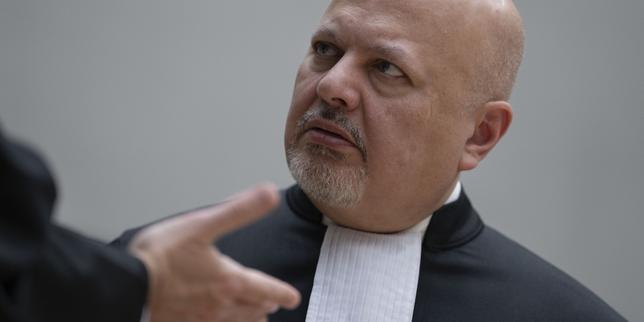
The International Criminal Court is currently facing a survival crisis that has nothing to do with its warrants for world leaders. It’s about the man who signs them. Karim Khan, the ICC Prosecutor, is now at the center of a storm that pits member states against each other in a messy, public dispute over workplace misconduct allegations. Some diplomats want him out immediately. Others fear that removing him now would effectively hand a victory to the regimes he’s currently investigating. It’s a disaster.
Member states are fundamentally stuck. The Assembly of States Parties (ASP), which governs the court, is struggling to find a path that doesn't look like a political hit job or a total cover-up. You've got a prosecutor who’s become a global lightning rod after seeking arrest warrants for Israeli and Hamas leaders. Now, he’s fighting for his career while his own colleagues are divided on whether he can even do his job. This isn't just about HR. This is about the credibility of international justice.
Why Member States Can Not Agree on the Khan Investigation
The friction boils down to a single question. Should Karim Khan step aside while the Independent Oversight Mechanism (IOM) finishes its probe? Countries like the Netherlands and several Nordic members traditionally push for the highest standards of accountability. They argue that if the ICC is going to lecture the world about the rule of law, it can't have a cloud of sexual misconduct allegations hanging over its top office. They want a clean break.
On the other side, you have a group of states—many from the Global South—who smell a rat. They see the timing of these allegations as incredibly suspicious. Khan spent years being relatively low-profile. Then, he went after Benjamin Netanyahu and Yoav Gallant. Suddenly, an internal complaint that was supposedly "closed" months ago is back on the table with a vengeance. These states worry that forcing Khan out now creates a blueprint for any country to "neutralize" an ICC prosecutor by simply laundering political pressure through workplace complaints.
The disagreement isn't just about Khan’s guilt or innocence. It’s about the precedent. If a prosecutor is forced to resign every time an unproven allegation surfaces, the office loses its independence. But if the court ignores serious claims of harassment or abuse of power, it loses its moral authority. It’s a classic catch-22 that has left the ASP paralyzed.
The Internal Friction Paralyzing The Hague
Inside the walls of the ICC, the vibe is reportedly toxic. The court's staff union has been vocal. They aren't just looking at the Khan case; they’re looking at a history of how the court handles—or mishandles—internal reports of misconduct. Many employees feel that there’s a "two-tier" system of justice where the top brass gets protected while lower-level staff are held to the fire.
I’ve seen this happen in large international NGOs and bodies like the UN. When the leadership is under fire, the mission grinds to a halt. Investigations into war crimes in Ukraine, Sudan, and Palestine require a prosecutor who can focus. Right now, Khan is spending his time with lawyers and crisis PR consultants. The staff who actually do the legwork are watching the news to see if their boss will be in the office tomorrow. You can't run a global court like that.
The IOM investigation was supposed to be the "objective" solution. However, even the IOM’s role is being debated. Some member states want an external, fully independent law firm to take over to ensure there’s zero bias. This lack of trust in the court's own internal mechanisms is a massive red flag. It shows that the member states don't even trust the tools they built to keep the court clean.
The Political Pressure Cooker
Let’s be real. This isn't happening in a vacuum. The ICC has been under intense pressure from the United States and Israel ever since Khan announced he was seeking those warrants. US senators even sent a letter threatening "severe consequences" if the court moved forward. When you add a misconduct scandal to that mix, the water gets very murky.
The ASP is currently split into three camps.
- The Purists who believe Khan must resign or be suspended to save the court's image.
- The Skeptics who think this is a coordinated smear campaign to stop the Gaza investigation.
- The Pragmatists who just want this to go away as quietly as possible without a public vote.
The problem for the pragmatists is that Khan isn't going quietly. He has denied the allegations in no uncertain terms. He’s digging in. By doing so, he's forcing the member states to either back him or publicly fire him. Most diplomats hate being forced into that kind of binary choice, especially when the stakes involve "World War III" levels of political tension.
How the ICC Navigates This Mess
There’s no easy exit here. If the IOM finds evidence of misconduct, Khan is done. The court will have to find a new prosecutor in the middle of some of the most sensitive trials in human history. That’s a nightmare scenario. It would likely delay the Gaza and Ukraine cases by years.
If the IOM clears him, the "Purist" states and critics will claim it was a whitewash. They'll say the court protected one of its own. Either way, the ICC comes out of this looking weaker. The only way forward is a level of transparency the court has never shown before. They need to release as much of the findings as possible—protecting the victim's identity, obviously—to prove they aren't just playing politics.
The ICC was built on the idea that no one is above the law. That has to apply to the prosecutor too. If the member states keep bickering and failing to provide a clear, unified direction, they’re doing the work of the court’s enemies for them. You don't need to abolish the ICC if you can just make it look like a dysfunctional HR department.
If you're following this, watch the next ASP meeting closely. That’s where the real power plays happen. Look for which countries are pushing for "external" reviews versus those trying to keep it "in-house." The future of the court’s independence depends on who wins that specific, boring procedural fight. Keep an eye on the budget votes too. Disgruntled member states often express their "disagreement" by tightening the purse strings. That’s the quickest way to kill an investigation without ever saying a word about the law.
The next step for any observer is to track the official statements from the Assembly of States Parties regarding the appointment of an external investigative body. If they move toward a private law firm from a non-member state, it’s a sign they've lost faith in the internal IOM process. That would be the beginning of the end for Khan’s tenure. Don't wait for a press release; watch the procedural shifts in The Hague.