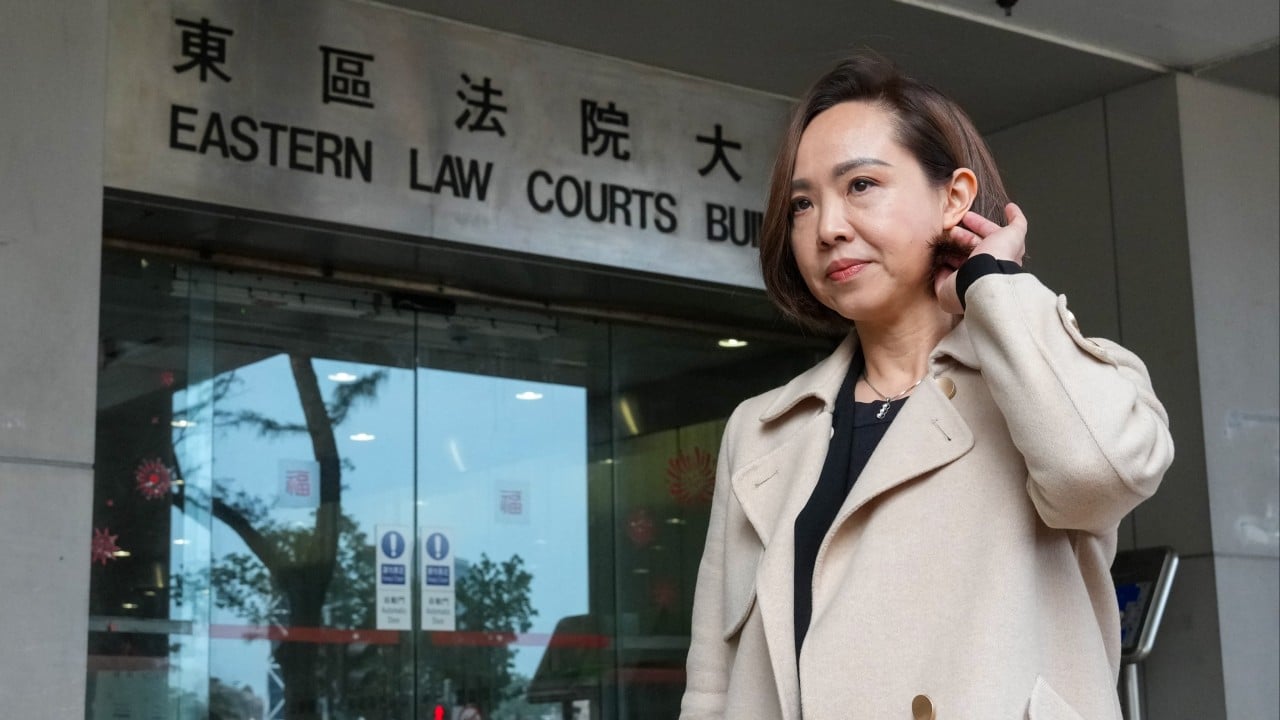
You’ve probably seen the video. A black Tesla maneuvers onto Jaffe Road in Wan Chai, heading directly against the flow of traffic. It’s a bold move, especially since the driver was heading toward a cluster of fire engines with their lights flashing. That driver wasn't just anyone; it was lawmaker Judy Chan Ka-pui. On Monday, the Eastern Court handed down its verdict, and while the HK$2,000 fine might seem like pocket change for a public figure, the one-month driving ban and the magistrate’s sharp words tell a much bigger story about accountability in Hong Kong.
Magistrate Ko Wai-hung didn't mince words. He called the offense serious and, notably, "premeditated." This wasn't a "whoops, I missed my turn" moment. It was a conscious choice.
The Wan Chai Shortcut That Backfired
The incident happened back in January, around 8 am. Chan was reportedly in a rush to attend a meeting. We’ve all been there—stuck in Hong Kong’s notorious morning traffic, watching the minutes tick away. But most of us don't decide to drive the wrong way on a one-way street to snag a parking spot.
Chan’s defense was that she saw three fire engines blocking her path. She figured they wouldn't move quickly, so she checked for pedestrians, decided it was "safe," and pulled the illegal maneuver to reach a car park entrance. Honestly, the logic is baffling. As a lawmaker, you're literally in the business of making the rules. Deciding which ones to ignore because you're in a hurry is a terrible look.
The magistrate pointed out that this wasn't a split-second mistake. She had time to think, and she chose to break the law. The only reason she didn't face a harsher penalty was her clean driving record. Without that, she might have been looking at much more than a month off the road.
Careless Driving vs Public Perception
Legally, Chan pleaded guilty to careless driving. Under Section 38 of the Road Traffic Ordinance, the maximum penalty is a HK$5,000 fine and six months in prison. She got off relatively easy with the HK$2,000 fine. But in the court of public opinion, the price is higher.
People are frustrated. On social media, the reaction was swift and cynical. There’s a growing sentiment that if you can’t follow the small rules, why should we trust you with the big ones? This isn't Chan's first brush with "rule-bending" either. She was one of the officials caught up in the infamous Witman Hung birthday party scandal during the Covid-19 lockdowns. Patterns matter. When a public official repeatedly finds themselves apologizing for "lapses in judgment," the apologies start to feel like a strategy rather than a genuine realization.
The Consequences Beyond the Courtroom
- A One-Month Ban: She’s disqualified from driving for 30 days.
- A Verbal Warning: Legislative Council President Starry Lee already gave her a verbal rap on the knuckles.
- The Supervisory Committee: The LegCo committee is expected to issue a formal response now that legal proceedings have wrapped up.
- Mandatory Education: While not strictly ordered by the court to take a driving improvement course, Chan says she’ll do one anyway. It’s a smart PR move, but whether it changes her driving habits remains to be seen.
Why This Isn't Just a Traffic Ticket
This case hits a nerve because it highlights the perceived gap between the "ruling class" and the average citizen. If you or I drove the wrong way on Jaffe Road toward emergency vehicles, we’d expect the book to be thrown at us. Seeing a lawmaker get a fine that represents a fraction of a typical monthly salary feels like a slap on the wrist.
Magistrate Ko's emphasis on "premeditation" is the key takeaway here. It shifts the narrative from a mistake to a character issue. It’s not about the HK$2,000; it’s about the mindset that your schedule is more important than the safety of the road and the integrity of the law.
Chan says she has stopped driving since the incident and might not drive again. That’s probably for the best. In a city where public transport is world-class, there’s no excuse for a lawmaker to be creating hazards on the road.
If you find yourself in a similar spot—rushing for a meeting and tempted to take a "creative" shortcut—don't. The Hong Kong police are increasingly relying on dashcam footage submitted by the public. Between the fine, the legal fees, and the inevitable public shaming, that five minutes you "save" will cost you much more in the long run. Stick to the flow of traffic, or better yet, take the MTR.