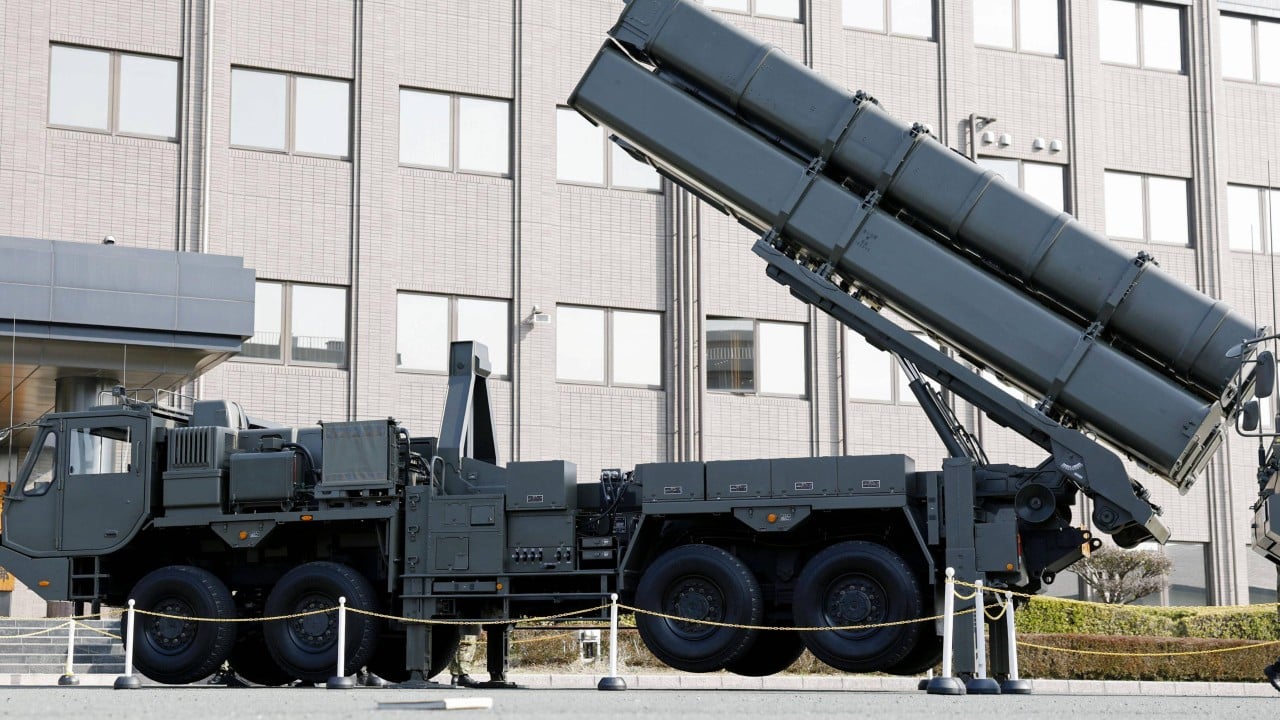
The tactical shift in the East China Sea is no longer a matter of theoretical deterrence. It is now a physical reality composed of concrete, steel, and high-velocity propellant. In late March, Japan’s Ministry of Defense finalized the deployment of long-range missile units to the islands of Okinawa and Uruma, effectively turning the Ryukyu arc into a fortified barrier designed to hem in the Chinese Navy. This isn't a mere upgrade of existing hardware. It is the most significant overhaul of Japanese strike capability since the end of the Second World War.
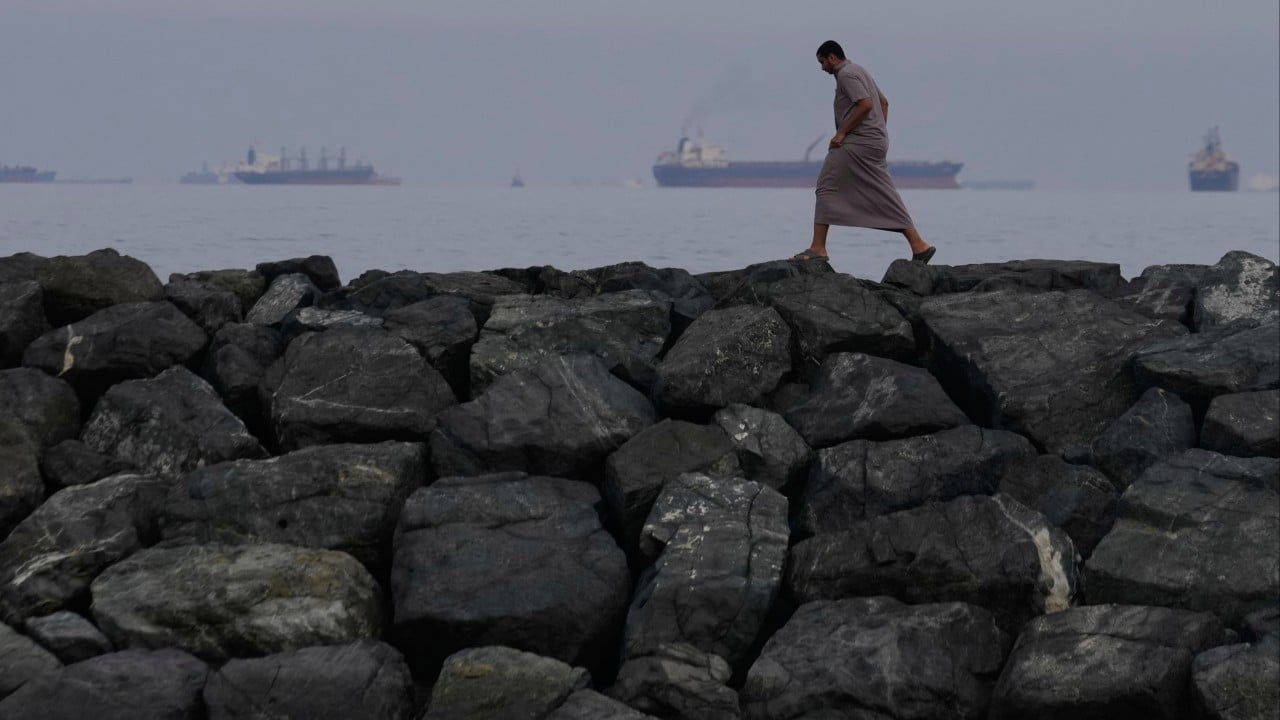
By placing Type 12 surface-to-ship missiles and preparing for the arrival of American-made Tomahawks, Tokyo is signaling that its "Shield" is growing a very long, very sharp "Spear." The primary objective is clear: control the Miyako Strait. This narrow body of water is the gateway for the People’s Liberation Army Navy (PLAN) to access the deep waters of the Pacific. If Japan can credibly threaten any vessel passing through this bottleneck from land-based batteries, the strategic calculus for a Taiwan contingency changes overnight.
The End of Strategic Ambiguity
For decades, Japan operated under a strict interpretation of Article 9 of its Constitution, maintaining forces only for immediate territorial defense. That era ended with the 2022 National Security Strategy, which authorized "Counterstrike" capabilities. The logic is simple. If an adversary knows Japan cannot reach out and touch their launch sites or command centers, Japan remains a sitting duck for missile barrages.
The deployment to the Katsuren and Uruma bases is the first physical manifestation of this policy. These units are not just defensive. They are designed to sink ships at ranges that were previously unthinkable for Japanese ground forces. While the current Type 12 missile has a range of around 200 kilometers, the upgraded versions entering production will push that envelope toward 1,000 kilometers. This range extension allows Japan to strike targets well within the Chinese mainland or deep into the Philippine Sea without ever leaving the safety of their island bunkers.
The Uruma Friction Point
Military strategy rarely survives contact with local politics, and Uruma is no exception. The decision to house a missile regiment at the Ground Self-Defense Force’s Katsuren base has met with fierce resistance from residents who feel they are being painted as a target. In their view, the presence of long-range missiles does not deter an attack; it invites one. They see a future where their homes become the "front line" in a conflict between two superpowers that care little for the preservation of Okinawan life.
Protesters have pointed to the historical trauma of the Battle of Okinawa, where a significant portion of the civilian population was sacrificed by the imperial military. When the central government says these missiles provide "peace through strength," the people of Uruma hear "expendability." This rift between Tokyo’s strategic vision and Okinawa’s lived reality is the most significant internal threat to Japan’s defense posture. If the local population refuses to cooperate, the operational effectiveness of these bases is compromised.
The Technological Leap
The hardware itself represents a departure from traditional Japanese procurement. The Type 12 surface-to-ship missile (SSM) is a truck-mounted system, making it inherently mobile and difficult for an enemy to track and destroy in a first strike. This mobility is the key to survivability. By constantly shifting positions along the jagged coastline of the southern islands, these batteries can create a "no-go zone" for hostile fleets.
Integrating the Tomahawk
While the Type 12 is the domestic backbone, Japan’s purchase of 400 Tomahawk cruise missiles from the United States provides a stopgap and a force multiplier. These are combat-proven weapons with ranges exceeding 1,600 kilometers. By integrating these into the same command-and-control structures as the domestic missiles, Japan creates a multi-layered threat. An adversary cannot simply plan for one type of incoming flight profile or one specific electronic signature.
The logistical challenge of this integration is immense. Japan must build a satellite network capable of providing real-time targeting data over vast distances. It’s not enough to have a missile that can fly 1,000 kilometers. You have to know exactly where the target is when the missile arrives. This requires a leap in space-based surveillance and high-speed data links that Japan is only now beginning to field.
The China Factor
Beijing’s reaction has been predictably sharp. They view the deployment as a violation of the spirit of the "peace constitution" and an attempt by Japan to act as a regional proxy for U.S. interests. However, the reality is that Japan’s move is a direct response to China’s own massive buildup of its Rocket Force. For years, the PLAN has operated with the assumption that the "First Island Chain" was a permeable barrier they could breach at will.
That assumption is no longer safe. By turning the Ryukyu islands into a string of unsinkable aircraft carriers and missile silos, Japan is forcing the PLAN to rethink its naval doctrine. Every time a Chinese destroyer group sails through the Miyako Strait, they are now within the crosshairs of multiple, hidden missile batteries. This creates a psychological pressure that didn't exist five years ago.
The Problem of Saturation
The biggest flaw in this new defense strategy is the math of a saturation attack. While Japan’s missiles are sophisticated, they are limited in number. China possesses thousands of ballistic and cruise missiles. In a full-scale conflict, the sheer volume of incoming fire could overwhelm the defenses of these small island bases. Japan isn't just building silos; they are building hardened bunkers and underground command centers to withstand the initial wave of a strike.
Survival in the opening hours of a conflict is the only way Japan can remain relevant in a regional war. If these bases are neutralized on day one, the entire strategy collapses. This is why the Ministry of Defense is spending billions on "sustainability"—spare parts, ammunition depots, and fuel reserves tucked deep into the Okinawan limestone.
The Economic Shadow
Building a missile-based defense system is an expensive endeavor. Japan is nearly doubling its defense spending to approximately 2% of its GDP. For a nation with a massive debt-to-GDP ratio and a shrinking workforce, this is a gamble of historic proportions. Every yen spent on a Tomahawk is a yen not spent on healthcare or social security for a rapidly aging population.
The government argues that without security, there can be no economic stability. But as the cost of these systems continues to rise, the public’s patience may wear thin. The "Okinawa problem" is not just about noise or the risk of war; it is about the perception that the periphery is paying the price for the safety of the center (Tokyo).
Shifting the Regional Balance
Japan’s neighbors are watching closely. Taiwan sees the deployment as a vital contribution to its own defense, as any Japanese involvement in the Miyako Strait complicates a potential invasion fleet's movements. Australia and the Philippines, meanwhile, are looking at Japan’s model as a blueprint for their own coastal defense strategies. We are seeing the emergence of a "latticework" of security arrangements where Japan is no longer a passive observer but a central architect.
The deployments to Katsuren and Uruma are just the beginning. More sites are planned. More missiles are coming. The quiet islands of the south are being transformed into the most heavily armed real estate in the Pacific. Whether this leads to a lasting peace or a faster slide toward conflict depends entirely on whether Tokyo can balance its global strategic ambitions with the very real concerns of the people living on the ground.
The missiles are in place. The launchers are manned. The era of the pacifist shield has officially given way to the era of the deterred strike.