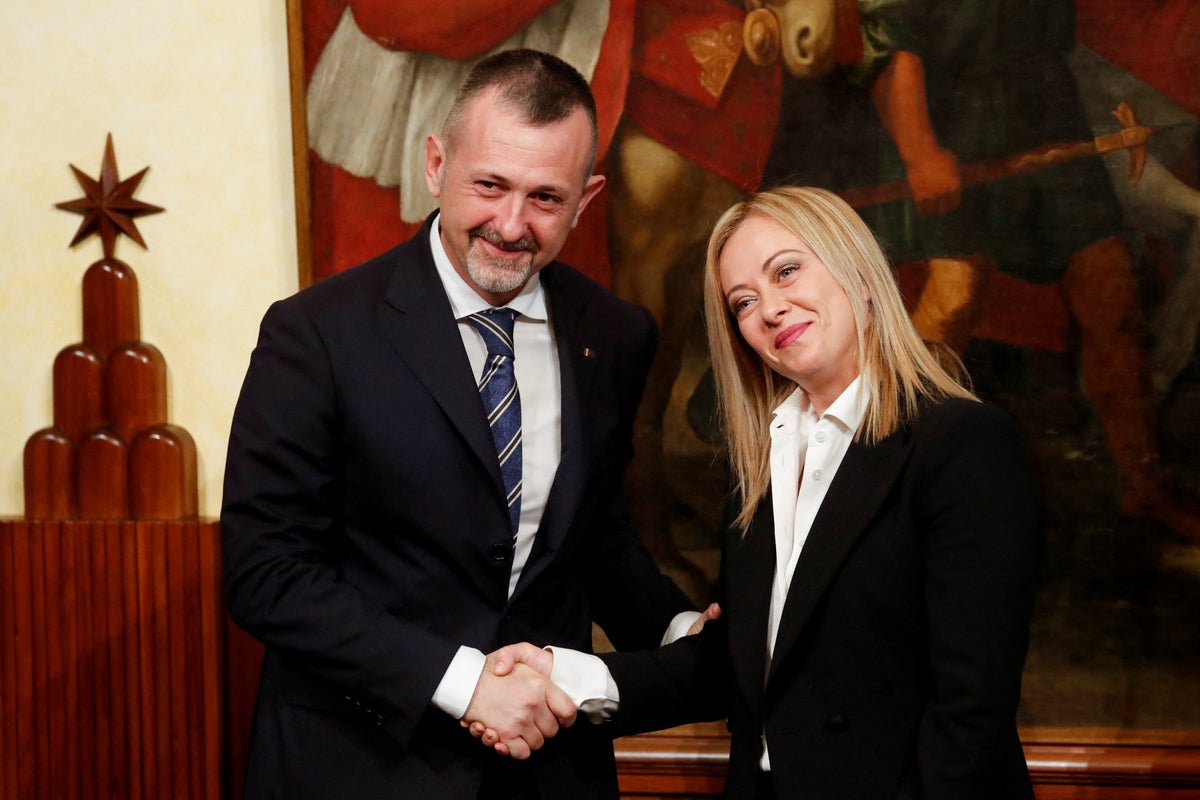
The moral theater of Italian politics just claimed another victim. An Italian minister steps down because they shared a plate of paccheri at a restaurant with "alleged ties" to the Mafia. The headlines scream about integrity. The public feels a momentary surge of righteous satisfaction. The "lazy consensus" dictates that purging the tainted official is a victory for the rule of law.
It isn't. It’s a tactical retreat that hands the keys of the kingdom to the very shadow economy we pretend to fight.
When we force a resignation over proximity rather than proven criminality, we aren’t cleaning up the system. We are ensuring that the only people who remain in power are those who have mastered the art of invisible influence. We are professionalizing the underworld by making "optics" the only metric that matters.
The Myth of the Sterile Politician
The standard narrative suggests that a "clean" politician should operate in a vacuum. In a country like Italy—where the informal economy accounts for roughly 12% to 15% of GDP—the idea of total separation is a statistical impossibility. To exist in Italian business, real estate, or hospitality is to navigate a gray zone where the lines between legitimate enterprise and "invested interests" are intentionally blurred.
By demanding a resignation the moment a link is discovered, we incentivize politicians to stop looking. If a minister performs due diligence and finds a red flag, they are now "aware" and therefore complicit if they don't act. If they remain willfully ignorant, they have "plausible deniability."
We have created a system where the most effective way to stay in office is to be the least informed person in the room.
The "Restaurant" Trap: Why Guilt by Association is Bad Policy
Let’s dismantle the "Mafia restaurant" trope. Organized crime in the 2020s doesn't look like a smoky backroom in a Coppola movie. It looks like a holding company in Milan. It looks like a high-end bistro with a Michelin star and a pristine tax record.
When a minister resigns because a restaurant owner is under investigation, we are effectively saying that the government’s job is to be a private detective agency for their own dinner reservations. This is a distraction from the real failure: The State’s inability to seize those assets before the appetizers are served.
If the restaurant is open, if the license is valid, and if the owner is walking free, the politician is engaging with a legal entity. Punishing the politician for the State’s failure to prosecute the owner is a classic inversion of responsibility.
The Cost of Performance Integrity
Every time a minister resigns over a PR scandal rather than a policy failure, we pay three distinct costs:
- Institutional Instability: Italy has had nearly 70 governments since World War II. Continuity is the rarest commodity in Rome. When we reset the clock over a lunch meeting, we kill long-term infrastructure projects, diplomatic negotiations, and economic reforms.
- The Vacuum Effect: Who fills the seat? Usually, a placeholder. A "safe" candidate with no track record, no enemies, and—crucially—no experience. Organized crime loves a vacuum. It’s easier to manipulate a novice than an entrenched veteran who knows where the bodies are buried.
- Weaponized Allegations: We have turned "Mafia ties" into a political hit piece. If all it takes to topple a rival is a leaked photo of them at the wrong wedding or the wrong trattoria, the legal system becomes an extension of the campaign trail.
Follow the Money, Not the Menu
If we actually wanted to dismantle the Mafia’s grip on Italian governance, we would stop obsessing over who sat next to whom and start looking at procurement data.
The real influence isn't traded over espresso. It’s traded in the fine print of regional waste management contracts, renewable energy subsidies, and construction tenders. Yet, the public is bored by spreadsheets. They want the drama of a disgraced minister.
The "Mafia" is no longer a secret society; it is a diversified conglomerate. As documented by experts like Roberto Saviano, the modern clans are deeply integrated into the global supply chain. They aren't trying to overthrow the State; they are trying to become its most reliable subcontractor.
When a minister resigns, the subcontracts don't disappear. The bureaucrats who signed them are still there. The middle managers who take the bribes are still there. Only the figurehead changes.
The Hard Truth About "Clean" Governance
I’ve watched administrations collapse because of a single photograph, only to see the "reform" government that followed sign off on the exact same corrupt utility deals. Why? Because the deals are systemic, while the scandals are personal.
The contrarian reality is this: A flawed, experienced minister who understands the local power dynamics is often more effective at curbing criminal influence than a "pure" outsider who doesn't know which palms are being greased.
By demanding "purity," we ensure that only the most talented liars reach the top. We are selecting for the ability to hide associations, not the ability to govern.
The Actionable Pivot
Stop asking "Who did the minister eat with?"
Start asking:
- Which specific legislation did this minister pass that benefited the "gray" sector?
- How many public tenders in their jurisdiction were won by companies with single-bidder entries?
- Why hasn't the Ministry of Justice seized the "Mafia restaurant" if the evidence is so clear that a minister’s presence there is a scandal?
The resignation is a smoke screen. It allows the government to say "we have high standards" while avoiding the grueling work of judicial reform and asset seizure. It is a cheap sacrifice to avoid a real war.
If you want to kill the Mafia, you don't do it by firing a politician who had dinner at the wrong place. You do it by making the restaurant's bank account disappear.
Everything else is just a PR stunt designed to keep the public's eyes off the ledger.
Stop falling for the moral high ground. It’s the most crowded place in Italy, and the view from the top is fake.