The Middle East just hit another flashpoint that could reshape the next decade of global security. Israel confirmed it eliminated a high-ranking Iranian security official in a precision strike, a move that signals a massive escalation in the ongoing shadow war between Jerusalem and Tehran. At the same time, Donald Trump has sent shockwaves through the diplomatic community by questioning the very foundations of Western military alliances. It's a chaotic split-screen moment. While one side of the world focuses on tactical strikes and intelligence successes, the other is grappling with a potential total rewrite of the international order.
This isn't just another headline in a long-running conflict. It's a fundamental shift in how power is projected. For years, the "gray zone" between Israel and Iran involved cyberattacks and proxy skirmishes. Now, the gloves are off. By targeting a top-tier security figure, Israel is betting that decapitating leadership will stall Iranian influence. But this happens against a backdrop of American political volatility that makes every move twice as risky. If you're trying to make sense of why this matters right now, you have to look at the intersection of kinetic warfare and high-stakes political rhetoric. Building on this idea, you can also read: Why the Green Party Victory in Manchester is a Disaster for Keir Starmer.
The Strike That Changed the Calculus
Israel's intelligence apparatus, Mossad, and the IDF have a reputation for reaching targets that others consider untouchable. This latest operation against a senior Iranian security official wasn't just about removing a person from the chessboard. It was a message. It says that no matter how deep the bunker or how thick the security detail, the reach of Israeli intelligence remains absolute.
Reports indicate the strike was surgical. It avoided broad collateral damage but hit the nerve center of Iran’s regional coordination. This specific official was reportedly a key architect in the "Ring of Fire" strategy—Iran's method of surrounding Israel with armed proxies like Hezbollah, Hamas, and the Houthis. By removing the coordinator, Israel aims to disrupt the flow of weapons and intelligence that keeps these groups operational. It's a high-stakes gamble. Tehran rarely lets such high-profile losses go unpunished, and the world is now waiting for the other shoe to drop. Experts at TIME have shared their thoughts on this trend.
The timing is everything. Iran is currently navigating internal economic pressure and a leadership transition period. Striking now exploits a moment of perceived vulnerability. However, the move also forces the Iranian regime into a corner where they might feel compelled to respond with more than just rhetoric to maintain their domestic "tough guy" image. We aren't just looking at a regional spat; we're looking at the potential for a direct state-on-state confrontation that could pull in every major global power.
Trump and the End of Conventional Alliances
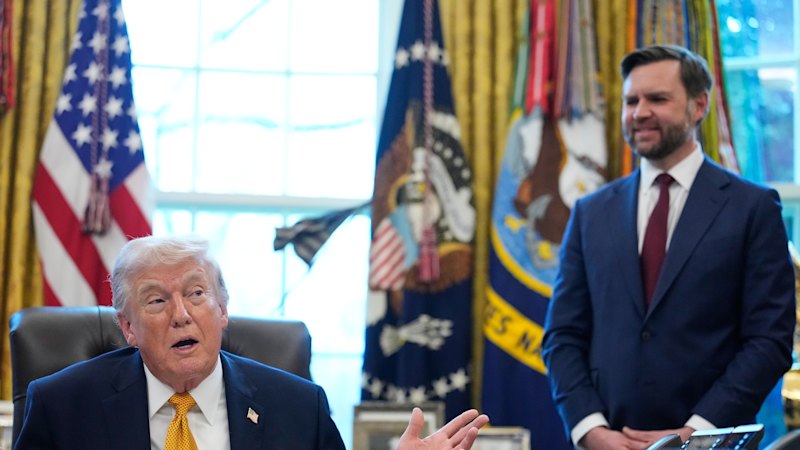
While the smoke was still clearing from the strike, Donald Trump turned the volume up on his critique of long-standing military alliances. He's been vocal about his "America First" stance for years, but his recent comments suggest a much more aggressive withdrawal from the role of the world's policeman. He isn't just asking allies to pay their fair share anymore. He's questioning the utility of the alliances themselves.
This creates a vacuum. When the U.S. signals that its commitment to mutual defense is conditional, it changes how every other country behaves. If Israel feels it can't rely on a guaranteed American backstop, it's more likely to take preemptive, unilateral actions—like this recent assassination. If Iran perceives that the U.S. won't step in to defend its partners, it's more likely to escalate its proxy wars. Trump’s rhetoric effectively removes the "safety" from the trigger of Middle Eastern politics.
Allies in Europe and Asia are watching this with genuine dread. The post-WWII era was built on the idea that an attack on one is an attack on all. Trump is basically saying, "Maybe, maybe not." For a country like Israel, which has always operated with a degree of independence but relied on American diplomatic and military hardware, this means they have to be more aggressive, more decisive, and much faster. They can't wait for a green light from Washington that might never come.
Why the Shadow War is Going Public
For decades, the conflict between Israel and Iran stayed in the dark. You’d see a mysterious factory explosion here or a scientist assassinated there, but nobody would officially take credit. That’s over. Israel is now openly acknowledging these hits. This shift from "strategic ambiguity" to "direct attribution" is a massive change in doctrine.
Why the change? Because the old way wasn't working well enough. Iran continued to build its nuclear capabilities and its drone fleets despite the covert pressure. By going public, Israel is trying to restore deterrence. They want the Iranian leadership to feel a personal sense of risk. It’s no longer just about stopping a shipment of missiles; it’s about making the people ordering those shipments feel unsafe in their own offices.
This transparency also serves a domestic purpose. In a fractured political environment, showing "strength" through successful military operations provides a temporary unifying force. But it’s a dangerous drug. Once you start making these strikes public, the public expects them to continue. You get locked into an escalation cycle that’s incredibly hard to break. If Iran retaliates, Israel has to hit back harder to save face. Before you know it, a targeted strike turns into a regional campaign.
The Intelligence Failure That Wasn't
One of the biggest misconceptions about these operations is that they’re easy because of "superior tech." That’s a small part of it. The real reason Israel can pull this off is a massive, decades-long investment in human intelligence (HUMINT) within Iran itself. You don't find a top security official in a moving vehicle or a "safe house" just by using a satellite. You find them because someone on the inside told you where they’d be.
This points to a massive internal security problem for the Iranian regime. Every time a strike like this succeeds, it suggests that the Iranian security services are compromised at a high level. It creates a culture of paranoia within Tehran. Officials start looking at their colleagues with suspicion. This "internal rot" is often more damaging to a regime's stability than the actual loss of any single leader.
When Trump blasts allies, he often ignores the intelligence-sharing aspect of these relationships. The U.S. gets a huge amount of data from its partners in the Middle East. If those relationships sour, the U.S. goes blind in one of the most volatile regions on earth. It’s a two-way street that often gets lost in the "who pays for what" debate.
The Economic Ripple Effect
Don't think this is just about soldiers and spies. This instability hits your wallet. The Strait of Hormuz is right in Iran’s backyard. About a fifth of the world's oil passes through that narrow waterway. Every time a missile flies or a general is killed, the insurance rates for oil tankers skyrocket.
If Iran decides to retaliate by harassing shipping or closing the Strait, global energy prices will jump overnight. We’ve seen this movie before. In 2026, with the global economy still trying to find its footing after years of inflation and supply chain issues, an energy shock is the last thing anyone needs. Israel’s strike was a military success, but the economic consequences of the potential fallout are something every consumer should be watching.
Moving Beyond the Headlines
The reality is that we're entering a "post-rules" era of international relations. The old frameworks—treaties, red lines, and diplomatic norms—are being ignored or dismantled. Israel is acting on its own security imperatives without waiting for a global consensus. Trump is signaling a move toward a world where every nation is on its own.
If you're looking at this and wondering what's next, stop looking for a "peace plan." There isn't one on the horizon. Instead, look for how other regional players like Saudi Arabia and the UAE react. They're the ones who will have to decide whether to form their own security blocs or try to bridge the gap between Jerusalem and Tehran.
The most immediate thing to watch for isn't another airstrike, but the Iranian response. They have a history of "strategic patience," which is just a fancy way of saying they wait until everyone has forgotten the slight before hitting back in an unexpected way. It could be a cyberattack on critical infrastructure, a maritime incident, or a proxy hit in a third country.
Stay informed by following sources that focus on regional dynamics rather than just political talking points. Look for reports on Iranian internal security reshuffles and movements in the Persian Gulf shipping lanes. The situation is moving fast, and the traditional "wait and see" approach won't work anymore. You need to understand the underlying motives of these actors to see where the next blow will land. Keep an eye on the oil markets and the specific rhetoric coming out of the Iranian Revolutionary Guard Corps (IRGC). That’s where the real signals are.