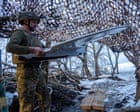
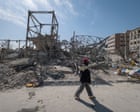
If you’re watching the news today, the headlines about the Israel Defense Forces (IDF) issuing evacuation warnings to Iranian civilians might feel like just another spike in a decades-long conflict. It isn’t. We’re seeing a fundamental shift in how modern warfare is being telegraphed in real-time.
When the IDF’s Persian-language spokesperson, Lt. Col. Kamal Penhasi, took to social media on February 28, 2026, to tell Iranians to "immediately evacuate" areas near military infrastructure, he wasn't just checking a legal box. This was a clear signal that the joint U.S.-Israeli campaign, dubbed "Operation Roaring Lion" by Jerusalem and "Operation Epic Fury" by Washington, has entered a phase where the gloves are entirely off.
The logic behind the warning
You might wonder why a military would give its enemy a heads-up. It’s not about being nice. This is strategic psychological warfare and a pre-emptive defense against international legal backlash. By telling civilians in the Jay industrial zone in Isfahan or near weapons factories in Tehran to get out, Israel is trying to strip the Iranian regime of its "human shield" defense.
The message was blunt: "Your presence in these locations puts your lives at risk."
It’s a terrifying reality for the people on the ground. Reports are already coming in from Tehran of parents pulling kids out of schools and traffic gridlocking as people try to flee city centers. This isn't a drill. The strikes have already taken out the symbolic heart of the regime, with confirmation that Supreme Leader Ayatollah Ali Khamenei was killed in a pinpoint strike on his office complex.
What's actually being targeted
This isn't a blind carpet-bombing campaign. The evacuation warnings focus on very specific clusters. If you're looking at a map of the recent strikes, you'll see a pattern:
- Ballistic Missile Arrays: The IDF confirmed a fresh wave of strikes specifically targeting Iran’s ability to hit back.
- Nuclear Infrastructure: Sites like Natanz and Fordow are reportedly in the crosshairs, aiming to end the nuclear breakout threat once and for all.
- Command and Control: The killing of nearly 30 senior IRGC commanders suggests that the "evacuation" warning is as much for the bystanders as it is a "we know where you are" to the leadership.
The regime's response has been desperate and scattered. We've seen retaliatory strikes hitting as far as Dubai and Abu Dhabi, leading to the closure of major airports like Zayed International. One civilian has already died in Tel Aviv from a retaliatory missile. The stakes aren't just high; they're existential for everyone involved.
The chaos in the Gulf
It’s easy to get lost in the military jargon, but look at the ripple effect. Air India just canceled 50 international flights. Etihad Airways suspended all departures from Abu Dhabi until at least 2:00 p.m. today. The Middle East's transit hubs, which usually handle millions of passengers, are ghost towns or scenes of absolute panic.
China is already registering its citizens for evacuation. India is issuing urgent advisories. When the "world’s mall" (Dubai) starts hearing explosions and the Burj Al Arab catches fire from drone debris, the global economy feels the tremor. This isn't just an "Israel vs. Iran" story anymore. It's a global logistics nightmare.
Why the regime is crumbling from within
The most interesting part of this story isn't the missiles. It’s the reaction of the Iranian people. While the government declares 40 days of mourning for Khamenei, videos are circulating of Iranians—ordinary people—reacting with a mix of shock and, in some cases, muted celebration.
The regime is trying to hold things together by moving university classes online to prevent protests, but the aura of invincibility is gone. When you see your "Supreme Leader" hit in his own office, the fear that keeps a population in check starts to evaporate.
What you should do now
If you have family in the region or travel plans through the Gulf, stop waiting for "official" updates that might be lagged by hours.
- Monitor Flight Statuses Directly: Don't trust third-party booking sites. Check the airline’s own app every hour. Airspace in the region is opening and closing like a shutter.
- Follow Local Embassy Feeds: If you're an expat in the UAE, Qatar, or Kuwait, the "early warning" systems are active. When your phone makes that loud alarm sound, don't ignore it to take a video. Get to a central room away from windows.
- Prepare for Digital Disruptions: We’re seeing "organized cyber attacks" across the UAE and Bahrain. Keep offline copies of your travel documents and some local currency.
The situation is moving faster than the news cycle can keep up with. Israel's warning was the starting gun for a week that will likely redraw the map of the Middle East. Don't get caught off guard by the next wave. Stay informed through direct military Telegram channels and reputable live blogs that track satellite imagery in real-time.