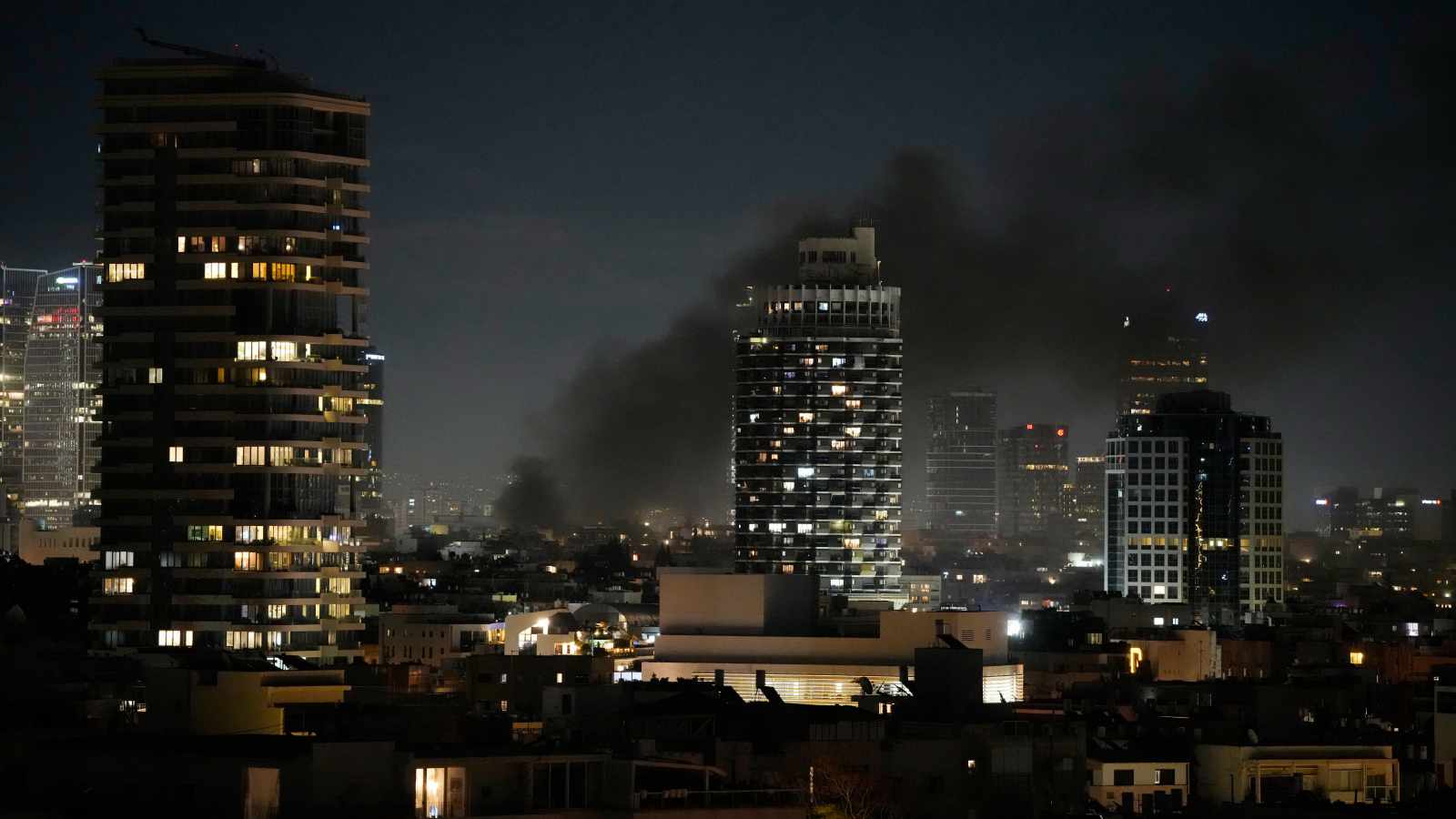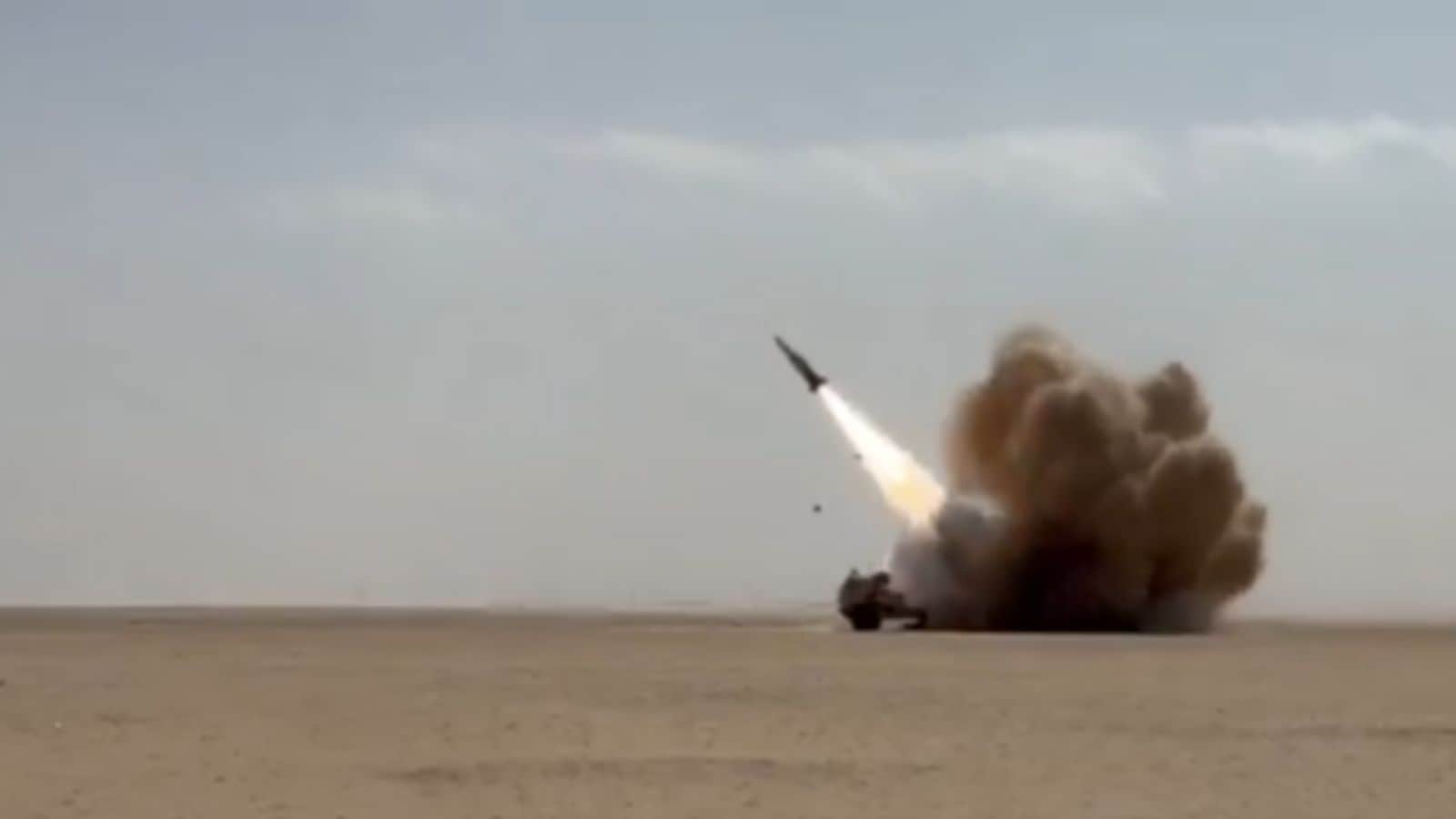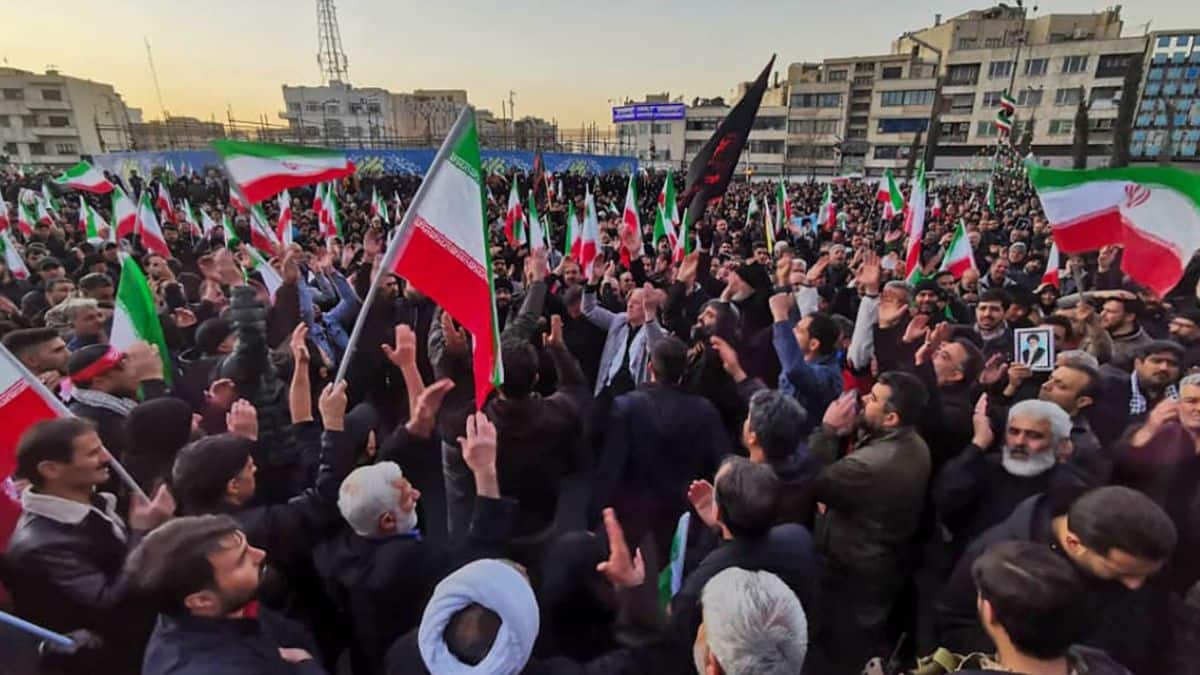
The era of Ali Khamenei ended not with a gradual fading of breath in a hospital bed, but with the kinetic roar of a joint U.S.-Israeli missile strike on the outskirts of Tehran. On February 28, 2026, the architectural center of the Islamic Republic was decapitated. By the morning of March 1, the Iranian state was forced to admit what the world already suspected: the Supreme Leader was dead.
In the vacuum left by a man who ruled for nearly four decades, a troika of officials has emerged to hold the steering wheel of a nation currently under fire. This is not a permanent government. It is a constitutional emergency brake designed to prevent the total collapse of the theocratic apparatus while the 88-member Assembly of Experts scrambles to find a successor.
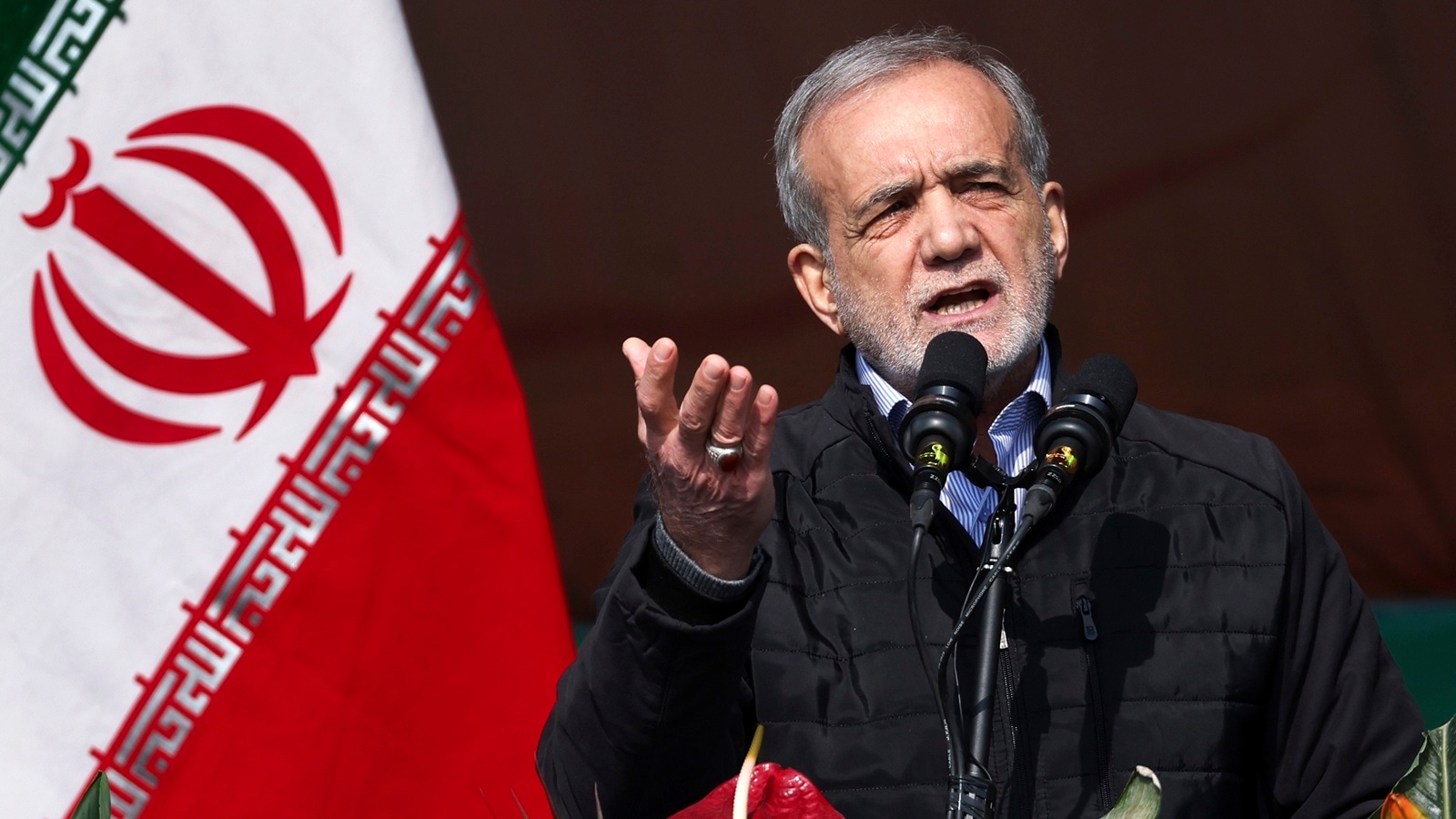
The three men now wielding the powers of the "Interim Leadership Council" are President Masoud Pezeshkian, Judiciary Chief Gholam-Hossein Mohseni-Ejei, and Ayatollah Alireza Arafi. This council is the de facto head of state, commanding the armed forces and overseeing a nation that has declared forty days of mourning and a seven-day national holiday.
The Mechanics of the Interim Troika
The formation of this council is governed by Article 111 of the Iranian Constitution. It is a "break glass in case of emergency" provision that has remained largely theoretical since the death of Ruhollah Khomeini in 1989. Now, it is the only thing standing between the clerical establishment and absolute chaos.
- Masoud Pezeshkian (The Technocrat): At 71, the president is the face of the "reformist" wing, though that label is relative in Tehran. A heart surgeon by trade, he took office in 2024 following the helicopter crash that killed Ebrahim Raisi. His role in the council is primarily administrative and diplomatic, acting as the liaison to a public currently alternating between state-mandated grief and underground celebration.
- Gholam-Hossein Mohseni-Ejei (The Enforcer): The 69-year-old Chief Justice is the council's spine. A former Intelligence Minister with deep roots in the security services, Ejei represents the "Principlist" hardliners. He is the man responsible for the internal crackdowns of 2025 and 2026. His presence ensures that the Islamic Revolutionary Guard Corps (IRGC) remains aligned with the interim civilian-clerical body.
- Alireza Arafi (The Ideologue): The most recent addition to the inner circle, Arafi was selected by the Expediency Council to represent the Guardian Council on this interim board. He is the director of Iran's seminary system. His inclusion is not just about filling a seat; it is about maintaining the "religious purity" of the transition.
The Invisible Fourth Power
While the council holds the official titles, the real power during this transition resides with Ali Larijani. Recently appointed as the head of the Supreme National Security Council, Larijani has stepped into the role of the regime's "wartime manager." On Sunday, he echoed the rhetoric of his enemies, vowing to hit Israel and the U.S. with "a force they have never experienced before."
Larijani is the bridge between the old guard and the new uncertainty. He possesses the political cunning that the current president lacks and the international name recognition that the clerics envy. In the shadows of the transition, Larijani is likely the one coordinating with the IRGC leadership, including the newly appointed commander Ahmad Vahidi, to ensure that the "decapitation strike" does not lead to a full-scale military coup.
The Succession Crisis No One Prepared For
The Assembly of Experts is legally mandated to choose a new Supreme Leader "as soon as possible." However, "as soon as possible" is complicated by the fact that several potential candidates were reportedly killed or incapacitated in the same wave of strikes that took out Khamenei.
The list of survivors is short and contentious.
Mojtaba Khamenei, the second son of the late leader, has long been the subject of succession whispers. He has the backing of the IRGC and deep influence within his father’s office. But the "hereditary" optics are toxic. The 1979 Revolution was fought to end a monarchy; installing a son to replace a father feels like a regression that even some hardliners cannot stomach.
Hassan Khomeini, the grandson of the Republic’s founder, represents the "moderate" ghost of the past. While he has been sidelined for years by the Guardian Council, the current crisis might make his lineage—and his slightly more pragmatic worldview—an attractive "unity" option for a regime facing an existential threat from both foreign missiles and domestic unrest.
The Security Dilemma
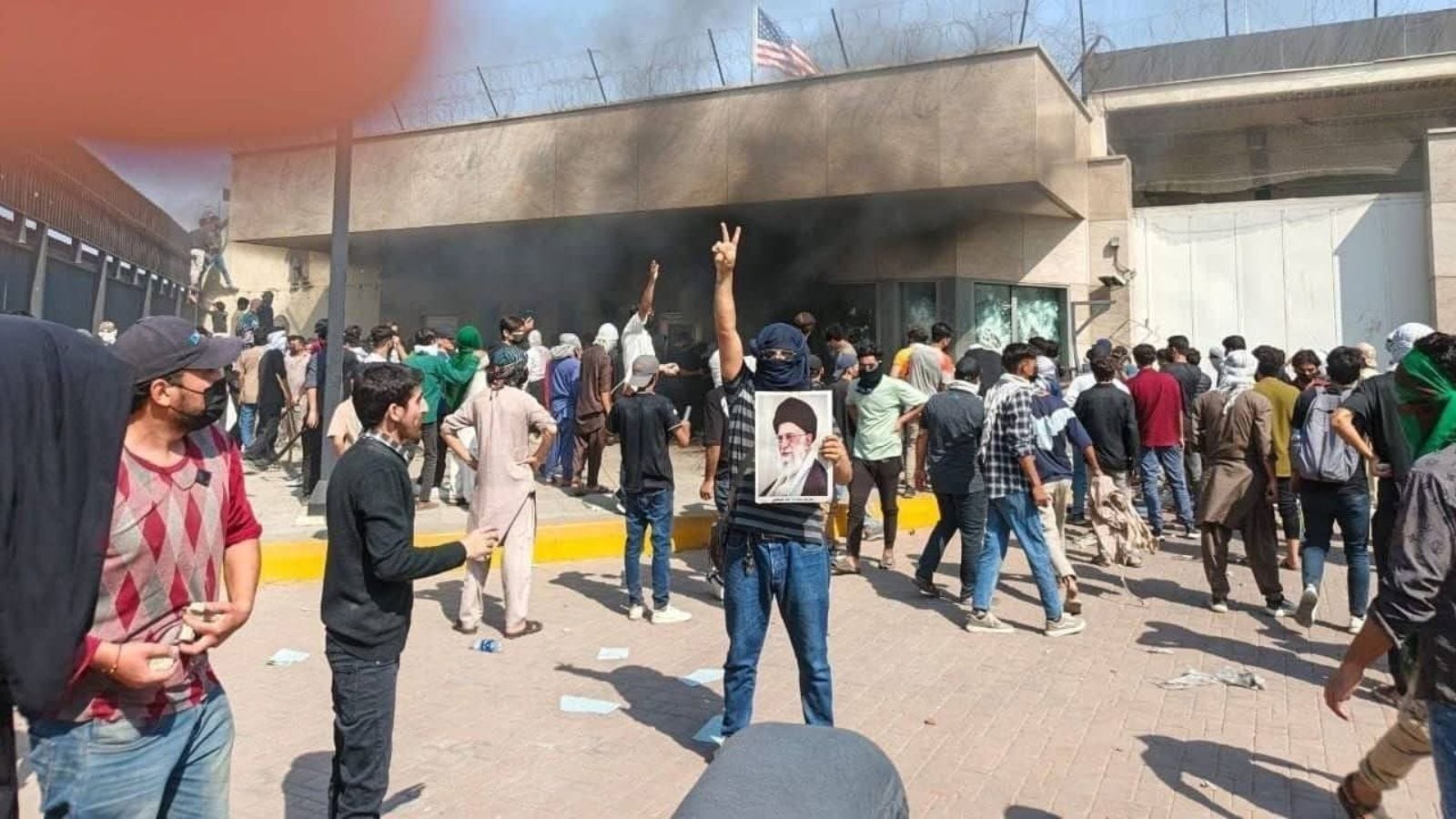
The most immediate threat to the transition is not the law, but the street. Reports are already trickling out of Tehran and Mashhad of citizens celebrating in the darkness, away from the watchful eyes of the Basij militia. The interim council must manage a two-front war: a kinetic conflict with the U.S.-Israeli coalition and a simmering domestic insurgency that views the death of Khamenei as the beginning of the end for the Islamic Republic.
The "Forty Days of Mourning" is a traditional Shiite period that has historically been used to build revolutionary momentum. In 1979, each forty-day mourning cycle for protesters killed by the Shah's forces led to larger, more violent demonstrations. The interim council is well aware of this history. They are now using that same calendar to lock down the country, using "mourning" as a pretext for a massive security presence in every major square.
A System Without a Heart
For 37 years, Ali Khamenei was the final arbiter of every major decision in Iran. He balanced the warring factions of the IRGC, the traditional clerics, and the technocratic bureaucracy. With him gone, the "system" is an engine running without a governor. The Interim Leadership Council is a temporary fix for a structural failure.
The coming weeks will determine if the Islamic Republic can survive as a "clerical committee" or if the military wing of the state—the IRGC—will finally decide that the turbaned elite are a liability. If the Assembly of Experts cannot agree on a single name quickly, the "Interim" Council may find itself presiding over the slow-motion dismantling of the state itself.
The transition has begun, but the destination is nowhere in sight.
Would you like me to track the specific movements of the Assembly of Experts or analyze the IRGC’s latest internal leadership shifts?