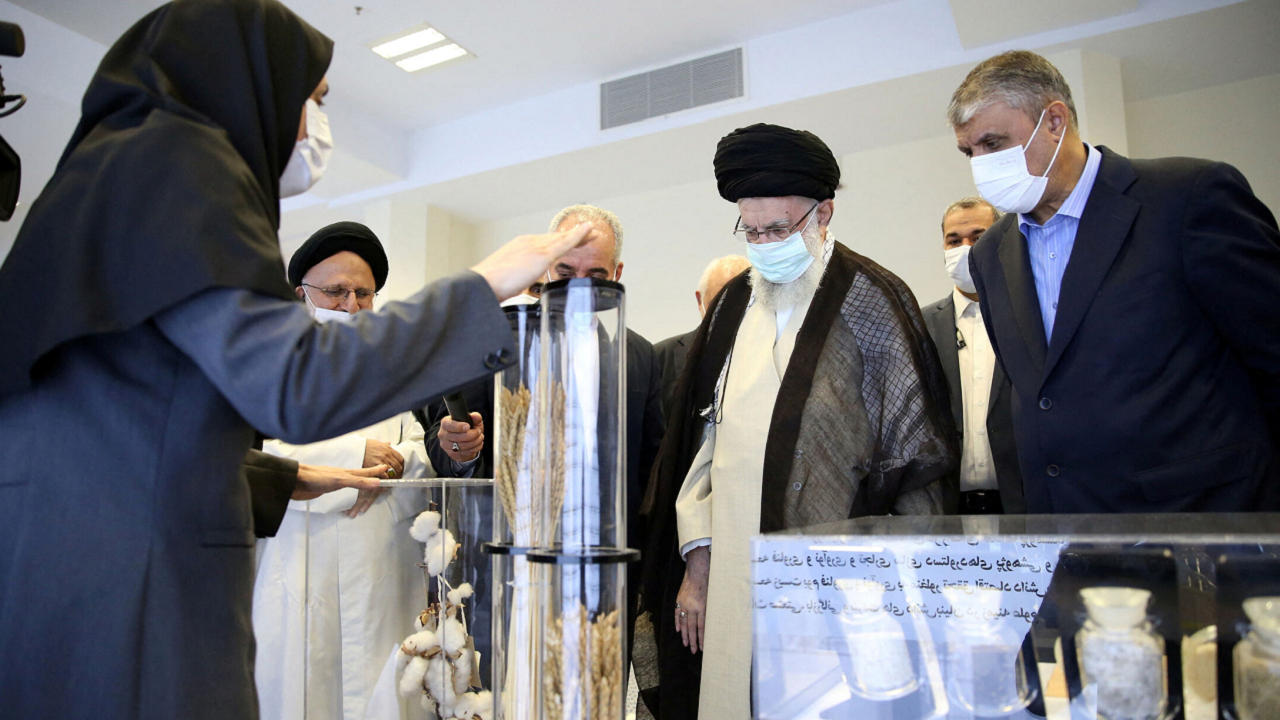
The headlines coming out of Tehran usually follow a predictable, high-stakes script. You’ve seen it before. A high-ranking official leans into a microphone, mentions the "nuclear doctrine," and the global oil markets hold their breath. Recently, the message from the Iranian leadership has been uncharacteristically steady. They're saying the nuclear doctrine is unlikely to change. At the same time, they're calling for a new protocol in the Strait of Hormuz.
If you think this is just more diplomatic noise, you’re missing the bigger picture. This isn't just about bombs or boats. It’s about leverage in a world where the old rules of engagement are screaming for an update.
Iran's current stance isn't a sign of softened intent. It’s a calculated strategic pause. By maintaining that their nuclear ambitions remain peaceful—under the long-standing fatwa against weapons of mass destruction—they keep a foot in the door for future negotiations. But the mention of the Strait of Hormuz? That’s the real teeth of the argument.
The Nuclear Doctrine Myth and Reality
Most people get the Iranian nuclear debate wrong. They see it as a binary switch: either they're building a bomb or they aren't. In reality, it’s about "breakout capability." Tehran has already mastered the fuel cycle. They have the centrifuges. They have the enrichment levels. Staying "unlikely to change" the doctrine means they're comfortable sitting on the threshold.
Why move across the finish line and trigger a massive regional war when you can gain 90% of the deterrent value just by standing on the 1-yard line?
The Iranian leadership knows that an official shift to a weapons-based doctrine would invite an immediate, kinetic response from Israel and likely the United States. By keeping the doctrine "stable," they avoid the strike while keeping the threat credible. It's a psychological game. You don't need to fire a weapon if everyone is already afraid you might build one.
We should look at the internal pressures, too. The Iranian public is exhausted by sanctions. The leadership needs to project strength without triggering a total economic collapse that could lead to internal unrest. Maintaining the status quo on the nuclear front is their way of playing it safe while the region remains a powderkeg.
Why the Strait of Hormuz Needs a New Protocol
The Strait of Hormuz is the world’s most important oil chokepoint. About 20% of the world’s liquid petroleum passes through that narrow stretch of water every single day. When Iran talks about a "new protocol," they aren't asking for permission. They're asserting dominance over their backyard.
The current maritime rules are based on international conventions that Tehran feels don't account for their security needs. They want a seat at the table to redefine who sails through and under what conditions. Honestly, it’s a shakedown. By suggesting the old protocols are outdated, they're telling the West that the safety of global energy supplies is now tied to Iranian political concessions.
Think about the geography. At its narrowest point, the shipping lanes in the Strait are only about two miles wide. It wouldn't take a full-scale navy to plug that hole. A few well-placed mines or a swarm of fast-attack boats would do the trick. Tehran knows this. You know this. The oil traders in London and New York definitely know this.
A "new protocol" is code for "our rules." They want to move away from the heavy U.S. Fifth Fleet presence in the Persian Gulf. They want a regional security framework where they are the primary stakeholder, not a secondary player.
The Energy Weapon is Back in Play
We often forget that energy is the ultimate political tool. In 2026, with the global transition to green energy still in its messy middle phase, oil and gas still run the world. Iran’s talk of Hormuz protocols is a direct jab at the global economy.
If a new protocol isn't established on their terms, the implicit threat is clear: instability. Even a minor "accident" in the Strait sends insurance premiums for tankers through the roof. Those costs get passed down to you at the gas pump or in the price of the goods delivered to your door.
Beyond the Headlines
What the competitor articles usually miss is the timing. Why say this now?
- U.S. Election Cycles: Tehran always watches the American political calendar. They're setting the stage for whoever sits in the Oval Office next.
- The Russia-China Axis: Iran isn't as isolated as it used to be. With closer ties to Moscow and Beijing, they feel they have the backing to demand new "protocols" without being instantly crushed by Western sanctions.
- Regional Rivalries: The shifting dynamics with Saudi Arabia and the UAE mean Iran has to constantly reassert its "Alpha" status in the Gulf.
Security Realities You Can't Ignore
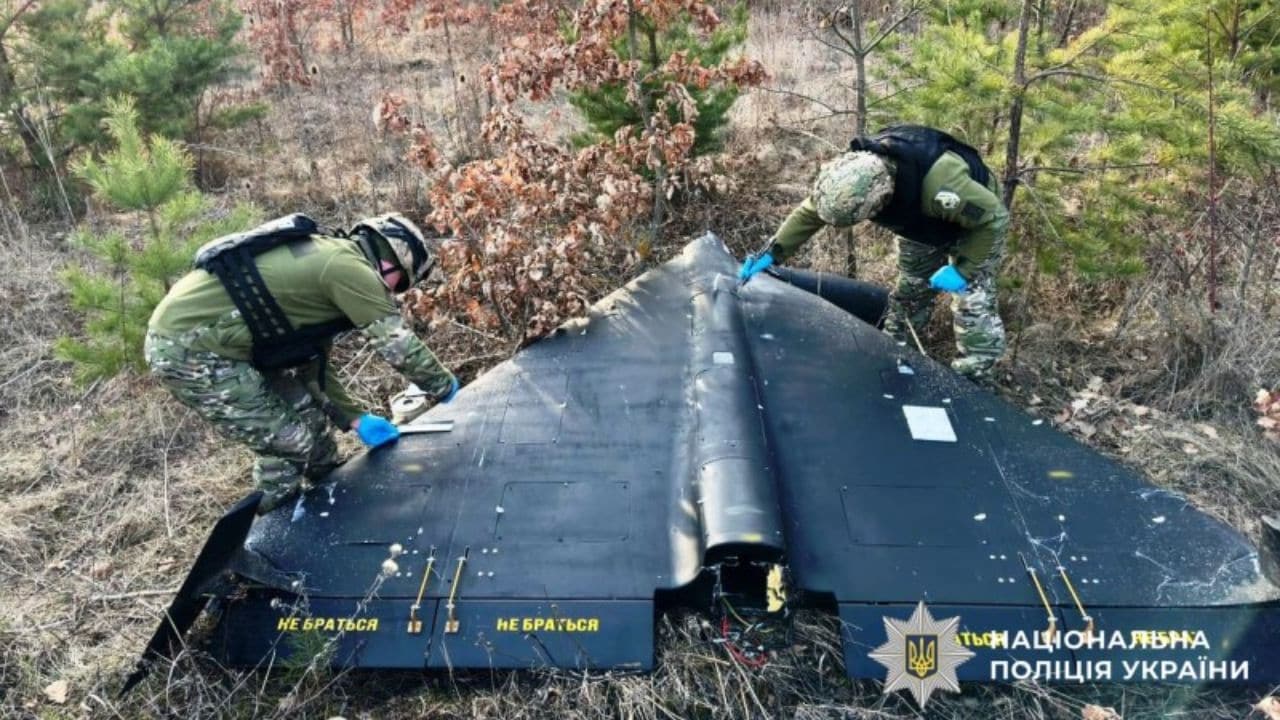
You can't talk about the Strait of Hormuz without talking about the hardware. Iran has invested heavily in asymmetric warfare. We aren't talking about aircraft carriers. We're talking about thousands of drones, midget submarines, and mobile coastal missile batteries.
These aren't "cutting-edge" in the way a stealth fighter is, but they're effective. They’re cheap, they’re numerous, and they’re hard to defend against in a crowded waterway. The call for a new protocol is basically Iran saying, "We have the tools to make this very difficult for you, so let's talk."
It's a classic move from the Iranian playbook. They create a point of tension, then offer to "solve" it through a new framework that coincidentally gives them more power. It’s brilliant in a dark way. It forces the international community to choose between a messy conflict or a slow erosion of international maritime law.
The Misconception of Iranian Isolation
Stop thinking of Iran as a hermit kingdom. They're deeply integrated into the "shadow" economies of the world. Their oil finds its way to market. Their technology—especially their drone program—is being used on battlefields thousands of miles away.
When they speak about nuclear doctrines and maritime protocols, they're speaking from a position of perceived strength, not desperation. They’ve survived "maximum pressure" campaigns before. They've figured out how to keep the lights on while the world tries to shut them out.
This resilience is why their demand for a "new protocol" in the Strait of Hormuz should be taken seriously. They aren't just complaining; they're signaling a shift in the regional order. They want the world to acknowledge that the Persian Gulf is an Iranian lake, and the price of passage is political recognition.
What This Means for Global Stability
If the nuclear doctrine remains "unlikely to change," we stay in this grey zone of "cold peace." It’s uncomfortable, but it’s predictable. The real danger lies in the maritime shift. If Iran successfully forces a new protocol in the Strait of Hormuz, the precedent is set. Other nations in control of vital chokepoints—like the Bab el-Mandeb or the Strait of Malacca—might decide they want their own "protocols" too.
The global shipping industry relies on the concept of "innocent passage." If that starts to erode in favor of regional "protocols," the entire model of global trade takes a hit.
You should be watching the insurance markets. If the big maritime insurers start hiking rates for the Persian Gulf, you'll know the "new protocol" talk is having a real effect. Don't wait for a formal announcement from the UN. The markets will tell you the truth long before the diplomats do.
The next time you see a headline about Iranian nuclear plans, look for the footnote about the Strait of Hormuz. That’s where the real action is. The nuclear threat is the shield, but the maritime control is the sword.
Monitor the movement of the U.S. Navy’s carrier strike groups in the region. If they start staying further out in the Arabian Sea, it’s a sign that the "new protocol" is being enforced de facto, even if nobody has signed a piece of paper yet. Keep your eye on the price of Brent Crude as a primary indicator of how much the world believes these threats. When the volatility index spikes, it's a clear sign the "new protocol" rhetoric is hitting home.