If you think the latest headlines about Iran promising "crushing" retaliation are just another round of Middle Eastern saber-rattling, you aren't paying attention to how much the board has changed. This isn't 2020. It's April 2026, and we're currently a month into Operation Epic Fury. When Tehran’s Khatam al-Anbiya Central Headquarters says they’re planning "broader and more destructive" actions, they aren't just trying to save face. They’re fighting for the survival of a regime that has already lost its Supreme Leader.
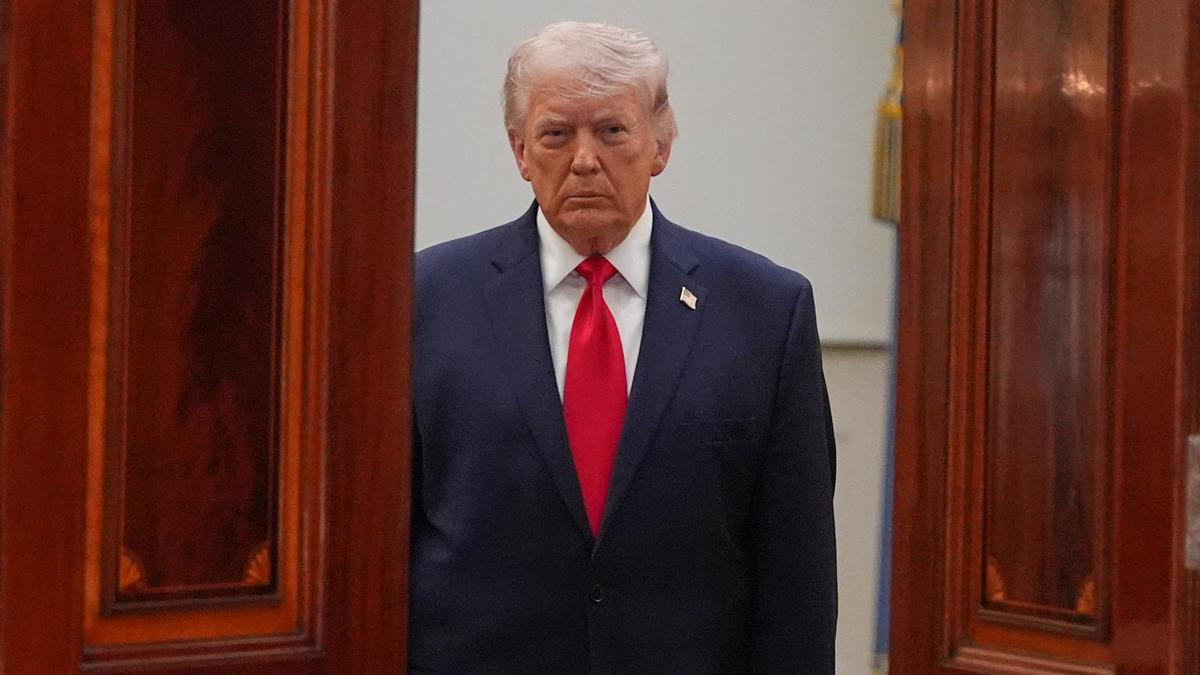
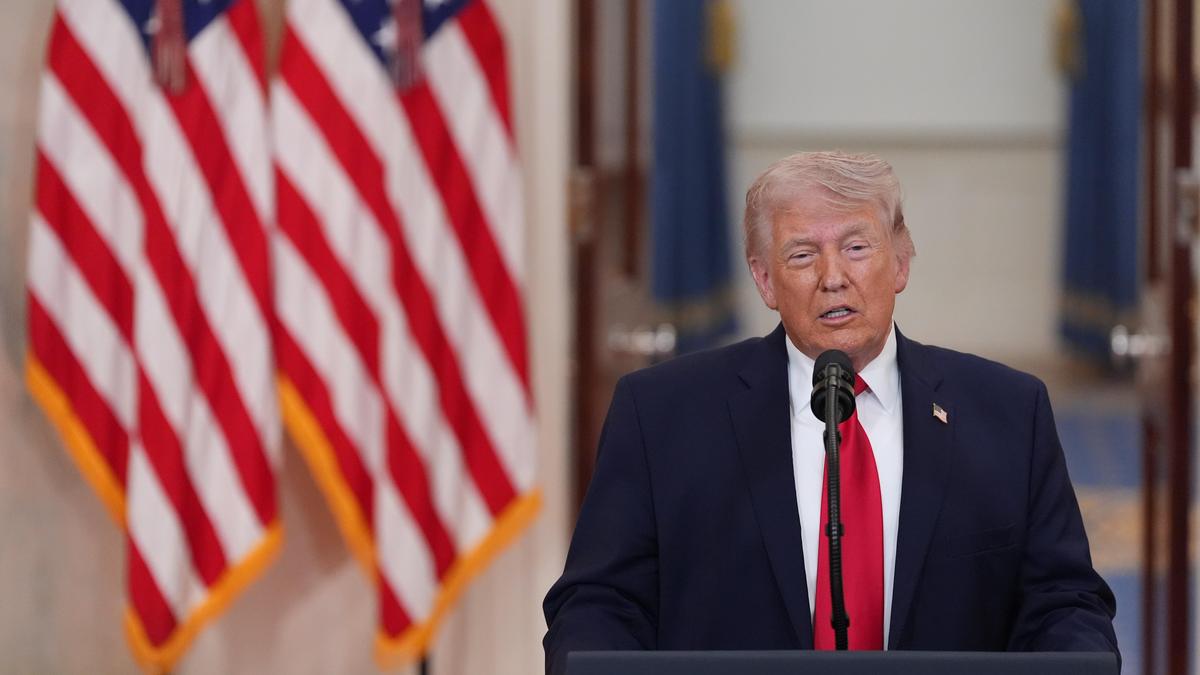
The rhetoric coming out of the White House is just as blunt. President Trump recently claimed the U.S. has already "decimated" the Islamic Revolutionary Guard Corps (IRGC) and neutralised their navy. He’s basically given Iran a three-week deadline to surrender or watch their energy infrastructure get bombed back to the "Stone Ages."
It’s a high-stakes game of chicken where both drivers have already thrown their steering wheels out the window.
The Reality of the Crushing Retaliation
Tehran’s military command isn't just venting. They’re responding to a massive joint U.S.-Israeli offensive that kicked off on February 28. That operation didn't just hit missile silos; it took out Ayatollah Ali Khamenei. When a revolutionary state loses its ideological North Star, it doesn't usually go quiet. It lashes out to prove it still has teeth.
Iran’s "crushing" strategy focuses on three main pressure points:
- The Strait of Hormuz: They’ve already initiated a partial blockade. If they go full scorched-earth here, global oil prices won't just spike; they'll explode.
- Proxy Saturation: While the U.S. focuses on mainland Iran, groups like the Houthis and remnants of Hezbollah are being signaled to turn the volume up to eleven.
- Cyber Warfare: The IRGC recently threatened to target 18 major U.S. tech firms, including Google and Meta, if the assassinations continue.
Trump's Stone Age Ultimatum
Trump isn't known for nuance, and his current stance on Iran is the purest distillation of "Maximum Pressure" we’ve ever seen. By claiming that Iran’s missile launchers are mostly gone and their air force is "degraded," he’s trying to project an endgame. He wants a 15-point surrender, no enrichment, and total control over the waterways.
But there’s a gap between the White House briefings and the reality on the ground. Iran has spent decades burying its most important assets deep underground. You don't "decimate" a decentralized drone program with a few weeks of airstrikes. Even if the U.S. has "neutralized" the traditional navy, Iran’s strength has always been in asymmetric warfare—thousands of small, fast boats and hidden mobile launchers that are nightmares to track.
Why Diplomacy is Currently a Ghost Town
Iranian Foreign Ministry spokesperson Esmaeil Baqaei hasn't minced words: "There is no direct negotiation with the U.S." While Pakistan is trying to play the middleman, the demands on the table are basically non-starters for Tehran.
You don't ask a regime to give up its only leverage (nuclear enrichment and the Strait) while you're actively bombing their capital. It's a "maximalist" approach that leaves the Iranian leadership with two choices: surrender and face internal collapse, or double down on the "crushing" response they’ve promised.
The Regional Fallout
It’s not just about Washington and Tehran. The neighbors are terrified.
- Kuwait: Just yesterday, an Iranian drone hit fuel tanks at their international airport.
- Iraq: They’re trying to bypass the Strait of Hormuz by exporting oil through Syria, a desperate move to keep their economy breathing.
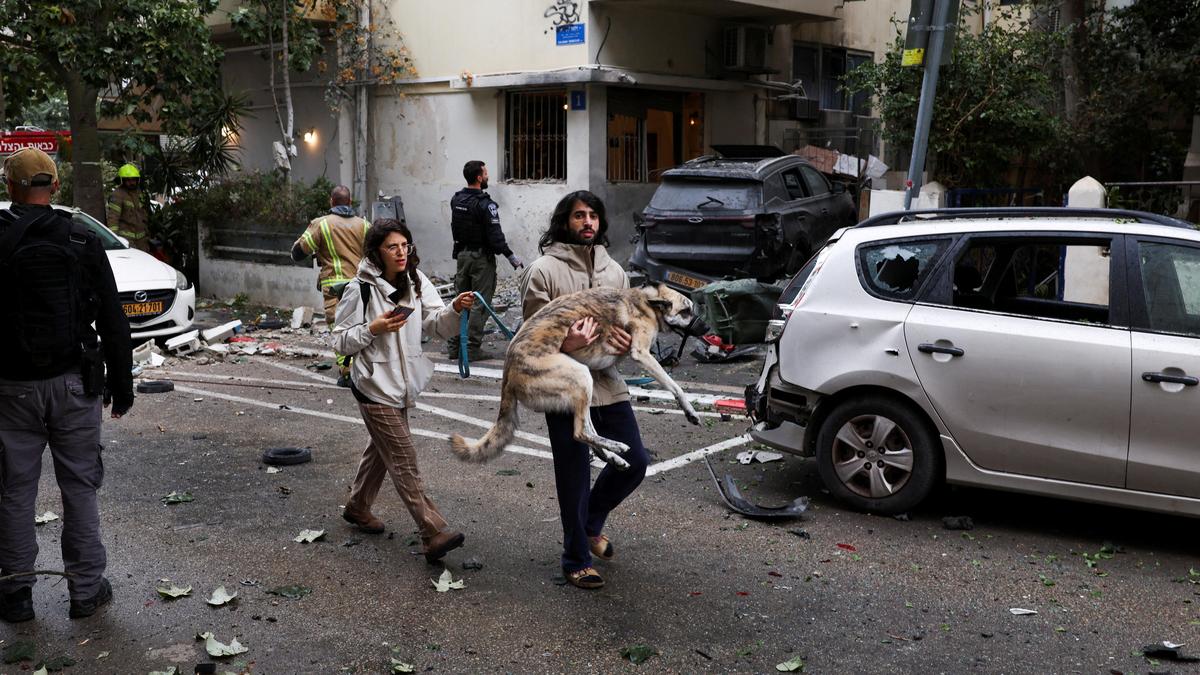
- Israel: They’re bracing for "waves" of missile fire that have already started hitting following Trump’s latest speech.
What Happens in the Next Three Weeks
The April 6 deadline for reopening the Strait is the real date to watch. If Iran doesn't blink, Trump has signaled he'll go after the energy sites. That’s the "Stone Age" part of the threat. If that happens, we're no longer talking about a "limited" conflict. We’re talking about a regional firestorm that could pull in every major power.
Don't expect Tehran to back down quietly. They’ve already shown they’re willing to hit U.S. allies and tech infrastructure. The next few days will determine if this is the beginning of the end of the war, or just the end of the beginning.
If you're watching the markets or the news, keep your eye on the Strait of Hormuz transit numbers. That’s the only metric that matters right now. If the ships don't move, the missiles likely will. Keep your bags packed and your gas tanks full; the "crushing" phase is just getting started.