Burkina Faso is bleeding. If you haven't been following the Sahel lately, the numbers are gut-wrenching. Human Rights Watch just dropped a report that should make the world stop and look. Since 2023, more than 1,800 civilians have been killed. These aren't just statistics in a ledger. They’re farmers, children, and village elders caught between the brutal blades of jihadist insurgents and the very army meant to protect them. The situation has shifted from a regional security headache into a full-blown humanitarian catastrophe. It's messy, it's violent, and honestly, the international community seems to have looked away.
The report highlights a terrifying reality where the "good guys" and the "bad guys" are both committing atrocities. We aren't just talking about crossfire. We're talking about targeted executions. Human Rights Watch documented specific instances where the Burkina Faso military and their allied volunteer militias (VDP) carried out mass killings of civilians they suspected of collaborating with militants. Meanwhile, the jihadists—linked to Al-Qaeda and the Islamic State—are using even more barbaric tactics to control territory. They're laying siege to towns and cutting off food supplies. People are literally starving to death while waiting for a rescue that isn't coming. Also making waves in this space: Finland Is Not Keeping Calm And The West Is Misreading The Silence.
The Army is Turning on its Own People
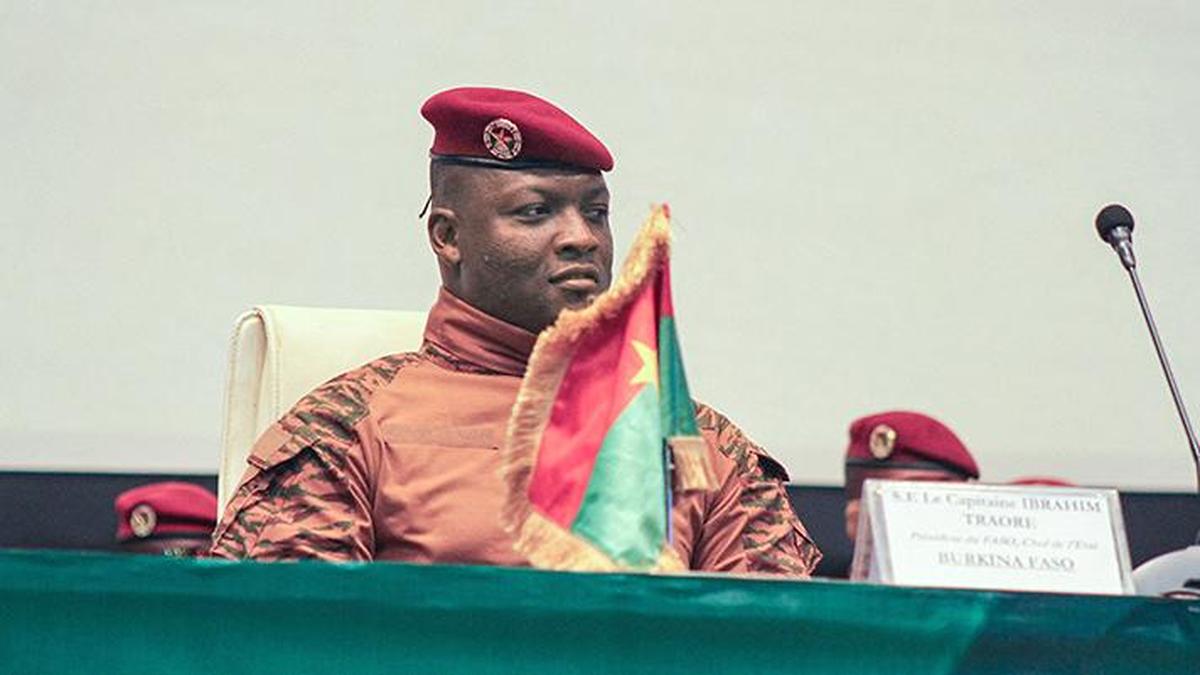
You’d expect the national army to be the shield. In Burkina Faso, it’s often the sword. The military junta, which seized power in a coup promising better security, has instead presided over a surge in extrajudicial killings. According to the HRW findings, the army's counter-terrorism operations frequently involve "cleansing" villages. They see a young man in a specific area and assume he’s a militant. They don't arrest him. They kill him.
In February 2024, one of the worst massacres occurred in the villages of Nodin and Soro. Witnesses described soldiers moving from house to house. They rounded up people and opened fire. Over 200 people died that day. It wasn't an accident. It was a message. The government usually denies these reports or blames "terrorists dressed as soldiers," but the evidence from survivors is consistent and chilling. They recognize the uniforms. They recognize the vehicles. They recognize the weapons. When the state becomes as unpredictable as the terrorists, civilians have nowhere to run. More information into this topic are detailed by Reuters.
The use of the Volunteers for the Defense of the Homeland (VDP) has made things worse. These are essentially poorly trained civilians given a gun and a vest. They often use their newfound power to settle local scores or target specific ethnic groups, like the Fulani, who are frequently stereotyped as jihadist sympathizers. This creates a cycle of revenge that fuels the insurgency. If the army burns your village, you're much more likely to pick up a gun for the other side.
Jihadist Brutality is Reaching New Lows
While the army’s actions are inexcusable, the jihadist groups are the primary drivers of this chaos. They’ve turned large parts of the country into "no-go" zones. Their strategy is simple and cruel. They surround a town, plant landmines on every exit road, and destroy the water infrastructure. They want total submission. If you don't join them, you don't eat.
These groups have killed over 1,000 civilians in the last year and a half alone. They target schools because they hate "Western" education. They target churches and moderate mosques. They want to erase any social structure that doesn't bow to their extremist interpretation of law. In several documented cases, they've stopped buses, identified people working for the government, and executed them on the spot. It’s psychological warfare designed to break the spirit of the Burkinabè people.
The most heartbreaking part is how the jihadists use the army's brutality as a recruitment tool. They go to the families of those killed by the military and offer "justice" and protection. It’s a trap. Once you're in, you're a pawn. They use these recruits to launch more attacks, which triggers more army retaliation. The cycle repeats. It never stops. More than two million people are now internally displaced within the country. They’re living in makeshift camps, dodging drones and IEDs, wondering if their own government considers them expendable.
The Failure of Regional and Global Security
West Africa is currently a geopolitical mess. Burkina Faso, along with Mali and Niger, kicked out French forces and turned to Russia for help. They brought in the Wagner Group—now rebranded as the Africa Corps. If you think Russian mercenaries care about human rights, you haven't been paying attention. Their presence hasn't stopped the killings. It has likely encouraged a "no prisoners" approach that leads to more civilian deaths.
The Economic Community of West African States (ECOWAS) is toothless here. They've tried sanctions, but that just hurt the poor. The African Union issues statements that nobody reads. Meanwhile, the United Nations is struggling to get aid into the besieged towns because the militants keep attacking the convoys. We''re seeing a total collapse of the rule of law.
When the military took over in 2022, people actually cheered in the streets of Ouagadougou. They were tired of the old government's failures. They wanted a strongman to fix things. But "strength" that relies on murdering your own citizens isn't strength at all. It's a sign of a regime that has lost control. The current leadership is more focused on silencing journalists and activists than on actually winning the war. They’ve passed laws that make it a crime to criticize the military’s performance. If you speak up about a massacre, you get "conscripted" and sent to the front lines. It’s a death sentence for dissenters.
What Needs to Happen Now
Waiting for the junta to investigate itself is a waste of time. They’ve already shown they have no interest in accountability. The international community needs to stop treating this as just another "small conflict" in a faraway place.
First, the African Union has to step up. They need to demand independent investigations into the Nodin and Soro massacres. There have to be consequences for commanders who order these strikes. If the world keeps sending aid without strings attached, it just subsidizes the status quo.
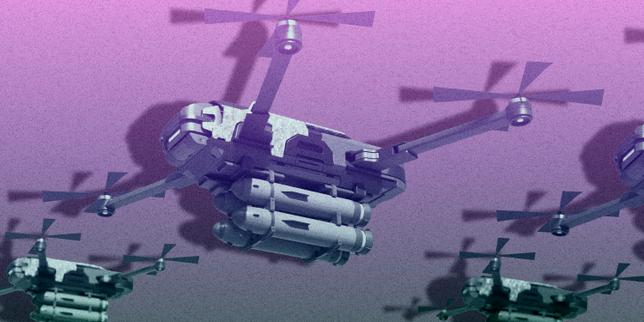
Second, we need to talk about the drones. Burkina Faso has been using Turkish-made drones to strike targets. These strikes often hit weddings, markets, and funerals. There needs to be a serious conversation about the proliferation of this tech in regions with zero oversight.
Lastly, support for local civil society is vital. There are still brave Burkinabè lawyers and activists trying to document these crimes. They’re the ones on the ground. They’re the ones risking everything. They need protection and funding.
The report from Human Rights Watch isn't just a document. It’s a warning. If the world continues to ignore the 1,800 lives lost, that number will double by next year. Burkina Faso is a country of incredible culture and history, and it’s being torn apart by two sides that both claim to be the solution. In reality, they're both the problem. Stop looking away. Demand that your representatives prioritize Sahel security and human rights in their foreign policy. The cost of silence is being paid in blood every single day.
Support organizations like Human Rights Watch and Amnesty International that are doing the hard work of documenting these atrocities. Without their eyes on the ground, these 1,800 people would have died in total darkness. Don't let their stories disappear.