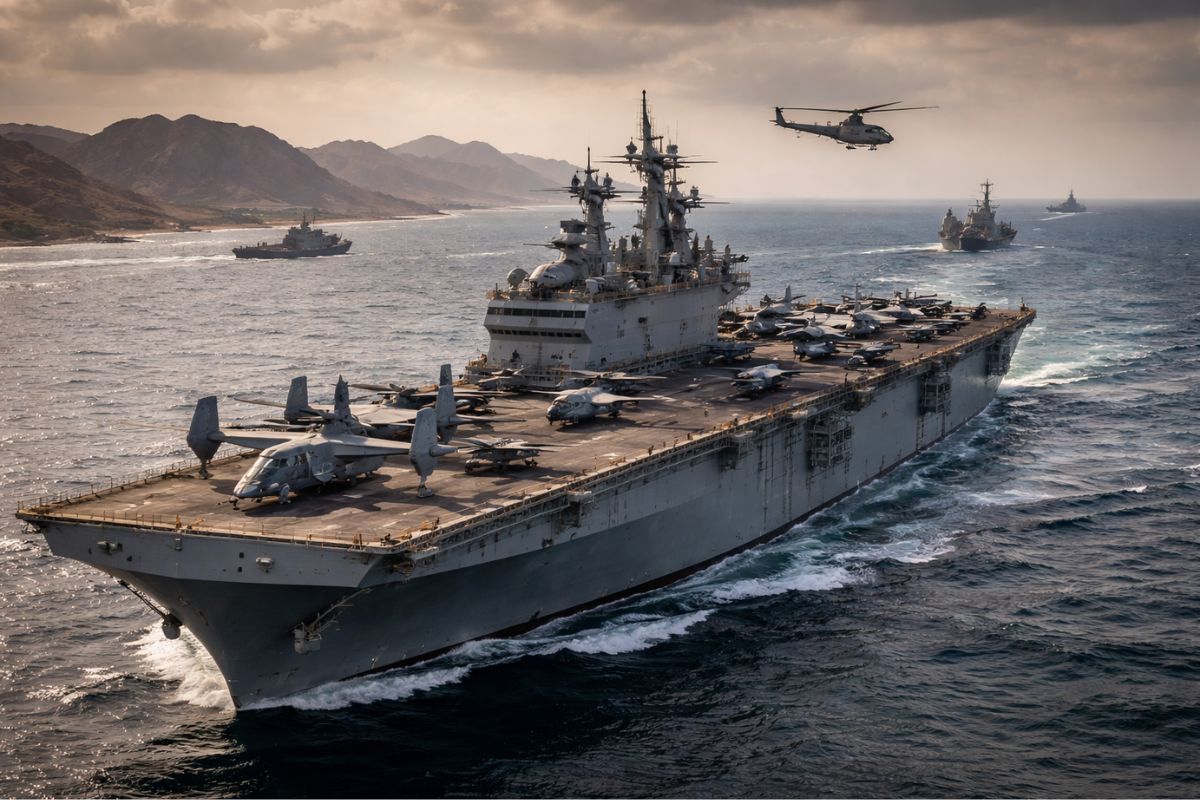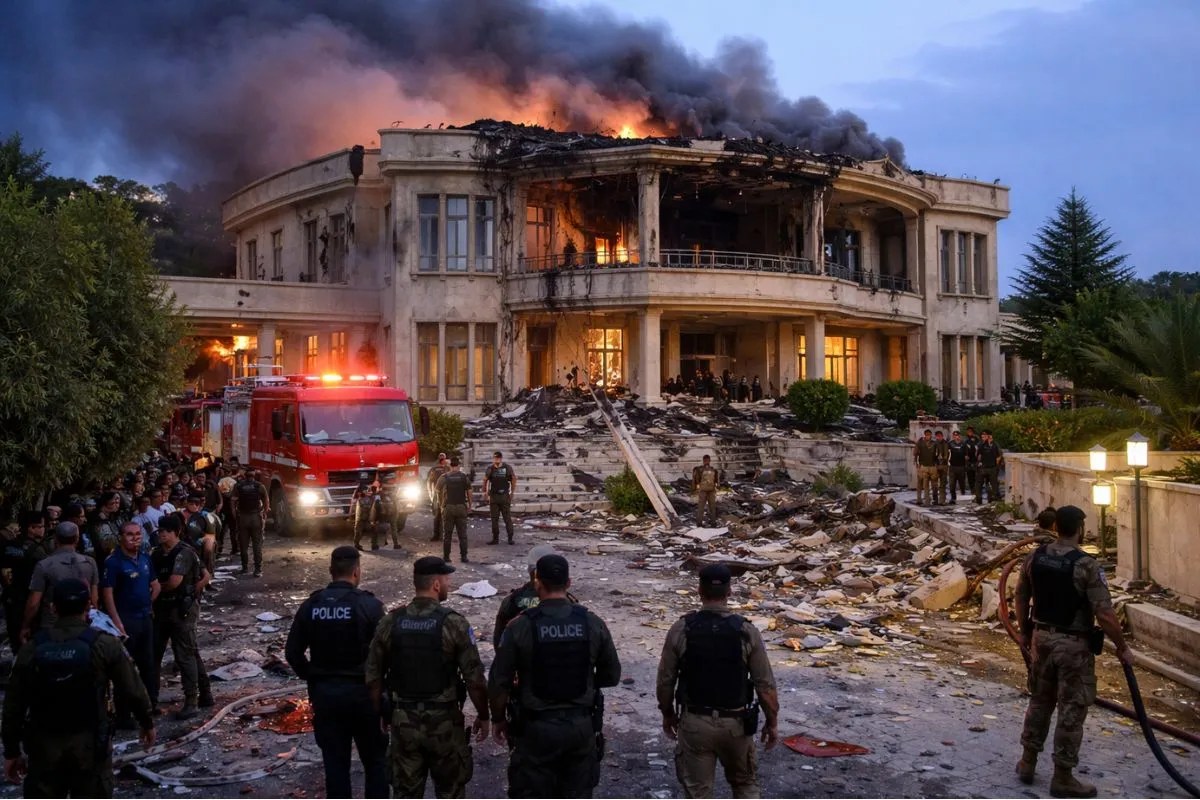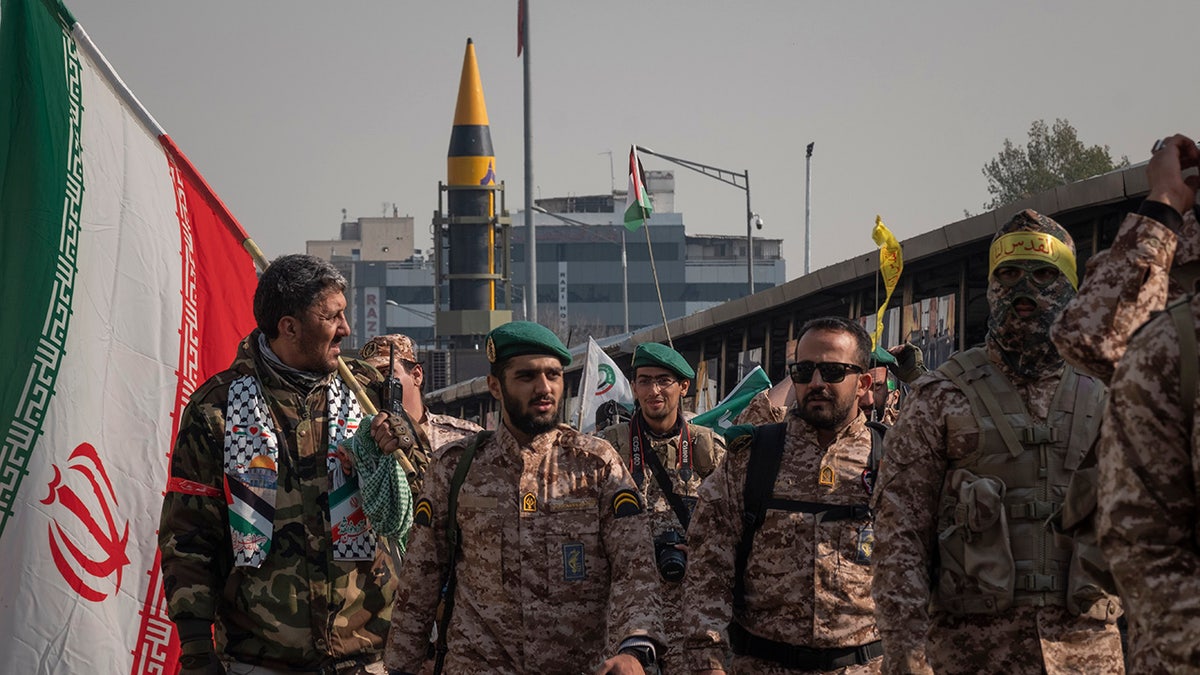
Iran isn't just bracing for impact anymore. It’s actively retooling its entire financial DNA. While the West monitors missile trajectories and naval movements, the real battle is happening in the bazaars, the oil terminals, and the opaque corridors of the Setad. The Iranian leadership calls this the "Resistance Economy." It sounds like a propaganda slogan, but it’s actually a survivalist blueprint designed to make the country immune to external pressure. If you think sanctions are going to collapse the system overnight, you’re looking at the wrong map.
The core idea is simple. Tehran wants to decouple its survival from the global banking system. They’ve spent decades learning how to breathe underwater while the rest of the world tries to drown them with embargoes. This isn't about thriving or hitting record GDP growth. It’s about being "un-crushable."
The Architecture of Defiance
The Resistance Economy isn't a new whim. It was codified by Supreme Leader Ali Khamenei around 2012, but the current regional escalation has forced the government to hit the accelerator. The goal is to move from a consumer-based model that relies on imports to a self-sufficient fortress.
Instead of selling crude oil to Europe or Japan—which the U.S. can easily block—Iran has shifted its focus to "petrochemicals" and refined products. It’s much harder to track a thousand small shipments of polyethylene or gasoline than it is to track a massive VLCC tanker full of crude. They’re turning their raw resources into value-added goods that their neighbors in Iraq, Turkey, and Afghanistan desperately need.
This creates a "neighborhood economy." If you can sell your goods to the guy across the border for cash or through a barter system, a SWIFT ban doesn't mean much. Iran's non-oil exports have surged because they've realized that the more they integrate with regional neighbors, the less the U.S. Treasury Department can do to stop them.
Knowledge Based Companies as the New Front Line
You might think of Iran as just an oil state, but the government is pouring billions into what they call "knowledge-based companies." This is their attempt to clone the tech they can no longer buy from Siemens or General Electric.
Take the medical sector. Iran now produces over 95% of its own medicine. When sanctions hit life-saving drugs, they didn't just give up. They reverse-engineered them. They’re doing the same with spare parts for their aging oil infrastructure and even their drone fleet, which has become a hallmark of their military reach.
By subsidizing these local firms, the state creates a dual benefit. First, it keeps unemployment from sparking a revolution. Second, it ensures that if a war breaks out, the military-industrial complex won't grind to a halt because of a missing German-made microchip. They're building a parallel industrial universe.
The Crypto and Barter Backdoor
When you can't use the dollar, you find a workaround. Iran was one of the first nations to officially recognize Bitcoin mining as an industrial activity. They don't love crypto because they're tech libertarians. They love it because it’s a digital tunnel under the sanctions wall.
By using their cheap, subsidized electricity to mine Bitcoin, the Iranian state effectively converts its stranded energy into a liquid, global asset. That asset can then be used to pay for imports that would otherwise be blocked.
Barter is the other "low-tech" secret weapon. Iran trades oil for rice with Thailand, or oil for tea with Sri Lanka. It’s an ancient way of doing business that makes modern financial warfare look slightly ridiculous. You can’t sanction a shipment of grain when it’s being traded directly for a barrel of oil without a single dollar ever changing hands.
Why the Bazaari Class Still Matters
The traditional merchants, the Bazaaris, have always been the heartbeat of Iranian politics. The Resistance Economy relies on them to keep the wheels turning. These networks are masters of "gray market" logistics.
They know how to set up front companies in Dubai or Turkey. They know which ports have the laxest inspections. While the official statistics might show a dip in trade, the informal economy is screaming. This shadow trade is what keeps iPhones on the shelves in Tehran and Chinese car parts in the repair shops. It’s expensive and inefficient, but it works.
The government's role here is to stay out of the way or actively facilitate the smuggling. They’ve lowered tariffs on essential goods and created a multi-tiered exchange rate for the Rial. It’s a mess for economists to track, but it ensures that even if the currency is devalued, the poorest citizens can still afford bread and fuel.
The Resilience of the IRGC Business Empire
We can’t talk about the Resistance Economy without mentioning the Islamic Revolutionary Guard Corps (IRGC). They aren't just a military branch. They're a massive conglomerate. They control construction firms, telecommunications, and engineering giants like Khatam al-Anbiya.
The IRGC thrives in a sanctioned environment. When foreign firms like Total or Peugeot pulled out of Iran, the IRGC-linked companies stepped in to take over the contracts. This has consolidated power in the hands of the most hardline elements of the state. In their view, sanctions are a gift that allowed them to purge foreign influence from the domestic market.
This creates a "Stakeholder State." If the military owns the factories and the dams, they have a massive incentive to make sure those projects succeed, even under fire. It creates a circle of patronage that is very hard to break from the outside.
Misconceptions About Economic Collapse
There’s a common belief that if you just squeeze a country's economy hard enough, the people will rise up and overthrow the government. In Iran, the Resistance Economy is designed to prevent exactly that.
The state uses "smart" subsidies. They’ve moved away from broad subsidies that helped the rich and poor alike, and toward targeted electronic transfers. This gives the government a direct line to the bank accounts of the lower class. It’s a tool of both welfare and control.
Is there inflation? Absolutely. Is the Rial struggling? Yes. But "collapse" is a word used by people who don't understand how resilient a siege economy can be. Iran has been under some form of sanctions since 1979. They are the world's leading experts in "making do."
Strategic Diversification of Oil Customers
The "Ghost Fleet" is real. Iran uses a rotating cast of tankers with obscured names and turned-off transponders to move oil to China. China is the ultimate safety valve for the Resistance Economy.
As long as Beijing is willing to buy Iranian crude—often at a steep discount—Tehran will have the hard currency it needs to fund its regional proxies and its domestic programs. The West treats oil as a global commodity, but for Iran, it's a strategic tool used to cement an alliance with the world's rising superpower.
What This Means for the Region
The Resistance Economy makes Iran a much more unpredictable actor. Since they feel they have already "lost" access to the Western-led order, they have very little to lose by disrupting it.
If they can survive on their own terms, they don't need to make concessions on their nuclear program or their regional influence. The Resistance Economy isn't just about food and fuel. It’s the floor that supports their entire foreign policy. It’s the reason why "maximum pressure" didn't lead to a "maximum grand bargain."
Tactical Steps for Understanding the Shift
To truly track how Iran is surviving, don't look at the official GDP reports coming out of the World Bank. They're often guessing. Instead, watch these three things.
- Regional Trade Volume: Look at the trade balance between Iran and the UAE or Iraq. If these numbers stay high, the Resistance Economy is winning.
- Petrochemical Output: Watch for new refinery openings. The more Iran can process its own oil, the less it needs the global market.
- The Price of the Rial on the Free Market: Not the official rate, but the Bonbast rate. This is the true pulse of the Iranian street’s confidence.
Iran's leaders have bet the house on the idea that they can outlast the West's patience. They're building a world where the dollar is irrelevant and domestic production is king. It’s a gritty, difficult, and often corrupt system, but it’s remarkably durable. Don't expect it to crack anytime soon.
Verify the current "informal" exchange rates on platforms like Bonbast to see the real-world impact of these policies. Watch the shipping data out of Kharg Island to see how the "Ghost Fleet" is evolving. The battle for the Middle East is being fought in the ledger books just as much as in the skies.