The month-long war in the Middle East just hit a fever pitch. On Sunday, March 29, 2026, Iran’s parliament speaker, Mohammad Bagher Qalibaf, went on state television with a chilling message for Washington. He claimed Iranian forces are literally waiting for American boots to hit the ground so they can "set them on fire." It’s a classic piece of Tehran’s psychological warfare, but with 2,500 U.S. Marines recently arriving in the region and the Pentagon reportedly drafting plans for ground operations, the threat feels a lot less like a bluff than it did a few weeks ago.
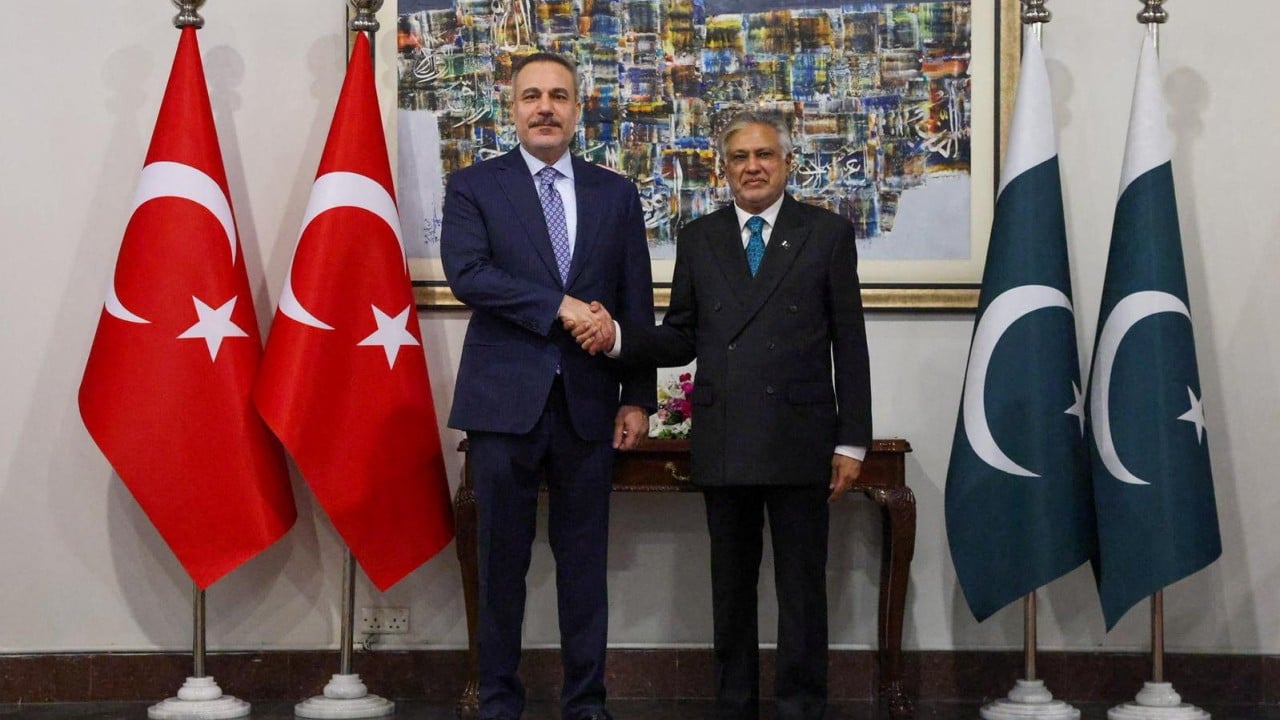
This rhetoric comes exactly at the moment regional powers are meeting in Islamabad, Pakistan, to try and stop the bleeding. While the U.S. and Israel aren't in the room, foreign ministers from Saudi Arabia, Egypt, and Turkey are huddled with Pakistani officials. They're trying to broker a ceasefire that feels further away with every passing hour.
The ground war rumor mill is spinning fast
Is the U.S. actually going in? That's the billion-dollar question. Pentagon officials have been tight-lipped, but leaked reports suggest they're preparing for "weeks-long" ground operations. This wouldn't be a full-scale 2003-style invasion of Iraq, but rather targeted raids by Special Operations and conventional infantry to dismantle what’s left of Iran's military infrastructure.
Secretary of State Marco Rubio tried to play it cool on Friday, claiming the U.S. can meet its goals without a ground invasion. But then he added that the military is moving forces into place to give the administration "maximum flexibility." In the world of diplomacy, that’s code for "all options are on the table." Iran sees the troop buildup and the arrival of the 82nd Airborne as a clear signal that the air campaign is about to evolve into something much more intimate and deadly.
Pakistan as the unlikely peacemaker
It’s weird to see Pakistan leading the charge for peace, but here we are. Usually, Oman or Qatar handles this, but since they've been under Iranian fire recently, Islamabad has stepped up. They have a 900-kilometer border with Iran and a massive Shia population, so if Iran collapses into a total failed state, Pakistan is the one that deals with the refugee crisis and the spillover violence.
The quadrilateral meeting in Islamabad—Pakistan, Saudi Arabia, Egypt, and Turkey—is an attempt to create a "Muslim bloc" that can pressure both sides. They’re essentially trying to build a bridge for the U.S. and Iran to talk without actually looking at each other.
- Saudi Arabia: They've been hit by Iranian missiles and want guarantees this won't happen again.
- Turkey: They want the Strait of Hormuz reopened because the energy price spike is killing their economy.
- Egypt: They're terrified of a total regional meltdown that shuts down the Suez Canal permanently.
The Strait of Hormuz is the world's choke point
While the diplomats talk, Iran is using the Strait of Hormuz as a leash. Late Saturday, they agreed to let 20 more Pakistani-flagged ships pass through. It’s a strategic move. By letting a few ships through, they show they’re still "open for business" with their neighbors, but by keeping the rest of the world’s tankers out, they keep the global economy in a chokehold.
Currently, two ships are allowed to transit daily. It’s a trickle. The U.S. has offered a 15-point "action list" to reopen the waterway, but Iran rejected it. They want a five-point deal of their own that includes reparations and a total halt to the killing of Iranian officials. Honestly, neither side is close to a compromise.
A new and dangerous target: Universities
In one of the more bizarre and dark turns of the weekend, the Revolutionary Guard issued a statement saying they would consider American and Israeli universities in the region "legitimate targets." They’re claiming Israel hit Iranian research centers first.
The Guard gave the U.S. until Monday, March 30, at noon to officially condemn the strikes on Iranian schools. If not, they’ve hinted that campuses like NYU in Abu Dhabi or Texas A&M in Qatar could be next. This isn't just about military sites anymore; it's a move to make every Westerner in the Middle East feel like a target.
What you should actually watch for
Ignore the high-level "peace talks" for a second and look at the logistics. If you want to know if a ground war is starting, watch the deployment of the Patriot missile systems. CENTCOM is currently building the most expansive air defense network the Middle East has ever seen. You don't build that kind of shield unless you're planning on staying a while and expect a lot of incoming fire.
The Islamabad talks might yield a temporary pause, but the gap between "Tehran’s five points" and "Washington’s 15 points" is a canyon.
Keep an eye on the March 30 deadline regarding the universities. If that passes without a U.S. statement and Iran doesn't strike, their rhetoric might finally be losing its teeth. But if they do hit a civilian target like a campus, any hope of a diplomatic solution in Pakistan is dead on arrival.