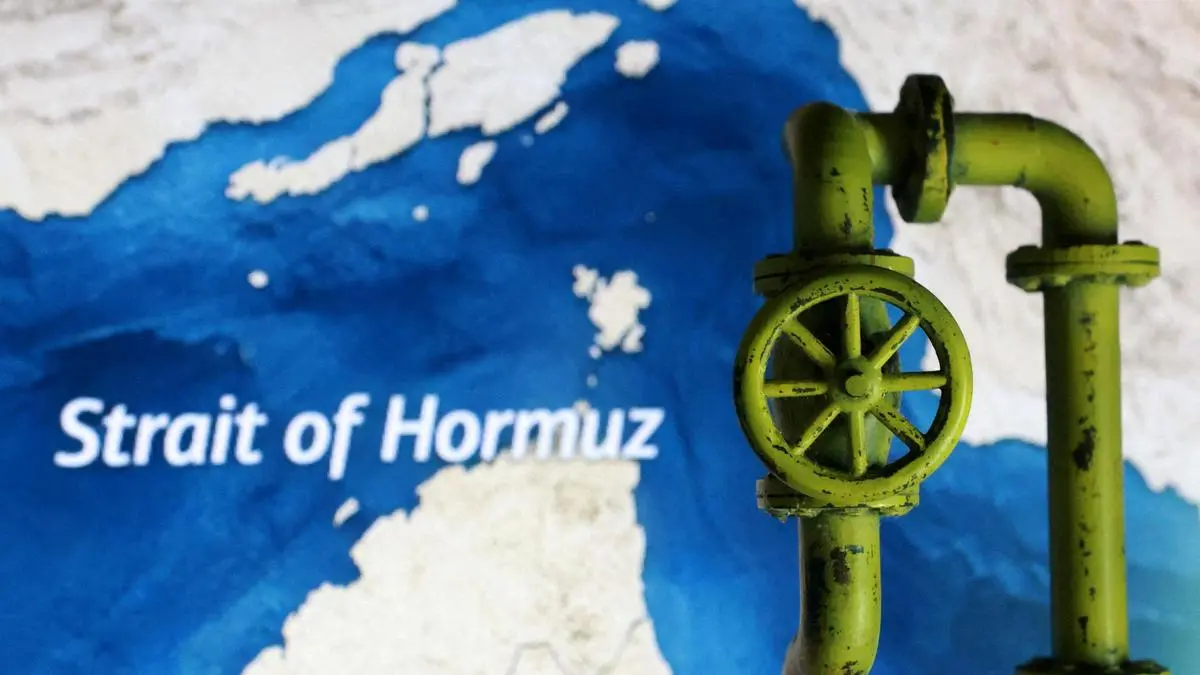
The Strait of Hormuz is easily the most stressed waterway on the planet. It’s a narrow choke point where global energy markets and regional security collide every single day. Recent reports from the Tasnim news agency indicate that Iran is now making a specific effort to prioritize the passage of vessels carrying essential goods through this corridor. This isn't just about moving cargo. It's a calculated move to stabilize domestic markets while navigating a minefield of international sanctions and regional tensions.
When you look at the map, you see a tiny strip of water that handles roughly a fifth of the world's liquid petroleum. But for the people living in the region, it’s also the primary artery for food, medicine, and basic raw materials. Iran’s decision to streamline the entry of these ships into its ports suggests a shift in how they manage the logistics of survival. They're trying to cut the red tape before the inflation hits the dinner table.
Breaking the bottleneck for food and medicine
The logistical reality in Iranian ports has been a nightmare for years. Sanctions don't just stop trade; they make the trade that is allowed incredibly slow and expensive. Ships often sit at anchor for weeks, sometimes months, waiting for currency transfers to clear or for paperwork to be verified by international banks. By the time a grain ship actually unloads, the cost of that grain has spiked because of demurrage fees—the penalties paid for holding a ship in port too long.
Iran’s latest directive aims to give these specific "essential" ships—mostly those carrying wheat, corn, soy, and medical supplies—a fast track. They’re basically creating a HOV lane in a sea of traffic jams. According to Tasnim, the goal is to ensure that basic necessities reach the mainland without getting caught in the usual bureaucratic or security-related dragnet that defines the Strait. It’s a pragmatic admission that while oil brings in the money, food keeps the peace.
The Strait of Hormuz is more than a military zone
We often hear about the Strait of Hormuz in the context of naval drills or seized tankers. That’s the version that makes the evening news. But the ground reality for a shipping captain is much more tedious. You’ve got the IRGC Navy monitoring traffic, international task forces patrolling nearby, and a constant stream of "Notice to Mariners" that can change the route in an instant.
Prioritizing essential goods means Iran is signaling to the world—and its own people—that it can still manage its maritime sovereignity effectively. If they can't keep the flow of rice and cooking oil steady, the internal pressure becomes far more dangerous than any external threat. This isn't just about "allowing" ships through; it’s about actively managing the chaos of the Hormuz corridor to prevent a domestic supply chain collapse.
It’s worth noting that the "essential goods" tag is a bit of a shield. Under international law and even under most sanctions regimes, humanitarian goods are technically exempt. By focusing on these, Iran creates a diplomatic space where it can operate with less friction. They’re daring anyone to interfere with a ship full of baby formula or wheat, knowing that the optical cost of blocking such a vessel is too high for their rivals.
Why the timing of this announcement matters
The timing isn't an accident. Global supply chains are still reeling from various regional conflicts, and insurance premiums for ships entering the Persian Gulf are through the roof. When a shipping company sees that a country is prioritizing specific cargo, it lowers the perceived risk for that specific trip. It tells the ship owners, "You won't be sitting idle for sixty days while your cargo rots."
Iran is also dealing with significant currency volatility. When the rial drops, the price of imported bread and meat goes up instantly. By speeding up the transit from the Strait to the docks at Bandar Abbas or Imam Khomeini port, the government can get goods into the hands of distributors faster. It’s a race against the clock. They want the goods on the shelves before the next round of currency devaluation makes them unaffordable for the average family in Tehran or Isfahan.
The struggle for maritime liquidity
The biggest hurdle isn't the physical passage through the water. It’s the money. Most people think "allowing ships in" is about the Navy letting them pass. It’s actually about the Central Bank. For an essential goods vessel to dock and unload, the Iranian importer has to prove they have the foreign currency to pay the exporter.
Because of the sanctions on the banking sector, this process is a mess. It involves intermediary banks in third countries, complicated barter deals, or the use of specific "humanitarian channels" that are often clogged. The reported push to prioritize these vessels likely includes a directive to the Iranian customs and the Central Bank to move these files to the top of the pile.
What counts as an essential good
It’s not just bread. The list is specific and reflects the vulnerabilities of the Iranian economy:
- Oilseeds and cooking oil: Iran imports a huge percentage of its edible oil.
- Animal feed: Without corn and soy imports, the price of chicken and beef in Iran would triple overnight.
- Pharmaceuticals: Specifically specialized drugs for cancer and rare diseases that aren't produced locally.
- Heavy machinery parts: Specifically for the agricultural sector to ensure the local harvest doesn't fail.
Navigating the shadow of sanctions
The international community watches these developments closely. Organizations like the International Maritime Organization (IMO) and various shipping registries have to keep track of how Iran manages its waters. When Iran says it’s facilitating the flow of essential goods, it’s a bid for legitimacy. It’s a way of saying they are a responsible steward of one of the world's most critical transit points.
However, there’s always a layer of skepticism. Critics often argue that "essential goods" can be a catch-all term used to mask other types of trade. But for the shipping companies, the distinction is usually clear. They know exactly what's in their hulls. If Iran can actually make the process faster, the ships will keep coming. If it’s just talk, the insurance rates will continue to climb, and the ships will stay away.
The reality for crews in the Gulf
Being a sailor on a ship heading toward the Strait of Hormuz is nerve-wracking. You’re sailing into a zone where the political temperature can boil over at any second. If Iran successfully implements a fast-track system for essential goods, it actually makes the job of these crews slightly safer. Less time spent sitting at anchor means less time being a "sitting duck" for potential incidents.
Most of these vessels are not Iranian-flagged. They are often flying flags of convenience from places like Panama, Liberia, or the Marshall Islands. These ships represent global interests. By easing their path, Iran is reducing the friction with the global maritime community. It’s a rare moment where Iranian domestic needs align perfectly with international maritime safety goals.
What happens next for shipping in the region
If you're tracking this, don't just look at the news headlines. Watch the "Days in Port" data for Iranian terminals. That’s the real metric. If the average wait time for a bulk carrier at Bandar Abbas drops from 40 days to 10, then the Tasnim report is more than just propaganda. It’s a functional change in Iranian maritime policy.
You should also keep an eye on the dry bulk freight rates for the Persian Gulf. If they stabilize, it means the market believes Iran’s promise to keep the essentials moving. For the average observer, this might seem like a dry story about shipping manifests. For the global economy, it’s a signal of how one of the world’s most isolated nations is trying to keep its head above water.
Don't expect the tensions in the Strait to vanish. That’s not happening anytime soon. But do expect a more focused, almost surgical approach to how cargo is handled. Iran knows it can't fight everyone at once, and it certainly can't fight a hungry population. Prioritizing these vessels is the only move they have left to keep the internal gears turning.
If you are involved in regional trade or logistics, now is the time to re-verify your compliance documentation. Ensure that every "essential" label on your cargo is backed by bulletproof paperwork. The Iranian authorities are looking for reasons to move your ship faster, but they won't risk a scandal that gives their rivals ammunition. Get your certifications in order, ensure your bank is using the approved humanitarian channels, and prepare for a slightly faster, albeit still tense, transit through the world's most famous choke point.