The American farmer is currently caught in a vice between geopolitical theater and the harsh mathematics of global trade. For years, the narrative from the West Wing has focused on "winning" trade wars through aggressive tariff structures, followed by massive taxpayer-funded relief packages to quiet the resulting outcry in the Heartland. But a closer look at the data and the recent gathering of agricultural leaders at the White House reveals a much more jagged reality. The relief being touted is not a sign of a recovering market. It is a temporary bandage on a self-inflicted wound that is fundamentally changing the DNA of American farming.
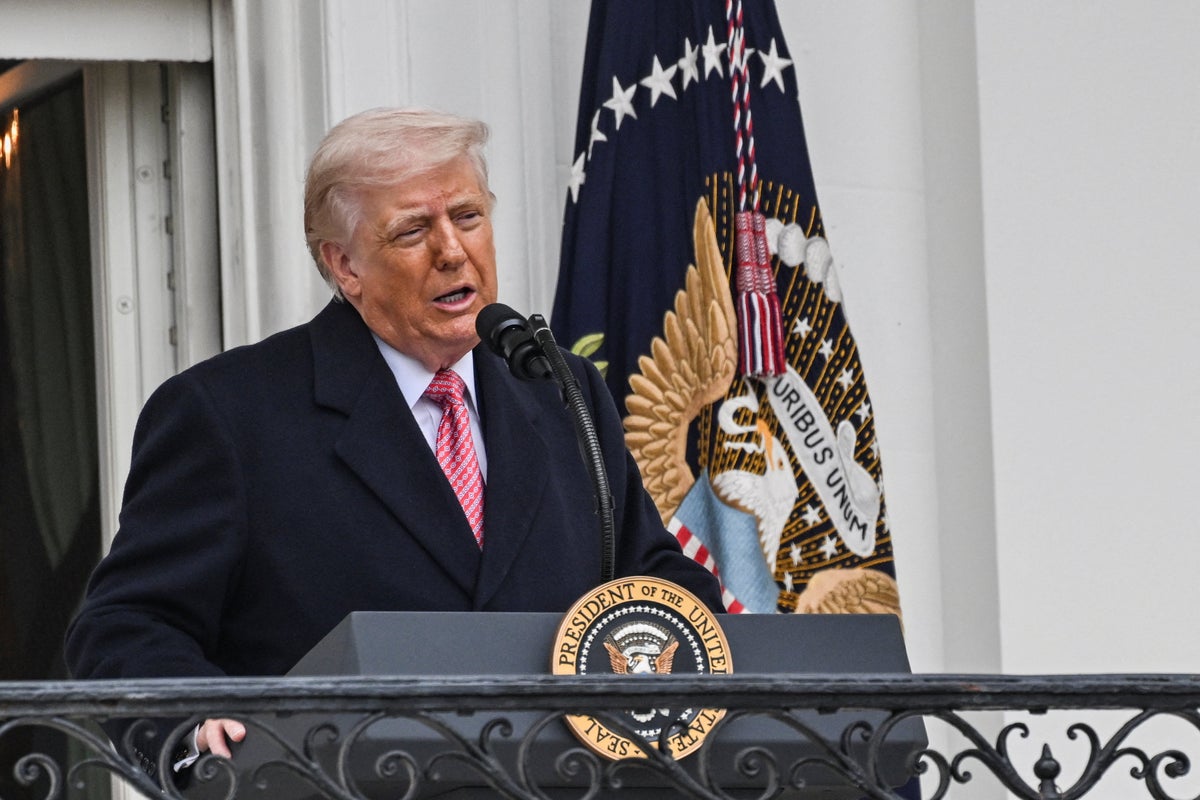
When the administration invites a group of hand-picked farmers to the Oval Office, the optics are clear. They want to show a united front against foreign adversaries. However, the underlying mechanics of these "relief" payments—often funneled through the Market Facilitation Program (MFP)—tell a story of market distortion. Instead of selling soybeans to China or corn to Mexico based on quality and price, farmers are increasingly reliant on the Department of Agriculture’s checkbook. This shifts the farmer’s primary customer from the global consumer to the federal bureaucrat.
The Mathematics of Pain
The trade war with China did not just "disrupt" markets. It rerouted them. When the U.S. imposed tariffs on steel and aluminum, and later on billions of dollars of Chinese goods, the retaliation was swift and surgical. China targeted the American Midwest. This wasn't an accident. They knew exactly where the political pressure points were located.
Soybean exports to China plummeted from billions of dollars annually to near zero during the peak of the friction. While the administration points to the subsequent "Phase One" trade deal as a victory, the numbers often fail to meet the initial hype. More importantly, the gap left by American farmers was quickly filled by Brazil and Argentina. These competitors didn't just step in for a season; they invested in infrastructure, expanded acreage, and built long-term relationships that don't vanish just because a memo is signed in Washington. Once a supply chain shifts, it rarely returns to its original shape.
Political Theater as a Distraction
During these White House briefings, the rhetoric often veers away from crop yields and into the territory of cultural grievances. By attacking specific immigrant groups or leaning into nativist tropes, the executive branch attempts to build a "us vs. them" mentality that masks the economic erosion. It is a classic sleight of hand. If the conversation stays focused on social friction, people might stop asking why the net farm income is increasingly composed of direct government payments rather than market sales.
In many counties across the Corn Belt, government payments accounted for nearly 40% of net farm income during the height of the trade skirmishes. This is a staggering level of dependence. It undermines the "rugged individualist" ethos that has defined American agriculture for two centuries. When a farmer spends more time filling out federal aid paperwork than analyzing international futures, the industry loses its competitive edge.
The Erosion of Sovereignty
The long-term danger isn't just a bad fiscal year. It is the loss of market sovereignty. For decades, the U.S. led the world in agricultural innovation and trade liberalization. By retreating into a cycle of protectionism followed by subsidies, the U.S. is signaling to the world that it is no longer a reliable partner.
Consider the "Basis" price in local elevators. Even when federal checks arrive, they don't always cover the loss in the local cash price caused by an oversupply of grain that has nowhere to go. Storage bins are overflowing. When grain sits in a bin because a trade route is closed, it loses value. It rots. It incurs interest costs. The "relief" packages rarely account for the logistical nightmare of a stopped-up global pipeline.
Rhetoric vs. Reality on the Ground
The administration’s tendency to bash specific groups, such as the Somali community in the Midwest, serves a dual purpose. First, it plays to a base that feels economically insecure. Second, it creates a convenient scapegoat for the local anxieties that are actually being driven by global economic shifts.
The Somali-American community in places like Minnesota or Iowa is often deeply integrated into the labor force of the very meat-packing plants and processing facilities that keep the agricultural economy humming. Attacking these communities is not just a moral issue; it is an economic absurdity. You cannot claim to support the "American Farmer" while simultaneously vilifying the labor force and the diverse communities that sustain the rural economy's infrastructure.
The Permanent Subsidy Trap
We are witnessing the birth of a permanent subsidy class in American agriculture. Once these payment structures are in place, they are incredibly difficult to remove. They become "capitalized" into the value of the land. Landowners raise rents because they know the tenant is receiving a federal check. This makes it harder for young farmers to enter the business. It consolidates power in the hands of large-scale operations that have the legal teams to maximize their take from federal programs.
This isn't "winning." It's a managed decline. The real strength of the American farmer has always been the ability to out-compete anyone on a level playing field. By tilting the field and then offering a crutch, the government is weakening the muscles of the entire industry.
The Future of the Heartland
If the current trajectory continues, the American farm belt will look less like a global powerhouse and more like a protected, subsidized utility. The innovation that drove the Green Revolution will be replaced by a cautious, defensive posture focused on maintaining federal favor.
The gathering at the White House wasn't a celebration of a healthy industry. It was a photo op for a hostage situation. The farmers are the hostages, the trade war is the captor, and the federal subsidies are the meager rations provided to keep the situation from boiling over. True relief wouldn't come from a check signed by the Treasury; it would come from a stable, predictable trade policy that allows farmers to do what they do best: feed the world without being used as pawns in a political game.
The next time you see a televised event where a politician claims to be saving the farmer, look at the trade balance data. Look at the increase in debt-to-asset ratios. Look at the suicide rates in rural counties. The "pain" hasn't been unleashed; it has been institutionalized.
Ask your local representative for a breakdown of how much of your district's agricultural income now comes from the taxpayer versus the global market.