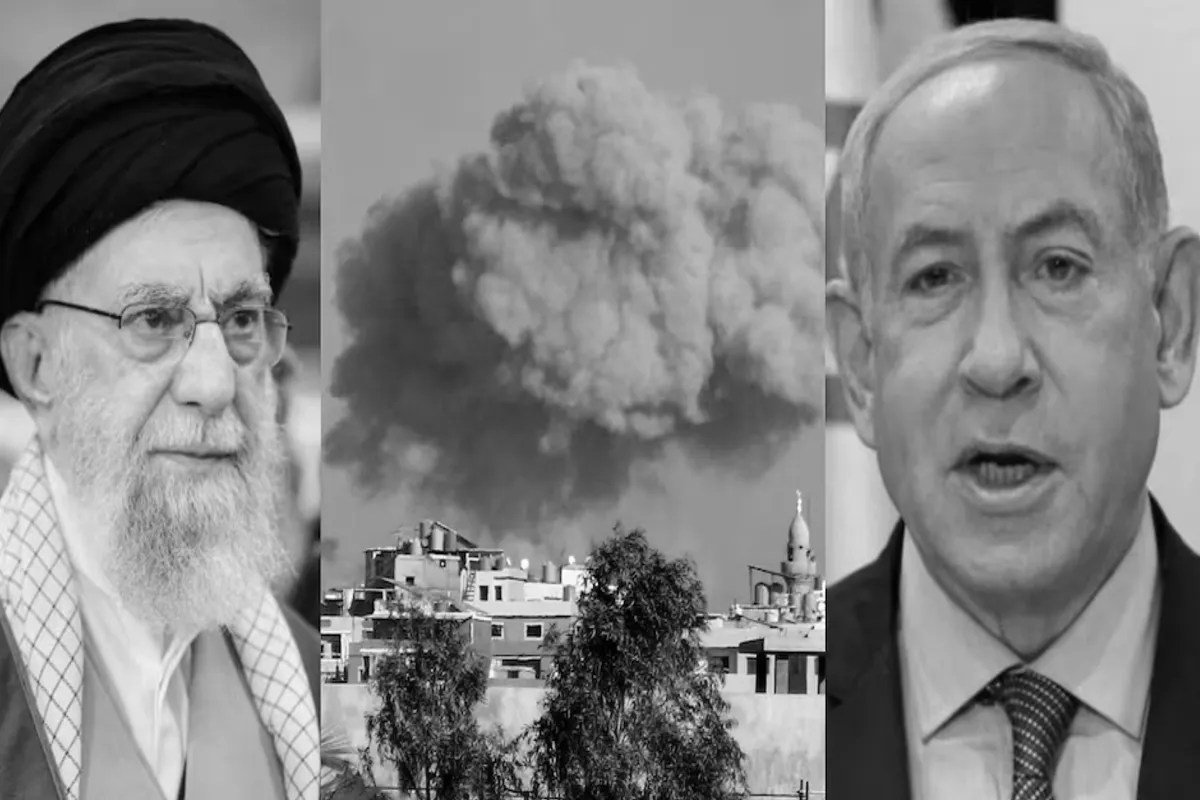
The myth of the Gulf’s "impenetrable shield" evaporated at 11:39 local time on February 28. For years, the narrative sold to global investors and local residents was one of high-tech insulation—that no matter how hot the rhetoric between Washington and Tehran became, the sophisticated batteries of Patriot and THAAD systems would keep the chaos at a distance. That illusion died when sixty-five ballistic missiles and a swarm of drones crossed into Qatari airspace, turning the skies over Doha into a kinetic laboratory of falling shrapnel and toxic propellant.
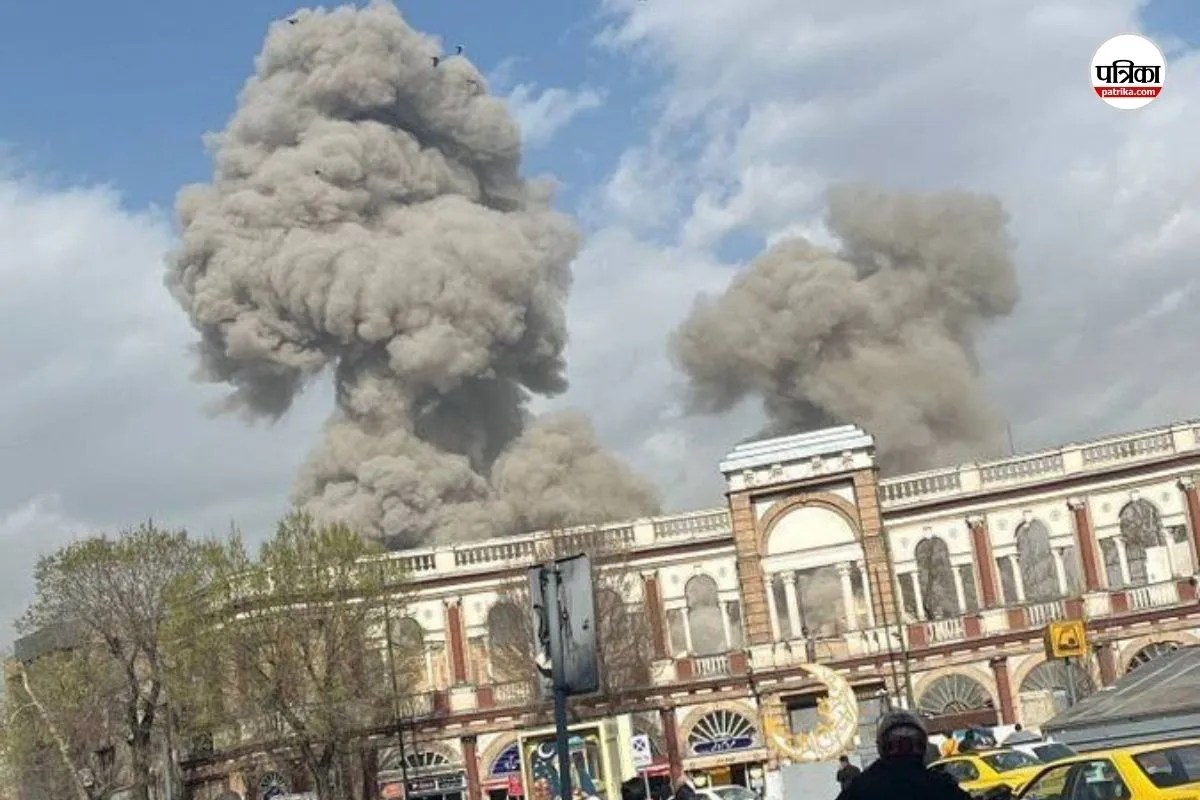
While the official line from the Qatari Ministry of Defense emphasizes a "successful" interception of 63 missiles, the reality on the ground tells a more jagged story. Debris did not just fall; it rained. At least 114 separate reports of wreckage were logged across the country. Sixteen people were injured, one critically. More importantly, two missiles and a drone punched through the most heavily defended airspace in the Middle East to strike the Al Udeid Air Base and a critical early warning radar.
This was not a failure of technology. It was a mathematical reality of saturation. When a multi-directional barrage of that scale is launched, the "interception" itself becomes a secondary threat.
The Physics of a Falling Threat
Most reporting on missile defense treats an "interception" as a disappearance. It is not. When a Qatari fighter jet or a ground-based battery neutralizes an incoming Iranian Fateh-110, the laws of physics do not grant the missile a clean exit from reality. The kinetic energy must go somewhere.
In the Doha incidents, eyewitness footage captured the terrifying aftermath of these mid-air collisions. Large sections of airframes, still laden with unspent fuel, plummeted into urban corridors. This is the "dirty secret" of modern missile defense in densely populated areas. You can stop the warhead from detonating on its target, but you cannot stop 500 kilograms of twisted metal and volatile chemicals from falling at terminal velocity onto a residential street.
The Saturation Strategy
Iran’s choice of a "multi-directional" attack was a deliberate attempt to overwhelm the logic of the Aegis and Patriot systems. By launching drones alongside ballistic missiles, Tehran forced the defense systems to prioritize targets in milliseconds.
- The Drone Decoy: Low-cost UAVs were used to occupy radar "attention," forcing the defense grid to cycle through engagement protocols.
- The Ballistic Punch: High-speed missiles followed, timed to arrive as the systems were reloading or re-tasking.
- The Gap: This is likely how the two missiles reached Al Udeid. Even the best systems have a "leakage rate" when the number of incoming threats exceeds the number of ready-to-fire interceptors.
The Sovereignty Paradox
The diplomatic fallout is perhaps more toxic than the missile fuel. For months, Qatar, along with its neighbors, had been playing a high-stakes game of neutrality. They explicitly told Washington they would not allow their bases to be used for offensive strikes against Iran. They positioned themselves as the region’s indispensable mediators.
That neutrality did not save them.
Iran’s decision to target Al Udeid—the largest U.S. military installation in the Middle East—effectively treated Qatari soil as a combat zone regardless of Doha's protests. This marks a fundamental shift in the regional security calculus. If being a "good neighbor" and a "mediator" provides no protection from retaliatory strikes, the incentive for Gulf states to remain neutral vanishes.
The Qatari Foreign Ministry called the attack a "flagrant violation of national sovereignty." It is a strong phrase, but it rings hollow when your territory is the primary parking lot for the very military force your neighbor is trying to destroy. Qatar is discovering that you cannot host the hunter and then complain when the prey bites back.
The Economic Aftermath
The damage to Al Udeid is a military concern, but the damage to the "Qatar Brand" is a fiscal one. The stability of the Gulf is the bedrock of its economy. When 114 pieces of missile debris land in a country the size of Connecticut, the image of a safe-haven for global capital begins to crack.
We saw immediate ripples. Flight operations at Hamad International Airport were suspended. Standardized exams were postponed. These are the "soft" costs of a missile war. If the "Roaring Lion" and "Epic Fury" operations continue to draw fire toward the Gulf, the transit and tourism hubs of Doha and Dubai will face a crisis of confidence that no air defense system can shoot down.
A System Under Pressure
The Qatari military performed with remarkable technical proficiency under unprecedented stress. Intercepting 63 out of 65 ballistic missiles is a feat that few militaries on earth could replicate. However, "97% success" feels very different when the remaining 3% is hitting a strategic radar or an airbase runway.
The technical teams now face the grim task of "assessment and precautionary monitoring." They aren't just looking for craters; they are looking for the environmental impact of hypergolic fuels and the psychological impact on a population that, until yesterday, believed the war was something that happened to other people.
The reality of 2026 is that there are no spectators in a missile war. Distance is an obsolete concept when the debris of a conflict 500 miles away is landing in your backyard.
Would you like me to analyze the specific technical specifications of the Iranian missiles used in this barrage to understand why they were so difficult to intercept?