The sirens in Tel Aviv aren't just a warning anymore. They're the soundtrack of a shifted reality. For decades, we talked about a "shadow war" between Israel and Iran, a game of chess played with proxies and cyberattacks. That's over. We’re now looking at a direct, high-stakes confrontation that involves the US military and has the potential to trigger a global economic meltdown. If you think this is just another flare-up in a restive region, you’re missing the bigger picture.
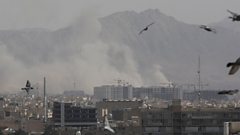
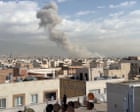
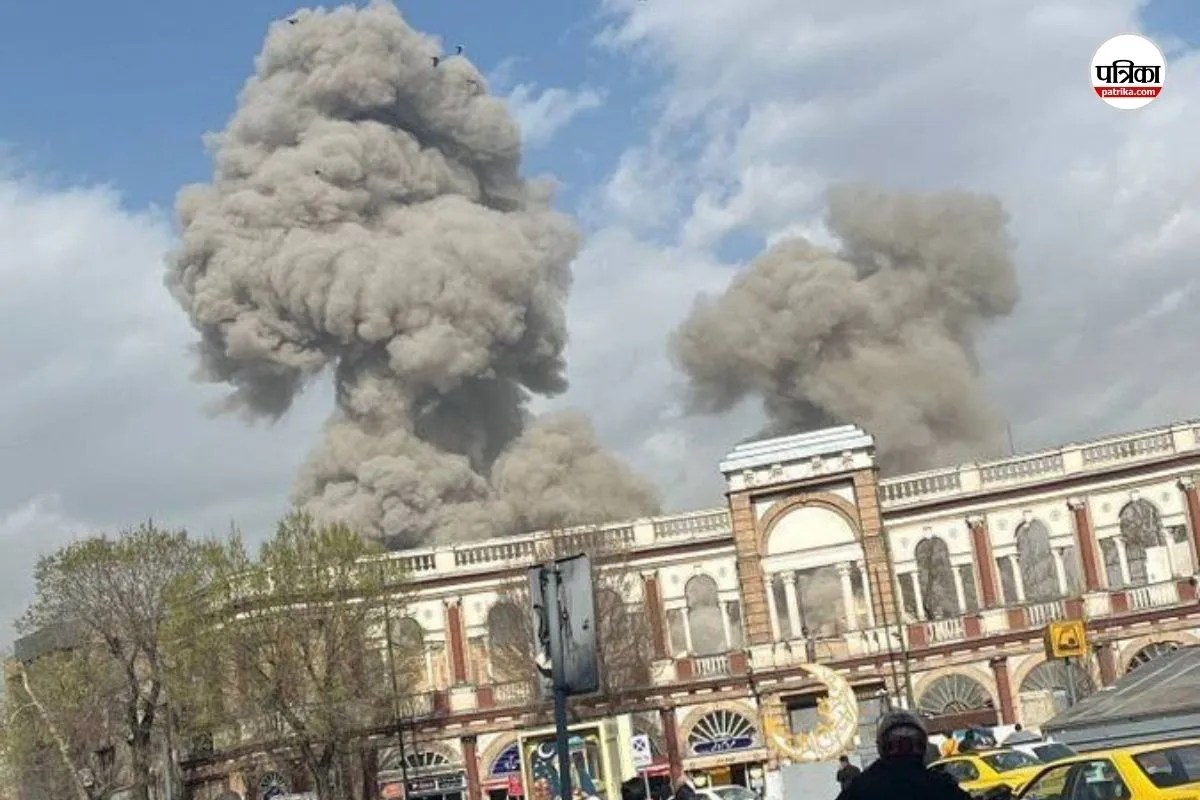
The Middle East is currently a tinderbox where the sparks aren't just flying—they're landing on oil fields and international shipping lanes. When news broke about explosions echoing through the Persian Gulf and across the borders of Gulf nations, it marked a point of no return. This isn't just about local grievances. It's about who controls the energy flow of the planet and whether the US can still project power in a multipolar world.
The Escalation No One Could Stop
The transition from proxy skirmishes to direct ballistic missile exchanges changed the math for every general in the Pentagon. It's no longer about whether Iran will use Hezbollah or the Houthis to do its dirty work. Iran has shown it's willing to launch from its own soil. Israel has shown it will strike back with surgical, devastating precision.
The US finds itself in a spot it tried to avoid for years. Despite the talk of "pivoting to Asia," the Middle East has a way of dragging the superpower back into the sand. US naval assets in the Red Sea and the Mediterranean aren't just there for show. They’re actively intercepting drones and missiles. This is a hot war. It involves American sailors and airmen. It’s expensive, it’s dangerous, and there's no clear exit strategy.
Gulf countries like Saudi Arabia and the UAE are caught in an impossible squeeze. On one hand, they want the security umbrella the US provides. On the other, they share a fence with Iran. They’ve heard the explosions. They know that if this turns into a total regional conflagration, their multi-billion dollar "vision" projects and glass skyscrapers are at risk. They're playing a frantic game of diplomacy behind the scenes, trying to keep the sky from falling while preparing for the worst.
Trump and the Looming Address to the Nation
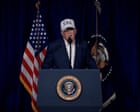
Speculation is reaching a fever pitch regarding a potential address by Donald Trump. In a time of extreme volatility, a message from the former President—and current political heavyweight—carries immense weight. The rumors aren't just about politics. They’re about a specific brand of "maximum pressure" rhetoric that defined his previous term.
If he speaks, he’ll likely lean into the "peace through strength" narrative. He’s been vocal about how his administration kept Iran in check through the Abraham Accords and the killing of Qasem Soleimani. A public address now would be a signal to the world that the US stance might get a lot more aggressive. It puts the current administration on its heels and forces every world leader to recalibrate their expectations for 2026 and beyond.
People are looking for a leader who can project a sense of control. Whether you agree with his tactics or not, Trump’s potential involvement changes the atmospheric pressure of the conflict. It suggests that the diplomatic guardrails are being dismantled in favor of something more blunt.
The Energy Crisis Is Already Here
Stop looking at the stock market for a second and look at the Strait of Hormuz. Roughly 20% of the world’s oil passes through that narrow waterway. Iran has threatened to shut it down more times than I can count, but now they actually have the missile density to try it.
If the US-Israel-Iran war shuts down that corridor, the price of crude doesn't just go up. It teleports. We’re talking about a shock to the global supply chain that makes the 1970s look like a minor inconvenience.
- Shipping Insurance: Costs for tankers are skyrocketing. Some companies won't even send ships into the Gulf anymore.
- Refining Capacity: If Gulf refineries are hit, it doesn't matter how much crude is in the ground.
- Global Inflation: High energy prices act as a tax on everything. Your groceries, your commute, your electronics—everything gets pricier.
This isn't theory. This is the reality of a Middle East where the rules of engagement have been shredded. We’re seeing a reconfiguration of global trade routes in real-time. Countries are desperately looking for alternatives, but there aren't many that can replace the sheer volume of the Gulf.
Why the Old Diplomacy Failed
For years, the West tried to "manage" Iran. The JCPOA (the Iran nuclear deal) was the centerpiece of that effort. It’s dead. It’s been dead for a while, but now the carcass is being burned. The idea was that economic integration and monitored limits would lead to a more stable region. Instead, the vacuum left by the deal’s collapse was filled by drone factories and advanced centrifuges.
The current conflict proves that you can't contain a revolutionary power with just sanctions. Iran has built a "Ring of Fire" around Israel. They’ve spent decades and billions of dollars ensuring that if they get hit, everyone around them feels the pain.
Israel’s intelligence community, usually the gold standard, is facing a nightmare scenario. They’re fighting on seven fronts simultaneously. Gaza, the West Bank, Lebanon, Syria, Iraq, Yemen, and Iran itself. It’s an unsustainable drain on resources and manpower. The Israeli public is exhausted, but they also feel there's no choice. To them, this is existential. There’s no room for "nuance" when missiles are hitting your suburbs.
What You Should Watch Closely
Don't get distracted by every single headline. Most of it is noise. If you want to know where this is going, watch these three things:
1. The Red Line on Nuclear Enrichment
Iran is closer to a weapon than ever. If Israeli intelligence confirms that the "breakout time" has dropped to zero, expect an immediate, massive kinetic strike on Natanz or Fordow. This would be the trigger for a total war.
2. US Troop Movements in Iraq and Syria
Watch the bases. If the US starts pulling families out of the region or surging Patriot missile batteries to minor outposts, they’re expecting a massive retaliatory wave. These bases are the "tripwire" that could bring the US fully into the fight.
3. Internal Iranian Stability
The regime in Tehran is tough, but it’s not loved. If the war starts to crush the domestic economy even further, look for signs of civil unrest. A regime fighting for its life at home is often more dangerous and unpredictable abroad.
The situation is fluid. One miscalculation by a drone operator or a mid-level commander could turn a "limited strike" into a global catastrophe. We're past the point of easy fixes. The Middle East is being forged in fire, and the resulting map will look nothing like the one we’ve known for the last fifty years.
Prepare for higher prices at the pump and a lot more volatility in the news cycle. The era of the "forever war" just entered its most dangerous chapter yet. Keep an eye on the official channels for any scheduled addresses from Washington; the rhetoric in the coming days will set the stage for the rest of the year. Stay informed, diversify your assets if you can, and realize that the geopolitical floor has just dropped out.