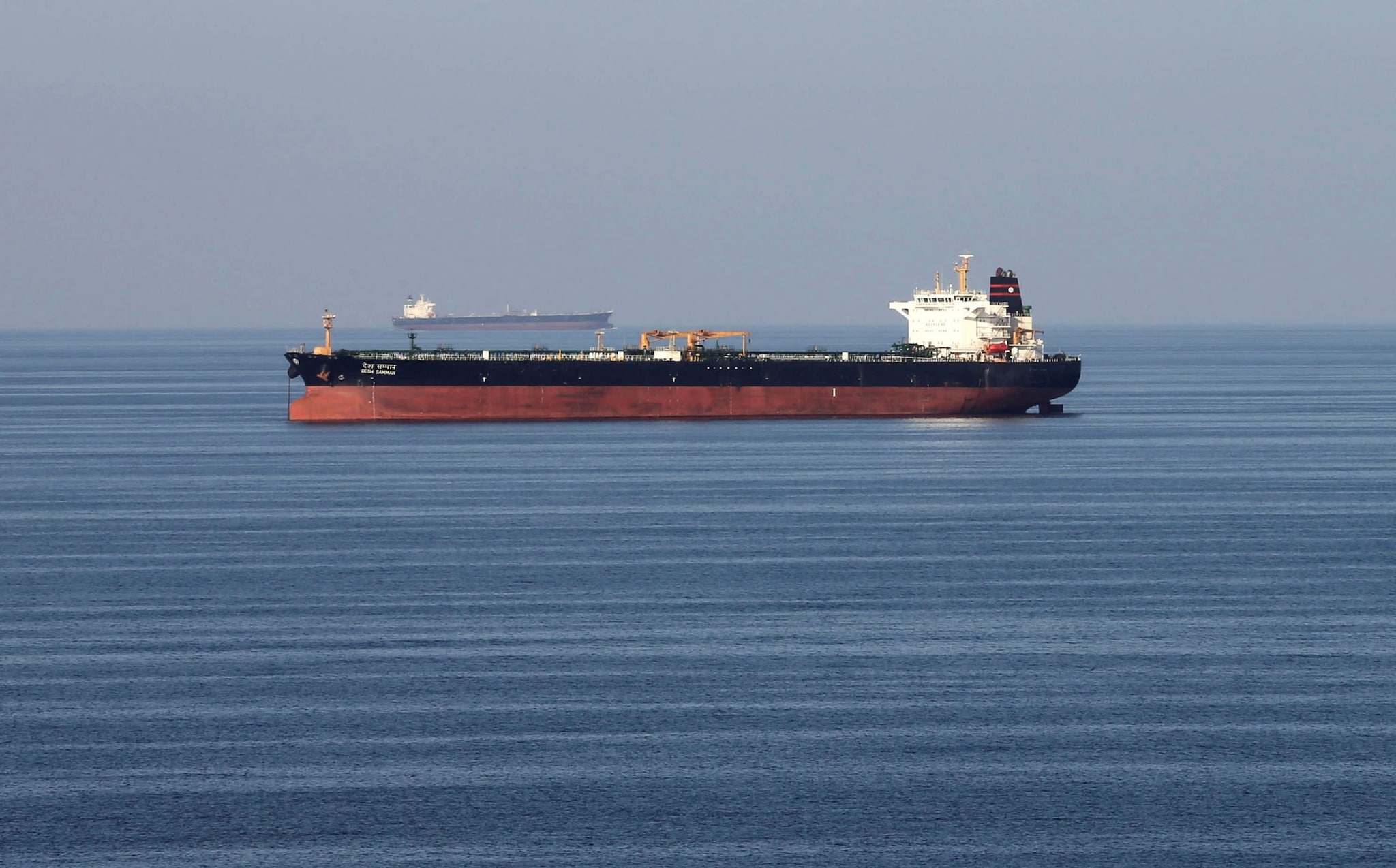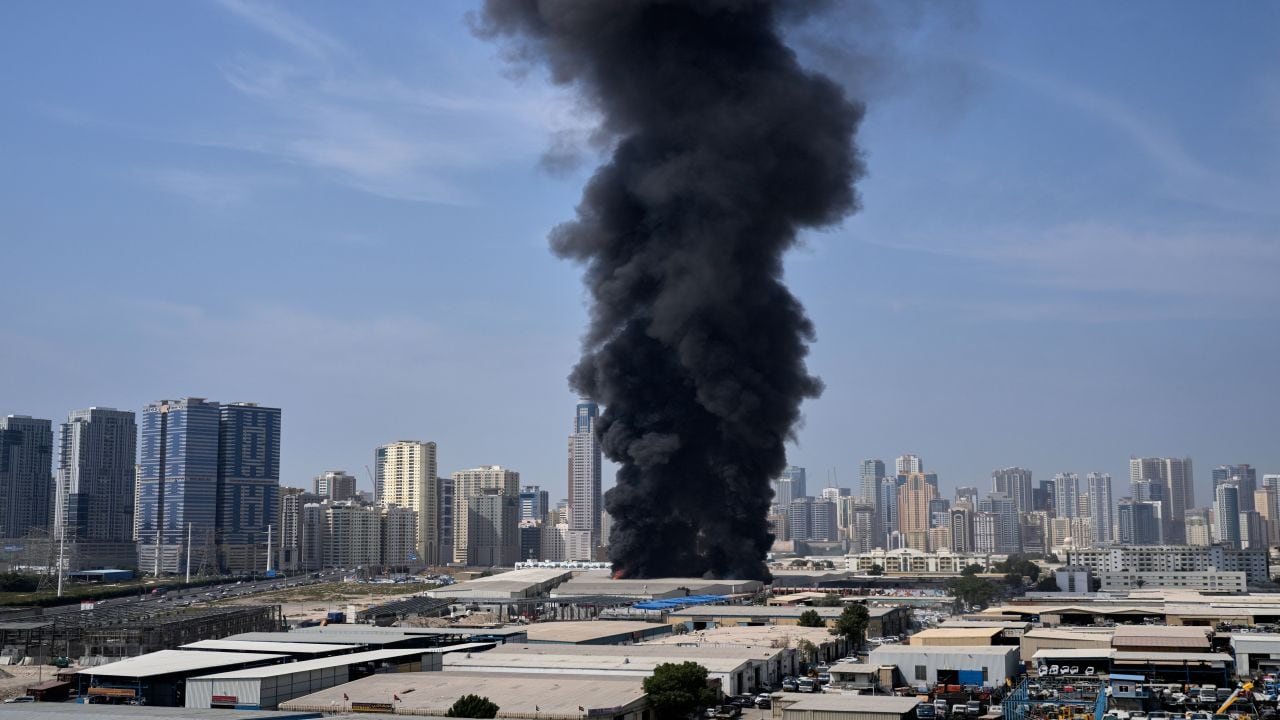
The chattering classes are terrified. Every time a drone flies over the Strait of Hormuz or a tanker is rerouted around the Cape of Good Hope, the headlines scream about India’s "fragile" energy security and the "imminent collapse" of its Middle Eastern trade ambitions. They point to the India-Middle East-Europe Economic Corridor (IMEC) as a pipe dream deferred by regional instability.
They are looking at the chessboard upside down.
What the consensus calls "vulnerability" is actually the most sophisticated display of strategic autonomy in the 21st century. While the West demands clear-cut alliances and binary choices, New Delhi has spent the last decade building a web of dependencies that make it the only major power capable of talking to everyone while being beholden to no one.
The Oil Myth and the Strategic Reserve Reality
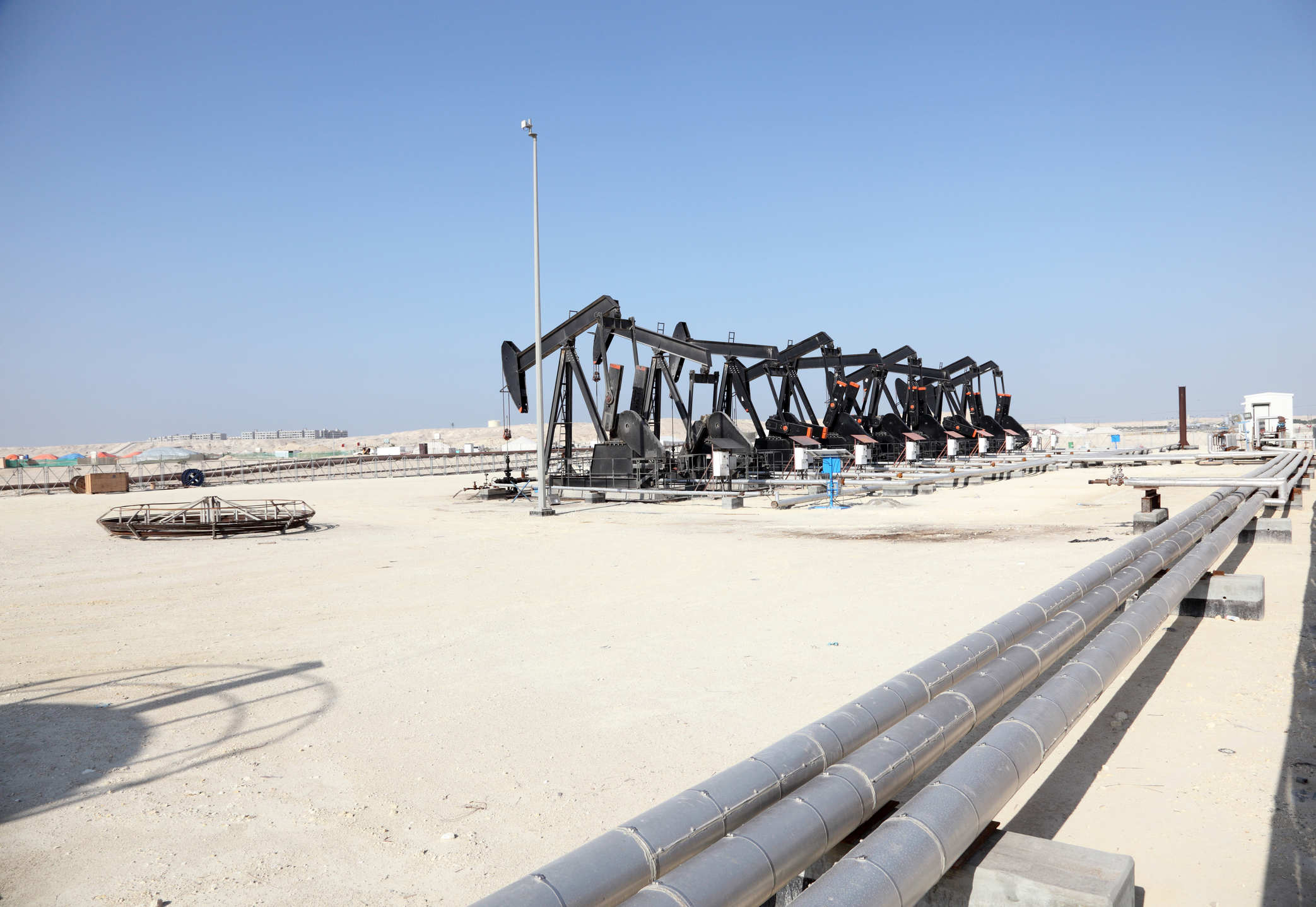
The most common "lazy" take is that India is a hostage to Middle Eastern crude. Critics cite the fact that India imports over 80% of its oil, implying a single spark in the Levant will dark out the lights in Mumbai.
This ignores the brutal efficiency of the market. India’s refinery complex—specifically the massive installations in Gujarat—is not a liability. It is a global pivot point. These refineries are designed with high complexity scores, meaning they can process the heavy, sour crudes that others reject.
When Russian barrels became toxic to European buyers, India didn’t just "buy cheap oil." It effectively re-engineered the global flow. By sucking up Urals crude, India prevented a global price spike that would have decimated the G7. New Delhi acted as the world’s unintended central bank for energy.
If the Middle East goes dark, India has already practiced the pivot. Its Strategic Petroleum Reserves (SPR) are not just buckets of oil; they are diplomatic leverage. India has successfully invited ADNOC (UAE) to store oil in Indian caverns. Think about that. A primary producer is paying to store its product in the consumer’s backyard. That isn't a vulnerability. That is a hostage situation in reverse.
IMEC Is Not a Train Track It Is a Geopolitical Wedge
Standard analysis says the IMEC is dead because you can't build a railway through a conflict zone. This assumes the goal of IMEC was actually to move containers by 2025.
The real value of the corridor is the formalization of the "I2U2" (India, Israel, UAE, USA) alignment. It creates a permanent economic incentive for Gulf monarchies to stay tethered to Indian growth rather than drifting entirely into Beijing’s "Belt and Road" orbit.
China’s BRI is a debt-trap model. India’s approach is a multi-modal integration. Even if a single rail line is never laid, the digital and energy cables planned for the same route are already being negotiated. Data is the new oil, and the undersea cable architecture connecting Mumbai to Marseille via Haifa is the real prize. Physical conflict on the surface is a temporary noise; the fiber optic reality beneath the waves is the structural signal.
The Remittance Paradox
Pundits love to fret over the 9 million Indians working in the Gulf. They call it a "humanitarian ticking time bomb." If war breaks out, they argue, India faces a mass evacuation crisis and the loss of $100 billion in remittances.
I’ve seen how these "crises" play out on the ground. During the 1990-91 Gulf War, India executed the largest civilian airlift in history. Since then, the capability has only scaled. But more importantly, the Gulf states need Indian labor more than India needs the remittances.
The "Giga-projects" of Saudi Arabia’s Vision 2030 and the UAE’s post-oil transition are physically impossible without Indian engineers, doctors, and laborers. If the Indian diaspora leaves, the Saudi economy stops. This creates a "Mutually Assured Destruction" of economies. Riyadh and Abu Dhabi protect Indian interests because their own survival depends on the continuity of that workforce.
The Defense Pivot Nobody Noticed
For decades, India was a buyer of Middle Eastern energy and a seller of labor. That dynamic has flipped. India is now moving toward being a provider of security technology.
The BrahMos missile systems and the Tejas fighter jets are being pitched to the region not just as hardware, but as an alternative to the heavy-handed oversight of American or Russian defense contracts. When India engages with Armenia or provides maritime security in the Red Sea, it is auditioning for the role of a regional stabilizer that doesn't bring the baggage of Western "values" or Chinese "debt."
The Indian Navy’s recent operations against piracy and drone attacks in the Arabian Sea weren't just "escort missions." They were a loud, clear statement: "We can secure the global commons without a US carrier group."
The Rupee’s Silent Invasion
While everyone is watching for missile strikes, they are missing the settlement of trade in Rupees. India and the UAE have already begun bypassing the Dollar for certain transactions.
This isn't about "de-dollarization" in a revolutionary sense—it’s about friction reduction. By creating a direct Rupee-Dirham payment link, India is insulating its small and medium enterprises (SMEs) from the volatility of US Federal Reserve policy. This creates a closed-loop economic system that is immune to the "vulnerabilities" the West likes to talk about.
Why the "Vulnerability" Argument Fails
The critics use a 20th-century lens. They think in terms of "spheres of influence" and "alliances." India thinks in terms of Strategic Multi-Alignment.
If you are "vulnerable" to everyone, you are actually vulnerable to no one. If Saudi Arabia, Iran, Israel, and the UAE all view India as their primary long-term growth market, they are all incentivized to keep India’s interests safe.
India is the only country that can:
- Buy discounted Russian oil.
- Refine it using American technology.
- Sell it to European markets.
- Settle the deal using UAE-based logistics.
- And have every party involved thank them for it.
The Middle East conflict doesn't reveal India’s weakness. It reveals the world’s desperation for a neutral, massive, and capable middle-man.
Stop looking for the "economic shock" that’s going to break India. Start looking at the ways New Delhi is pricing the risk of its neighbors into its own rise. The chaos in the Middle East isn't a wall for India; it's a series of doors.
While the "experts" wait for the smoke to clear, the real players are busy buying the smoke.
Go look at the trade volume data between Mumbai and Dubai over the last eighteen months of "instability." The numbers don't lie, even if the analysts do. The corridor isn't closed; it just changed its shape.
The real risk isn't that India is tied to the Middle East. The risk is that you still believe that's a bad thing.