The world’s most important oil chokepoint is on edge and Prime Minister Narendra Modi isn't sitting back. If you think a conflict in the Middle East only matters to the people living there, you're missing the bigger picture. When ships get attacked in the Strait of Hormuz, your petrol prices at the local pump in Delhi or Mumbai feel the heat within days. It’s that direct.
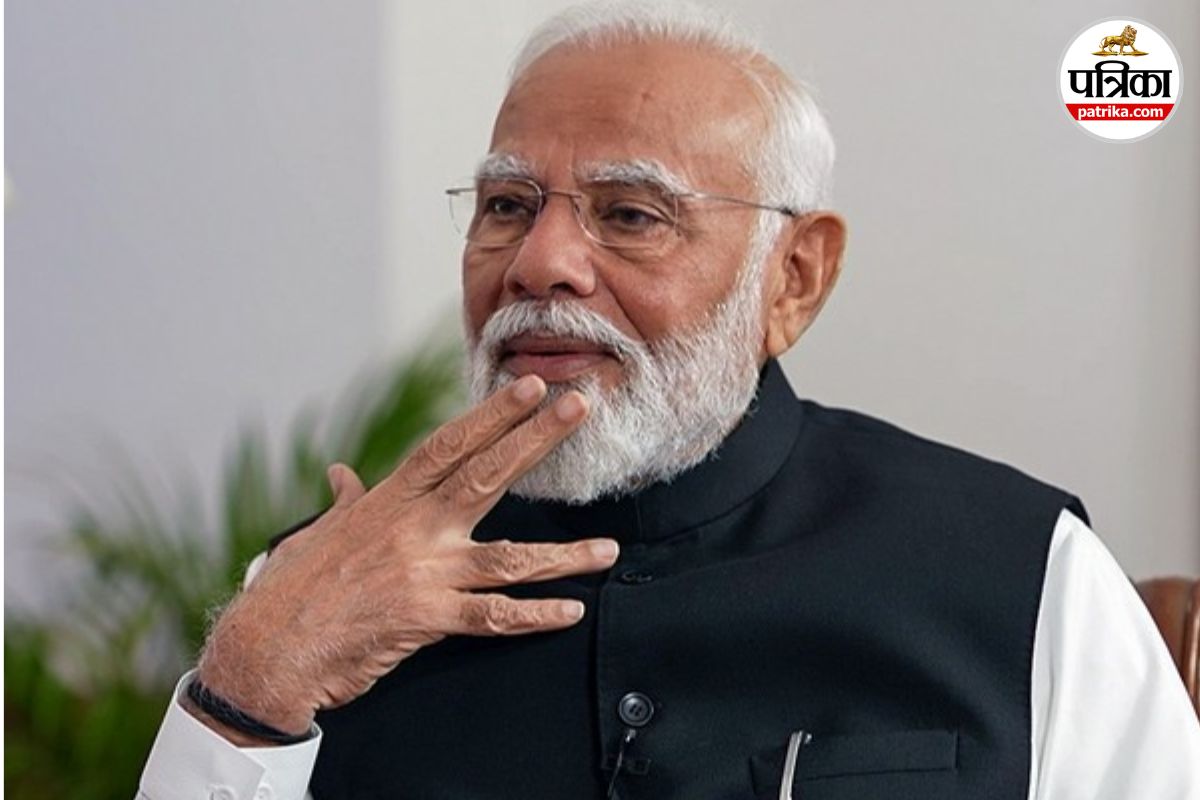
Recent attacks on commercial vessels have turned the Persian Gulf into a high-stakes waiting game. PM Modi recently took the lead, picking up the phone to talk with the heads of state from Qatar, France, and Oman. This wasn't just a "checking in" call. It was a calculated move to protect India’s energy security and the lives of Indian sailors who man a massive chunk of the world’s cargo ships. If you liked this post, you might want to check out: this related article.
The High Stakes of the Hormuz Strait
The Strait of Hormuz is a tiny stretch of water. At its narrowest, it’s only about 21 miles wide. Yet, roughly a third of the world's liquified natural gas and about 20% of global oil consumption passes through this gap. If this door closes, the global economy doesn't just slow down. It breaks.
India imports over 80% of its crude oil. A huge portion of that comes right through the waters currently under threat. When PM Modi discusses these "security concerns" with leaders like the Sultan of Oman or the President of France, he's talking about keeping the lights on in Indian homes. We aren't just observers anymore. India is now a major pole in a multipolar world, and our maritime interests are non-negotiable. For another look on this story, see the latest update from TIME.
The conversations with Qatar are particularly vital. Qatar is India’s largest supplier of LNG. Any disruption in the Gulf means a direct hit to our fertilizer plants, our power sectors, and our burgeoning gas-based economy.
Diplomacy Beyond Simple Phone Calls
Why France and Oman? You have to look at the map to understand the strategy. France has a permanent military presence in the UAE and a deep interest in Indian Ocean stability. Oman sits right at the mouth of the Strait. They are the gatekeepers.
By engaging these specific partners, India is building a "security architecture" that doesn't rely on just one superpower. We've seen that relying on any single entity to police the seas is a recipe for disappointment. Instead, Modi is pushing for a collective responsibility.
The Indian Navy has already increased its footprint in the Arabian Sea. We’ve sent guided-missile destroyers like the INS Mormugao and INS Kolkata to monitor these waters. But military hardware is only half the battle. You need the diplomatic "green light" from regional players to operate effectively. That’s what these high-level talks achieve.
What Most People Get Wrong About Maritime Attacks
A common mistake is thinking these ship attacks are random acts of piracy. They aren't. They are deeply political. In the current geopolitical climate, merchant ships have become "soft targets" for state and non-state actors looking to exert pressure without starting a full-scale land war.
- The Crew Factor: India provides a huge percentage of the global seafaring workforce. When a ship is hit, there's a high chance an Indian national is on board.
- Insurance Costs: Even if a ship isn't hit, the "war risk" premiums skyrocket. This cost is passed directly to you, the consumer.
- Supply Chain Lag: Ships are forced to take longer routes around Africa if the Gulf becomes too dangerous. That adds weeks to delivery times for everything from electronics to cooking oil.
Modi's outreach to France's Emmanuel Macron is particularly telling. France and India have a "Joint Strategic Vision for the Indian Ocean Region." This isn't just paper-pushing. It involves sharing real-time satellite data and coordinate patrolling.
The Oman and Qatar Connection
Oman has always been India’s "silent partner" in the Gulf. They provide docking facilities and logistical support to the Indian Navy. During his talk with Sultan Haitham bin Tarik, Modi likely focused on the "maritime bypass" strategies—ways to ensure trade continues even if the Strait becomes a "hot zone."
With Qatar, the focus is slightly different. It’s about regional de-escalation. Qatar often acts as the mediator in Middle Eastern conflicts. By talking to the Amir of Qatar, India is trying to use its "soft power" to cool down the tempers in the region before someone makes a move they can't take back.
India’s New Maritime Reality
For decades, India’s foreign policy was "wait and watch." Those days are over. We are now proactive. The fact that the Prime Minister is personally coordinating with European and Gulf leaders shows that maritime security is now a top-tier national priority.
The Indian Navy’s "Information Fusion Centre – Indian Ocean Region" (IFC-IOR) in Gurugram is now a hub for dozens of countries. We are becoming the net security provider in this part of the world. But the Hormuz Strait is a different beast. It requires a delicate balance of "hard" naval power and "soft" diplomatic maneuvering.
Taking Action on Energy Security
If you're worried about how this affects your wallet, keep an eye on the "Strategic Petroleum Reserves." India is building massive underground caverns to store oil for exactly these kinds of emergencies. While the PM handles the diplomacy, the government is also racing to fill these reserves to ensure a 90-day cushion if the Gulf ever shuts down.
Don't expect a quick fix. The Middle East is a complex web of rivalries. But the shift in India's stance—from a passive buyer to an active security stakeholder—is the most significant change in our foreign policy in a generation.
Monitor the news for "NAV area" warnings and Indian Navy deployments in the North Arabian Sea. These are the real indicators of how serious the situation is. If you're invested in the markets or work in logistics, start diversifying your supply routes now. The era of "safe and easy" maritime trade in the Gulf is on pause. We have to adapt to this new, more volatile reality where security is something we have to actively maintain, not just expect.