Altruism is a terrible navigator.
When news broke that sailboats carrying aid from Mexico to Cuba vanished, the media defaulted to the standard script: a tragic tale of brave volunteers swallowed by the sea. They paint a picture of heroic underdogs fighting the elements to deliver rice and bandages. It is a touching narrative. It is also dangerously delusional.
If you want to help a blockaded or struggling nation, the last thing you should do is put a few tons of canned goods on a 50-foot fiberglass hull and hope for the best. Stop romanticizing amateur maritime transport. It is not "grassroots activism." It is a logistical nightmare that risks lives, wastes resources, and accomplishes almost nothing for the people on the ground.
The Mathematical Failure of Small Scale Relief
Let’s look at the physics before we look at the politics. A standard cruising sailboat has a payload capacity that is laughable compared to the needs of a nation. Even if you cram the bilge with antibiotics and syringes, you are moving a fraction of a shipping container’s worth of goods.
I have watched well-meaning crews spend $10,000 on vessel maintenance, fuel, and port fees just to deliver $2,000 worth of supplies. That is a negative return on investment that would get any logistics officer fired. If those same volunteers had sold their boat and wired the cash to established NGOs with existing supply chains, they could have sent ten times the amount of aid via commercial channels that actually have a chance of arriving.
Amateur aid missions are often more about the "journey" of the donor than the survival of the recipient. It feels better to hand-deliver a box of aspirin than to click "donate" on a website. But feeling good isn't a strategy.
The Caribbean is Not a Lake
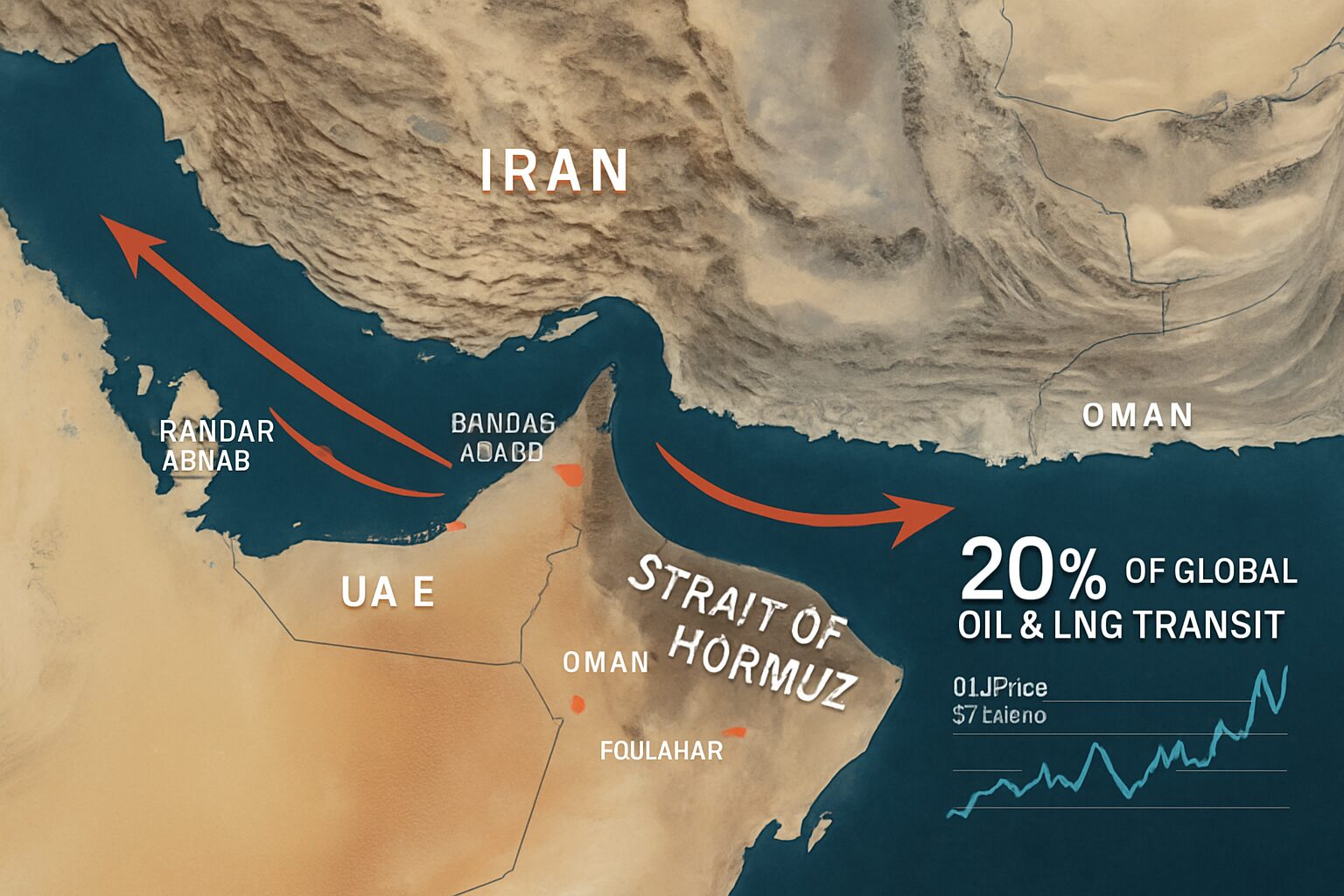
The "lazy consensus" in the reporting of these missing vessels suggests that these are freak accidents. They aren't. The Yucatan Channel and the Florida Straits are some of the most complex bodies of water on the planet. You have the Loop Current, unpredictable squalls, and—most importantly—heavy commercial traffic.
When an amateur crew sets sail in an overloaded boat, they aren't just battling the weather; they are battling their own lack of professional-grade redundancy.
- Weight Distribution: Most sailors don't calculate the moment of inertia when they stack crates of water in the cabin. They compromise the boat's righting moment.
- Communications: Using a standard VHF radio in the middle of a crossing is like trying to use a walkie-talkie in a desert. Without redundant satellite uplinks and EPIRBs that are properly registered, you are a ghost the moment you drop over the horizon.
- Maintenance: Aid boats are often older vessels, pressed into service because they are "expendable." They aren't. A snapped shroud or a clogged fuel filter in the middle of the Gulf Stream isn't an inconvenience. It’s a death sentence.
The Cuba Context No One Wants to Touch
The missing boats were headed to Cuba, a country that exists in a permanent state of bureaucratic and geopolitical friction. Everyone wants to talk about the "embargo" or "solidarity," but no one wants to talk about the Port Authority.
I’ve dealt with Caribbean customs for twenty years. It is a meat grinder of paperwork, "donations" to local officials, and shifting regulations. Even if these boats had arrived, there was no guarantee the aid would have reached its intended destination.
When you show up in a private vessel with a "manifest" written on a legal pad, you aren't a savior. You are a giant red flag for every intelligence and customs agency in the region. You are likely to have your cargo seized or tied up in probate for months while the medicine expires in a humid warehouse.
The Search and Rescue Tax
Here is the part that makes people angry: when an amateur aid boat goes missing, it drains the very resources the region needs.
The Mexican Navy and the U.S. Coast Guard spend millions of dollars on search and rescue (SAR) operations for these missions. One C-130 Hercules flight costs roughly $15,000 per hour. When you send multiple planes and ships out for four days to find a missing sailboat, the taxpayers are essentially subsidizing a failed private aid mission.
Imagine if that SAR money had been spent on actual infrastructure in the destination country. Instead, we are burning jet fuel to find people who shouldn't have been out there in the first place.
Why We Keep Making This Mistake
We are addicted to the "David vs. Goliath" trope. We want to believe that a small group of people can bypass global systems to do good. We see the big NGOs as "bloated" or "slow," so we champion the guys in the sailboat.
But the "bloated" NGOs have something the sailors don't: Insurance. They have bulk-buying power. They have legal teams that ensure the cargo doesn't sit on a dock for three months. They have professional captains who don't go missing because they understand the difference between a "favorable window" and a "suicide mission."
If you want to disrupt the aid industry, don't buy a boat. Build a better digital tracking system for local medical supplies. Create a transparent funding mechanism that bypasses corrupt middle-men. Do something that scales.
The Hard Truth of Maritime Aid
The ocean does not care about your intentions. It does not care that you have a heart of gold or that you spent your weekends collecting donations at a church. It only cares about your draft, your hull integrity, and your navigation.
We need to stop treating these disappearances as "mysteries" or "tragedies of the spirit." They are failures of planning. They are the result of ego-driven charity that prioritizes the "mission" over the math.
The next time someone tells you they are "sailing aid" to a troubled spot, tell them to sell the boat and buy a seat at the logistics table. Because right now, all they are doing is adding more wreckage to a sea that is already full of it.
Stop acting like the sea is a highway for your conscience. It is a graveyard for the unprepared.