The world of high-stakes diplomacy just got weirder. You might think a war in the Middle East would be handled by generals and career diplomats, but in 2026, the guest list for a crisis call includes the world’s richest man.
A recent report from the New York Times says Elon Musk joined a high-level phone call this past Tuesday between President Donald Trump and Indian Prime Minister Narendra Modi. The topic? The escalating war in Iran. While the White House and New Delhi haven’t officially blasted this out in their press releases, the presence of a private citizen on a call between two world leaders during a military crisis is, to put it mildly, bizarre.
It isn't just a technical glitch or a casual "hello." It’s a sign that the lines between corporate power and government authority have officially blurred. If you're wondering why a tech mogul is weighing in on the Strait of Hormuz, you aren't alone.
The Musk Factor in Global Conflict
We've seen Musk insert himself into global friction points before, but this is different. This isn't just about providing Starlink terminals to a besieged nation. This is direct participation in the "war room" logic of the United States and its most critical allies.
The New York Times cited two U.S. officials who confirmed Musk was there. They didn't say if he spoke or just listened, but his presence speaks volumes. Remember, Musk has a history here. Back in late 2024, he reportedly met with Iran’s UN envoy, Amir Saeid Iravani, to discuss easing tensions. He’s been positioning himself as a backchannel for months.
Now that the conflict has actually turned into a shooting war—with U.S. and Israeli strikes hitting Iranian soil since February—Musk isn't just a mediator. He’s an active participant in the strategy. This comes after a rocky period where Musk and Trump reportedly had a falling out over government efficiency roles, but it seems they’ve patched things up. When the missiles start flying and the oil stops flowing, Trump clearly wants Musk in the room.
Why India and the Strait of Hormuz Matter
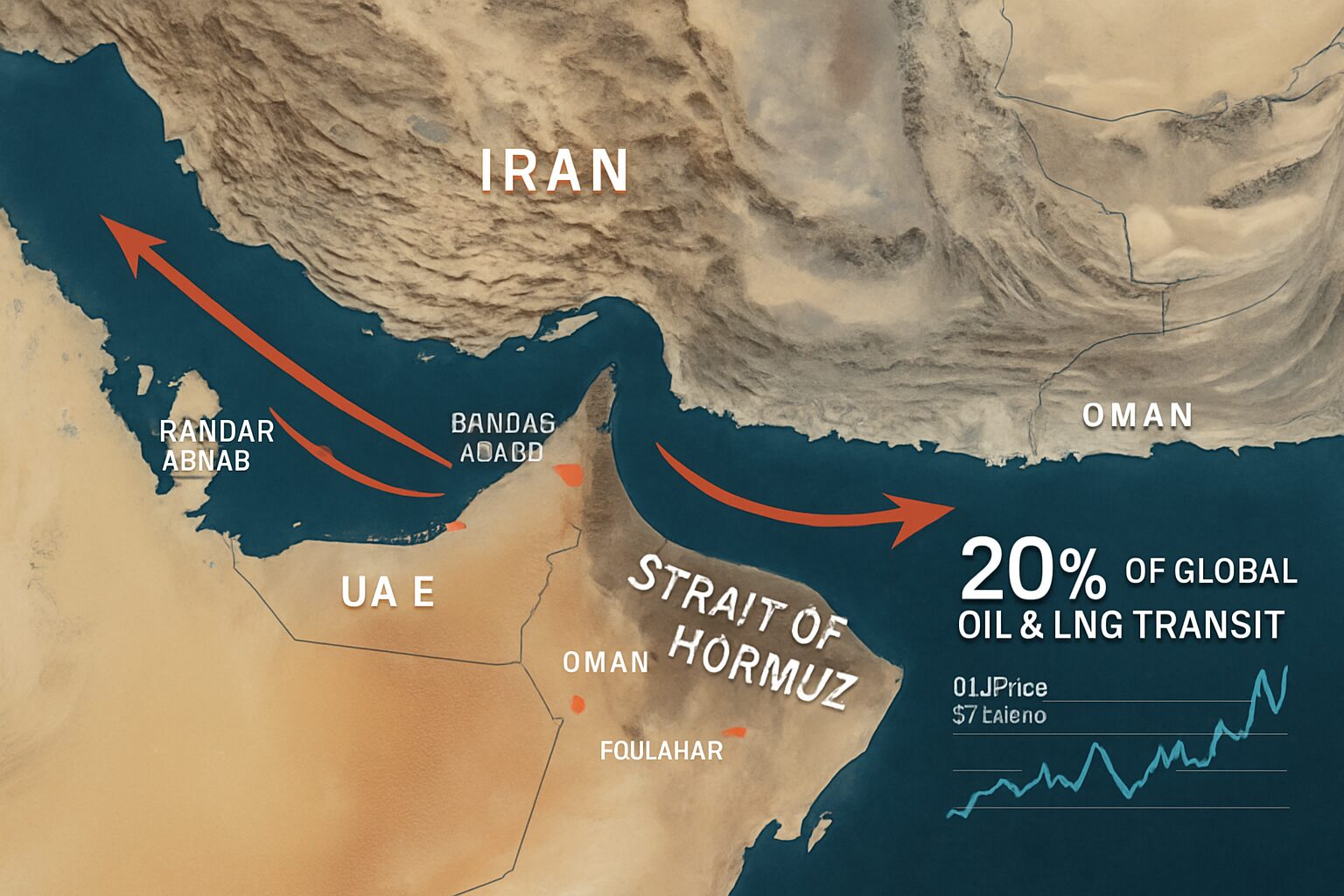
To understand why Modi was on the other end of that line, you have to look at the water. The Strait of Hormuz is the world's most important oil chokepoint. About a third of the world's sea-borne oil passes through it. For India, it’s a literal lifeline.
India is the third-largest oil consumer on the planet. When the Strait gets risky, India’s economy starts to shake. Modi has been vocal about "de-escalation" and "dialogue," but his real priority is keeping those shipping lanes open. India has even started looking back toward Russia for LNG and crude oil to hedge against the Middle East chaos.
So, why was Musk there? Here’s the reality:
- Commercial Interests: Musk has massive investment ties to Middle Eastern sovereign wealth funds.
- Indian Expansion: Tesla and Starlink have been knocking on India's door for years. Being in the room with Modi and Trump gives him leverage that no lobbyist could ever buy.
- Supply Chain Resilience: Musk’s companies rely on the same global stability that Modi needs. If energy prices spike, everything from satellite launches to EV battery production gets more expensive.
The New Shadow Government
Critics are calling this the rise of a "technological aristocracy." It’s a fancy way of saying that billionaires are now operating like a parallel executive branch. When a private citizen can bypass the State Department to influence a call about a war, the traditional rules of democracy are basically out the window.
Trump has always preferred personal loyalty and "business sense" over bureaucratic protocol. By bringing Musk into the fold, he’s signaling that he views global conflict as something to be "solved" like a merger or an engineering problem. Musk, for his part, has tweeted that we "got lazy" about global supply chains. He clearly thinks he has the answers that the "experts" don't.
But this approach carries massive risks. There's no oversight for Musk. He hasn't been confirmed by the Senate for a diplomatic role. He isn't accountable to the voters. If a deal he suggests goes south, he just goes back to running his companies while the rest of the world deals with the fallout.
What This Means for the Iran War
The call happened just as Trump announced a five-day pause on strikes against Iranian facilities. There’s a slim hope for diplomacy, with rumors that Vice President JD Vance might even head to Pakistan for talks with Iranian officials.
If Musk is the one brokering the "business side" of a peace deal—perhaps involving sanctions relief in exchange for tech investments or energy guarantees—it would be a historic shift in how wars end. But it also sets a precedent where the interests of a few massive corporations are baked into international treaties.
If you’re watching the markets, pay attention to energy stocks and shipping costs. The fact that this trio is talking suggests that the "break" in hostilities might be more about negotiating the economic price of peace than anything else.
Watch the headlines for any mention of "Starlink in Tehran" or "Tesla in Delhi." Those aren't just business wins; they're the new currency of 21st-century warfare. If you want to stay ahead, stop looking at what the diplomats are saying and start looking at what the billionaires are doing.
Keep an eye on the Strait of Hormuz transit data over the next 48 hours. If shipping volume picks up, the Musk-Trump-Modi trio likely reached a temporary understanding with the regional players.