Imagine trying to buy a home and being told your bank balance doesn't matter as much as the language you speak at the dinner table. That's the reality unfolding in Gwynedd. A local council is pushing a policy that sounds like something out of a history book or a radical manifesto. They want to restrict a new housing development specifically to Welsh speakers.
This isn't just about preserving a language. It’s a desperate, controversial attempt to stop the "brain drain" and the hollowing out of rural communities by second-home owners. The Gwynedd Council is essentially trying to build a linguistic fortress. If you don't speak the tongue, you might not get the keys. You might also find this connected article insightful: The $2 Billion Pause and the High Stakes of Silence.
It’s bold. It’s probably legally shaky. And it’s making a lot of people very angry.
Why Language Is Now a Planning Requirement
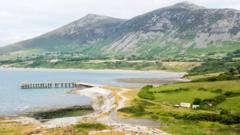
For decades, Welsh-speaking heartlands like the Llŷn Peninsula have watched their culture erode. It’s a slow death by a thousand holiday lets. Local kids can’t afford to live where they grew up because wealthy buyers from Manchester or London outbid them for every cottage. When the locals leave, the Welsh language goes with them. The shops start closing in winter. The schools lose pupils. As discussed in latest reports by NPR, the results are widespread.
Gwynedd Council isn't just complaining about it anymore. They’re taking the nuclear option.
The proposal involves a new housing estate where the planning permission would literally include a "Welsh language condition." Basically, if you want to buy or rent one of these homes, you have to prove you can speak Welsh. They’re arguing that the survival of a culture is a valid reason to override the open market. It's a massive gamble on the future of rural Wales.
The High Price of Linguistic Preservation
You can’t just ignore the legal nightmare this creates. Housing law and human rights legislation usually don't play well with discrimination based on language. Critics are already calling it a form of social engineering. If you start saying only Welsh speakers can live in certain areas, what happens to the English-speaking Welsh families who have lived there for generations but lost the language?
They get locked out too.
Then there’s the economic reality. If you limit the buyer pool to a specific group, the value of those homes might behave differently than the rest of the market. Developers might get cold feet. Why build a house if the council tells you who you're allowed to sell it to? It’s a move that could accidentally stifle the very growth these towns need.
A Culture Under Siege or Just Bad Policy
Walking through towns like Abersoch in the height of summer feels like being in a different country. The signs are in Welsh, but the voices on the street are almost exclusively English. By October, it’s a ghost town. The council sees this as an existential threat. They believe that if they don't act now, the Welsh language will become a museum piece—something spoken in classrooms but never in the pub.
But is a housing estate the right battlefield?
Some argue that the council should focus on jobs and wages instead. People leave because there isn't work, not just because houses are expensive. If you provide high-paying jobs in tech or green energy, the Welsh speakers will stay. Forcing people into a linguistic box feels like a band-aid on a much deeper wound.
How the Policy Actually Works
The council is looking at using Section 106 agreements. These are normally used to force developers to build "affordable" homes or contribute to local roads. In this case, the agreement would specify the language requirement.
- The Fluency Test: Who decides if you’re "Welsh enough"? Will there be an exam before you get your mortgage?
- The Enforcement: How do you stop someone from moving in and then never speaking a word of Welsh again?
- The Fallout: This could set a precedent for other regions. Could a council in the Highlands demand Gaelic speakers only?
The Reality for Young Locals
I’ve talked to people in their twenties who feel like they’re being evicted from their own heritage. They love their language. They want to keep it alive. But they also want a house they can actually afford. When the council makes moves like this, it feels like a grand gesture that doesn't solve the immediate problem of 300,000-pound houses and 25,000-pound salaries.
It’s a "language first" approach in a "money first" world.
The debate is splitting the community. On one side, you have the traditionalists who see this as a heroic last stand. On the other, you have pragmatists who worry this will make the area look insular and unfriendly to investment.
Moving Forward With Rural Housing
If you’re watching this from the outside, don't think this is just a Welsh quirk. This is a preview of the "culture wars" coming to housing markets everywhere. From the Hamptons to the Highlands, locals are tired of being priced out.
If you want to stay informed or get involved in how your own local planning works, start here. Look up your local council's Local Development Plan (LDP). These documents outline exactly what can be built and where for the next 15 years. Don't wait until the diggers show up to have an opinion.
Go to the planning portal of your local authority website. Search for "Section 106" or "Community Infrastructure Levy" to see what your council is demanding from developers. If you don't like the direction your town is heading, those meetings are where the real power lies. Most people ignore them. The developers don't.