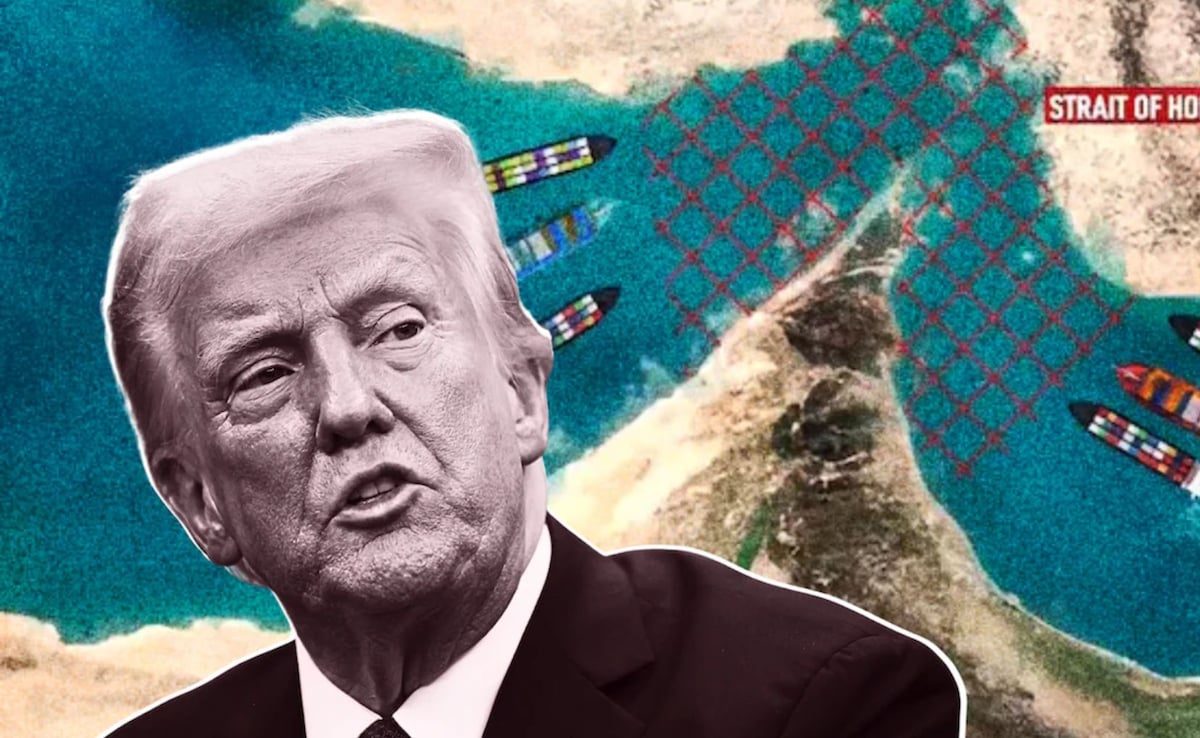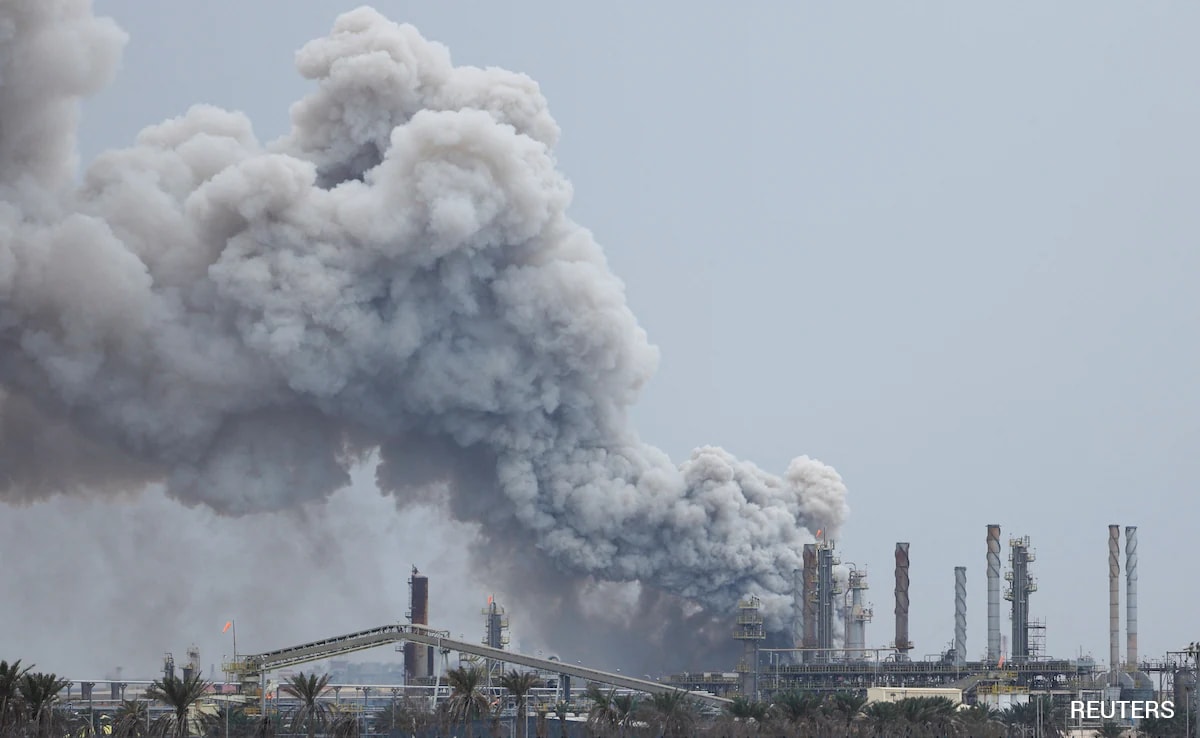
The math of a maritime blockade is unforgiving. For every twenty-four hours the Strait of Hormuz remains "effectively closed" following the late-February escalations between the U.S.-Israel axis and Iran, nearly 20 million barrels of crude oil and a massive volume of Liquefied Natural Gas (LNG) are stranded. For India, the world’s third-largest energy consumer, this is not a theoretical supply chain disruption. It is a structural emergency.
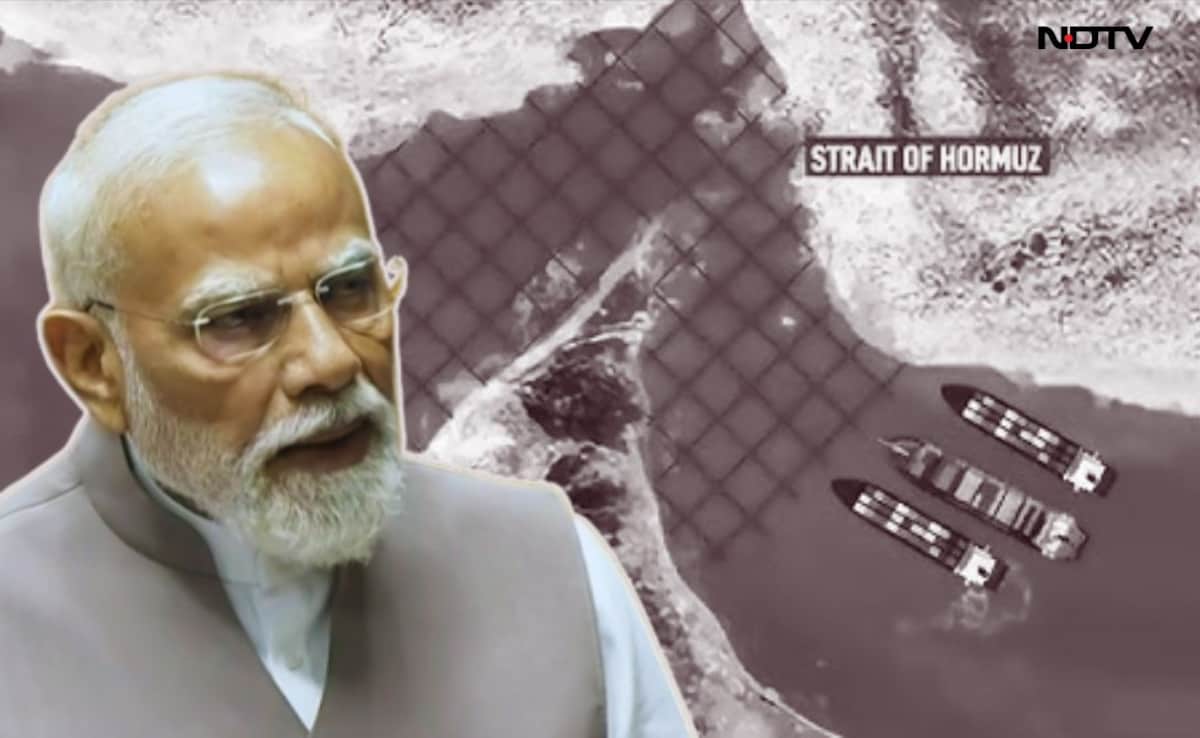
In the Lok Sabha this week, the official narrative was one of "calibrated reassurance." Prime Minister Narendra Modi cited India’s Strategic Petroleum Reserves (SPR) and a diversified list of 41 supplier nations as evidence of a "bulletproof" energy strategy. But look past the parliamentary rhetoric, and the reality is far more porous. While the government highlights its 5.33-million-metric-ton reserve, recent disclosures to the Rajya Sabha admit these caverns are sitting at just 64 percent capacity. That is roughly six days of cover—a thin reed to lean on when 90 percent of your household cooking gas (LPG) and 60 percent of your LNG imports are tethered to a waterway that has become a firing range.
The LPG Vulnerability Nobody Wants to Discuss
Public discourse focuses on crude oil because it fuels the cars of the middle class, but the true "chokehold" is being felt in the Indian kitchen. India’s dependence on the Strait for LPG is nearly absolute. Unlike crude oil, there is no massive strategic reserve for gas. We operate on a "just-in-time" delivery model that assumes the Persian Gulf will always be navigable.
That assumption died on February 28. Since the conflict erupted, the price of a domestic LPG cylinder has already jumped 7 percent. The government has been forced to invoke the Essential Commodities Act of 1955, a move that signals desperation more than control. While the Indian Navy’s "Operation Sankalp" successfully escorted the Shivalik and Nanda Devi carriers into Mundra and Kandla ports last week, a naval escort for every commercial hull is an unsustainable logistics nightmare.
There are currently 22 India-flagged vessels stranded west of the Strait. Each day they sit idle, the "scarcity premium" on the spot market climbs. The government can talk about "diplomatic outreach" to Tehran to secure safe passage for Indian bottoms, but Iran’s price for such cooperation often involves geopolitical concessions that New Delhi isn't ready to sign in blood.
The Russian Pivot Reverses Under Pressure
For two years, Russian Urals were the "get out of jail free" card for Indian refiners. At its peak, Moscow supplied over 35 percent of India’s crude. That lifeline is fraying. By January 2026, the Russian share of India’s oil imports tumbled to 21.2 percent, the lowest since the early days of the Ukraine conflict.
The reasons are purely transactional. Western sanctions have finally sharpened their teeth, making the banking and insurance "compliance tax" on Russian oil higher than the actual discount on the barrel. Indian refiners, particularly private giants like Reliance, are being forced back into the Middle Eastern market just as the region goes up in flames. Iraq and Saudi Arabia have clawed back their market share, pushing Middle Eastern crude to nearly 60 percent of India’s total intake in February.
This creates a dangerous circularity: India is fleeing Russian oil because of "risk," only to dive back into a Persian Gulf that is physically blocked. Diversification to the U.S. and Brazil is often touted as the solution, but the freight costs from the Western Hemisphere are prohibitive. A barrel from the Gulf of Mexico takes six weeks to reach Jamnagar; a barrel from Fujairah takes four days. In a crisis, time is the only currency that matters.
The Economic Clock of War
The Ministry of Finance knows the threshold. Historical data suggests that every $10 increase in the price of a barrel of oil shaves 0.2 percentage points off India’s GDP growth and adds a similar spike to inflation. With Brent crude flirting with $100 and the Indian Rupee hitting record lows near 92 to the dollar, the "macroeconomic tolerance" for this crisis is measured in weeks, not months.
The current strategy relies on three fragile pillars:
- Naval Escorts: The Indian Navy has increased its presence to seven warships in the Gulf of Oman, but they are explicitly avoiding entering the Strait itself to prevent being drawn into the direct conflict.
- Spot Market Scrambling: Aggressive buying of LNG from "non-Hormuz" sources like Argentina, which is expensive and logistically complex.
- Demand Moderation: The quiet rationing of gas to industrial users (fertilizer and petrochemical plants) to prioritize "the common man's" kitchen.
This is a holding pattern, not a solution. The hard truth is that India’s decade-long push for energy security has built the infrastructure for storage but hasn't secured the molecules to fill them. The Strategic Petroleum Reserve expansion to 6.5 million metric tons is a plan on paper, while the existing tanks sit partially empty because the government didn't want to buy "high" last year.
The Real End Game
The Strait of Hormuz crisis of 2026 is exposing a fundamental flaw in the "Strategic Autonomy" doctrine. You cannot be truly autonomous if your entire industrial and social stability depends on a 21-mile-wide strip of water controlled by two warring factions who view your "neutrality" as an irrelevance.
If this blockade persists into the second quarter of 2026, the "calibrated opening" to alternative fuels and renewable integration will no longer be a policy goal—it will be a survival mandate. The pivot to homegrown solar and green hydrogen, often dismissed as "long-term," suddenly looks like the only short-term exit from a game where the rules are written in Tehran and Washington.
The Indian Navy can escort a few tankers, and the PM can reassure the Parliament, but until the "stock-to-flow" ratio of India’s energy reserves covers months instead of days, the country remains a hostage to geography. We aren't just waiting for the Strait to reopen; we are waiting to see if our economy can hold its breath longer than the conflict lasts.
Check the price of your next LPG refill. That is the real-time ticker for how much "strategic autonomy" actually costs.
Ask yourself if your business's contingency plan accounts for a $120 oil barrel lasting through December.