The air in the Mumbai local train is usually thick with the scent of sea salt and overworked engines, but today, the heat feels different. It is heavier. In a corner seat, Rajesh stares at his smartphone screen, his thumb hovering over a news alert that feels less like a headline and more like a ticking clock.
Forty-eight hours.
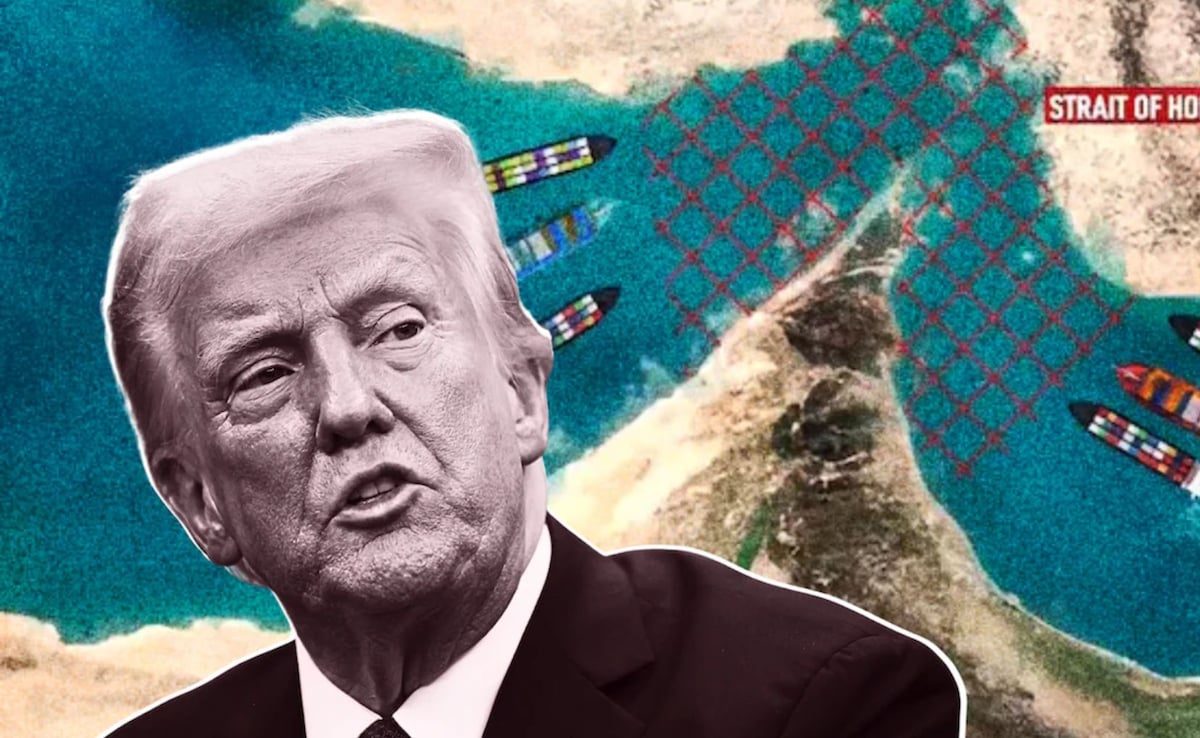
That is the window Donald Trump has reportedly carved into the geopolitical map of the Middle East. It is a deadline aimed at the Strait of Hormuz, a narrow strip of water that looks like a mere pencil stroke on a map but acts as the jugular vein of the global economy. For Rajesh, a middle-manager who tracks the rising cost of his commute, the "Hormuz Deadline" isn't about grand strategy or naval destroyers. It is about whether he can afford to fill his scooter's tank next week.
Most people think of global conflict as a series of explosions. In reality, it begins as a series of whispers in high-ceilinged rooms that eventually turn into a roar at the local gas station. When a superpower issues an ultimatum over the world’s most sensitive chokepoint, the ripples don't just move across the water. They move through the power lines of New Delhi, the refineries of Gujarat, and the wallet of every person trying to survive the week.
The Chokehold on the Horizon
The Strait of Hormuz is a geographic fluke with terrifying leverage. At its narrowest, the shipping lanes are only two miles wide. Through this tiny gap passes one-fifth of the world’s liquid petroleum. If you want to understand why a 48-hour deadline sends a cold shiver through the Indian Ministry of External Affairs, look at the sheer volume of reliance. India imports nearly 80% of its crude oil. A significant portion of that—the lifeblood of the nation's industry—must navigate that two-mile-wide needle's eye.
Imagine a straw. Now imagine that every time someone in Washington or Tehran gets angry, they put a finger over the end of that straw. The person on the other end, trying to breathe, is the Indian economy.
The options currently sitting on the Resolute Desk are described in the dry language of "strategic contingencies." But let’s call them what they are: a gamble with the world’s thermostat.
The first option is the "Show of Force." This involves moving carrier strike groups into the mouth of the Gulf, a literal wall of steel designed to dare anyone to blink. To the markets, this looks like a flashing red light. Traders in London and Singapore don't wait for the first shot to be fired; they priced in the fear long ago.
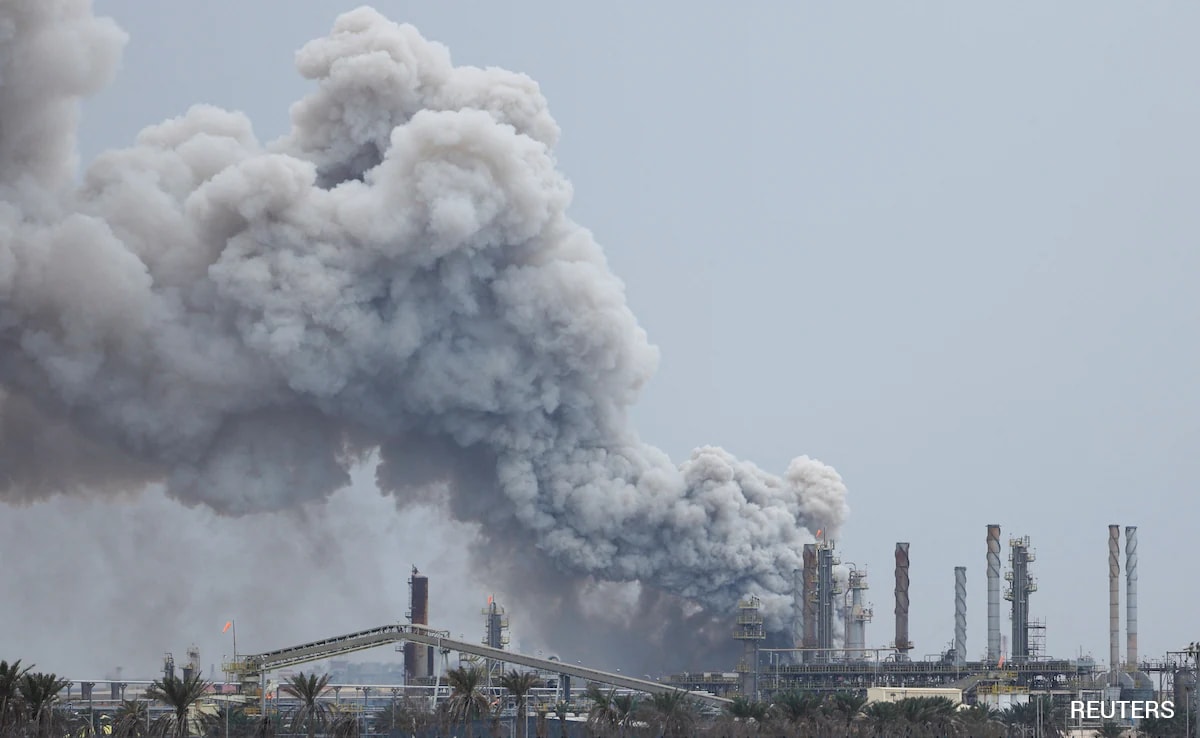
The second option is the "Surgical Strike." This is the clinical term for high-stakes demolition. Targeting Iranian fast boats or coastal missile batteries sounds precise until you realize that in a corridor that narrow, there is no such thing as a contained mess. A single stray spark, a single sunken tanker, and the insurance premiums for every vessel in the region skyrocket to levels that make shipping oil effectively impossible.
The third option is the "Diplomatic Siege." This is the slow burn. It involves a total blockade of Iranian exports, forcing a collapse from within. While it avoids immediate fire, it creates a vacuum. When you remove a major supplier from the global ledger, the remaining oil doesn't just get more expensive. It becomes a weapon.
The Indian Calculus of Survival
While the headlines focus on the bravado of the deadline, the real story is happening in the war rooms of New Delhi. For India, this isn't a spectator sport. It is an existential math problem.
If oil prices jump by even ten dollars a barrel, the fiscal deficit of the country swells like an infected wound. Inflation, already a persistent shadow, would leap into the light. This means the price of onions goes up. The price of cement goes up. The cost of transporting a child to school goes up.
Consider the "Strategic Petroleum Reserve." India keeps a hidden stash of oil in underground salt caverns, enough to keep the country running for about nine days in a total blackout. It is a safety net made of glass. Nine days is a heartbeat in the world of geopolitical standoff. If the Hormuz deadline passes and the strait is shuttered, India isn't just looking at a "shock." It is looking at a fundamental rewiring of its daily life.
The government’s "Brace for Impact" strategy isn't just about finding new suppliers in Guyana or the United States. It is about a desperate, silent pivot toward any energy source that doesn't involve a boat passing through a Middle Eastern chokepoint. This is why the push for green energy and domestic ethanol isn't just an environmental goal; it is a frantic search for an escape hatch.
The Ghost in the Machine
Behind the numbers and the naval maneuvers lies the human element of the crews on those tankers. These are not just "vessels." They are floating islands of steel manned by sailors—many of them Indian—who find themselves at the center of a game they didn't choose to play.
When a 48-hour deadline is issued, the mood on a VLCC (Very Large Crude Carrier) changes. The horizon, usually a symbol of freedom, becomes a source of dread. They know that if the "surgical" option is chosen, they are the collateral. They are the ones sitting on millions of gallons of highly flammable cargo in a zone where missiles move faster than the eye can follow.
The psychological weight of the deadline acts as a tax on the world's nervous system. It forces companies to stop investing. It forces families to start hoarding. It creates a vacuum where certainty used to live.
The Ripple Effect
But the problem goes deeper than the gas pump. Modern India is built on the promise of a digital future. That future requires a stable, affordable power grid. When the cost of fuel spikes, the cost of generating electricity for the massive server farms in Bengaluru and Hyderabad follows. The "India Stack," the digital infrastructure that handles billions of transactions, relies on a physical reality of energy that is currently under threat.
We often talk about "energy security" as if it’s a vault we can lock. It’s not. It’s a river. And right now, the most powerful man in the world has his hand on the sluice gate, with his watch set to a 48-hour countdown.
If the deadline expires without a resolution, we won't see the effects immediately in the form of dark streets. We will see it in the "force majeure" clauses invoked by shipping companies. We will see it in the frantic diplomatic cables between New Delhi and Riyadh. We will see it in the eyes of the shopkeeper who has to tell his customers that the price of milk has doubled overnight because the trucks couldn't afford the diesel to get to the city.
The irony of the Hormuz deadline is that it is meant to project strength, but it mostly highlights the world's profound fragility. We have built a global civilization on the assumption that a two-mile-wide strip of water will always be open, always be safe, and always be cheap. We have bet everything on the idea that the "options" on a president's desk won't actually have to be used.
The Quiet Before the Storm
The clock doesn't care about the complexity of the Indian economy. It doesn't care about Rajesh on his commute or the sailor on the deck of a tanker. It just ticks.
As the hours wind down, the options narrow. The "Show of Force" might turn into a "Surgical Strike," or perhaps a last-minute backchannel deal will move the goalposts once again. But the damage is already done. The reminder has been delivered: our lives are tethered to a geography we rarely think about, governed by people we will never meet, through a deadline that could change everything by breakfast.
Rajesh puts his phone away. He looks out the window as the train crosses the bridge, the sun setting over a city that never sleeps, powered by an oil supply that is currently held hostage by a 48-hour timer. He wonders if he should stop at the petrol pump on the way home, just in case.
He won't be the only one. Millions of people are making that same calculation at this exact moment. That collective anxiety is the real energy shock. It is the sound of a world realizing just how little it actually controls.
The deadline is not just a political maneuver. It is a mirror held up to our shared vulnerability. We are all passengers on that Mumbai local, watching the clock, waiting to see if the lights stay on when the forty-eighth hour finally strikes.
Would you like me to analyze the historical precedents of Hormuz closures and how they specifically impacted the Indian rupee's valuation?