Hollywood is addicted to the aesthetic of justice without the risk of pursuing it.
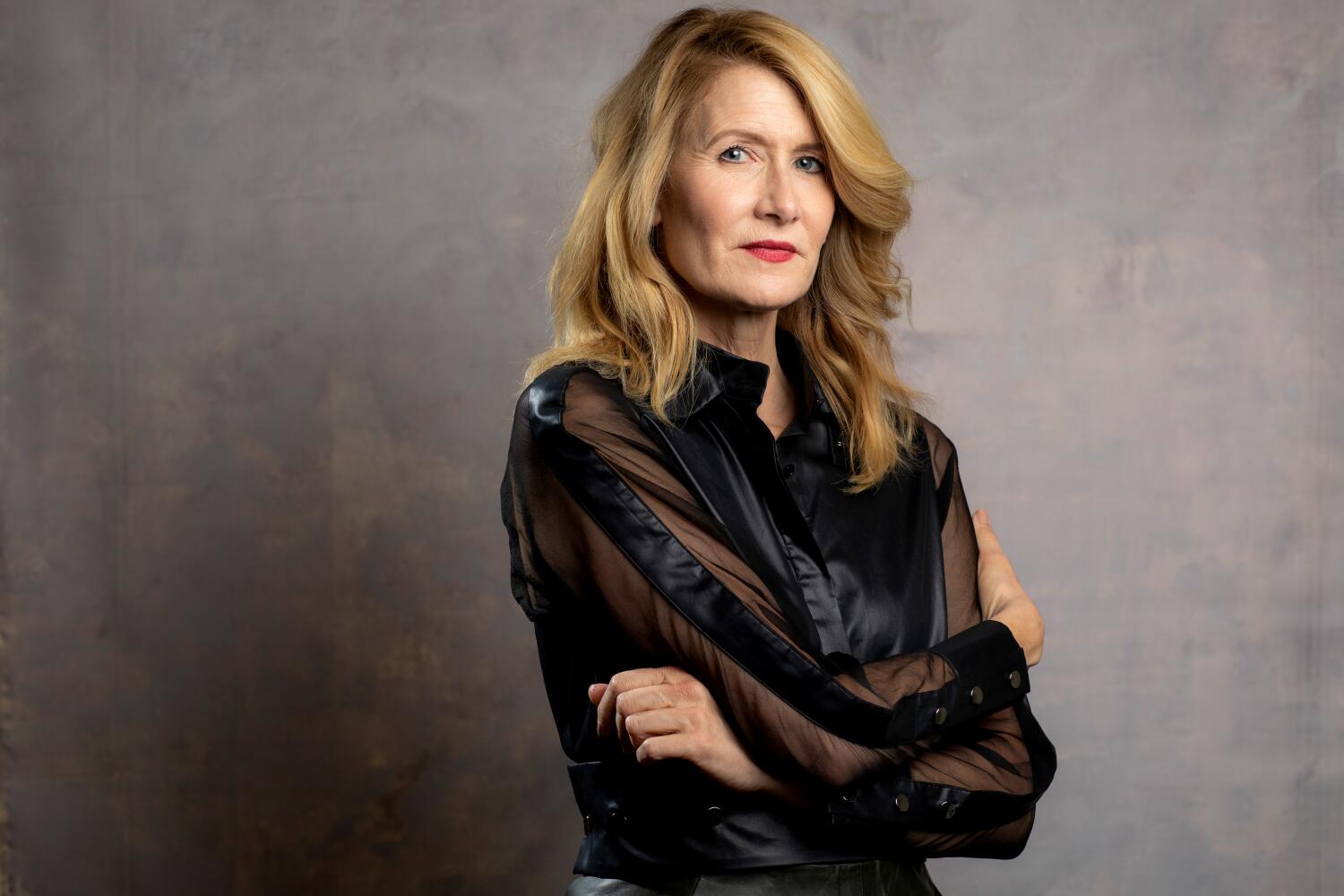
The recent announcement that Laura Dern will star as investigative journalist Vicky Ward in a new limited series about Jeffrey Epstein is being hailed by trade publications as a "brave" or "necessary" look at a dark chapter of history. It is neither. It is a predictable pivot toward safe, retroactive heroism. We are watching the industry transform a massive, systemic failure of the elite into a serialized prestige drama, complete with high-end cinematography and an award-winning lead.
This isn't truth-telling. It's laundering.
By the time the first trailer drops, the Epstein saga will have been processed through the Hollywood machine until every jagged edge is sanded down into a digestible narrative about a "lone, crusading reporter." This ignores the uncomfortable reality: the industry currently patting itself on the back for "exposing" Epstein is the same one that sat on the sidelines while his crimes were an open secret in the halls of power for decades.
The Myth of the Belated Whistleblower
The common narrative surrounding these projects is that they "give a voice to the voiceless" or "ensure we never forget." That is a convenient lie. We don't need another limited series to understand that Jeffrey Epstein was a predator or that his network was vast. We need to understand why the very institutions now dramatizing his downfall were silent when it actually mattered.
Vicky Ward’s 2003 Vanity Fair profile is often cited as the "almost" moment—the piece where the truth nearly came out, if only Graydon Carter hadn't cut the most damning allegations. Decades later, casting Laura Dern to play that frustration is a brilliant marketing move, but a hollow intellectual one. It frames the failure as a localized editorial dispute rather than a symptom of a protected class protecting its own.
When Hollywood focuses on the journalist rather than the mechanics of the cover-up, it shifts the focus from the perpetrators to the process. It turns a horror story into a procedural. We get to watch Dern look stressed in a newsroom, drinking lukewarm coffee and staring at a corkboard, while the actual power brokers who enabled the abuse remain comfortably anonymous or relegated to the background as shadowy caricatures.
The Commodification of Trauma as "Prestige"
There is a specific, cynical formula for the modern True Crime Prestige Series. It requires:
- An A-list actor seeking an Emmy.
- A "harrowing" but visually polished depiction of systemic rot.
- A narrative arc that ends with the protagonist's moral vindication, even if the real-world outcome was a disaster.
We saw it with The Loudest Voice, Bombshell, and Dopesick. These productions operate on the "hindsight is 20/20" principle. They allow the audience to feel a sense of moral superiority. You sit on your couch, watch the villain do something villainous, and think, I would have said something. But the industry making these shows didn't say something.
Hollywood isn't investigating Epstein; it’s strip-mining his crimes for content. If the studios were truly interested in the "truth" of the Epstein network, they would be looking at the contemporary figures who still hold greenlight power—the ones who attended the parties, flew on the planes, and looked the other way. Instead, they give us a period piece about 2003. It’s safe. It’s profitable. It’s "brave" in a way that doesn't threaten anyone's current career.
Why We Keep Falling for the "Crusading Journalist" Trope
The reason these scripts get greenlit is that they offer a hero in a story that doesn't have one. In reality, the Epstein story is a chronicle of total institutional collapse. The police, the FBI, the judiciary, the media, and the billionaire class all failed.
A truthful adaptation would be an unwatchable, nihilistic slog where everyone is complicit and no one is redeemed. Since that doesn't sell subscriptions, the industry creates the "Journalist Protagonist."
The Structural Flaw of the "Hero Reporter" Narrative
- Individualizes Systemic Failure: It suggests that the problem wasn't the system, but rather that one person wasn't "listened to" enough.
- Provides False Closure: By focusing on the investigation, the story ends when the "truth" is found, ignoring the fact that the truth rarely leads to full accountability.
- Sanitizes the Villain: To make the hero's journey compelling, the villain must be a formidable genius. Epstein wasn't a genius; he was a blunt instrument used by people much more powerful than him.
I've seen this play out in corporate boardrooms and production offices for years. You don't get fired for being wrong; you get fired for being right at the wrong time. This series is being made because it is now "the right time" to be right about Epstein. That isn't journalism. It’s archaeology.
The "People Also Ask" Trap: Why Now?
People often ask why it takes twenty years for these stories to reach the screen. The industry answer is "perspective." The real answer is "litigation risk."
Hollywood doesn't lead the culture; it follows it at a safe distance of two decades. They wait for the targets to be dead, incarcerated, or sufficiently disgraced so that the risk of a defamation suit drops to zero. This isn't an indictment of the past; it’s a distraction from the present.
If you want to know who the "next" Epstein is, don't look at who Laura Dern is playing. Look at who the trades aren't writing about today. Look at the names being scrubbed from guest lists in real-time.
The Cost of the "Based on a True Story" Era
We are losing the ability to distinguish between historical record and narrative entertainment. When a series like this becomes the definitive version of events for the general public, it replaces the messy, unresolved facts with a clean, three-act structure.
The Epstein case is still a live wound. Many survivors have never seen a day of justice. Many enablers are still sitting on boards of directors and hosting charity galas. By turning this into a star-studded drama, we are effectively saying that the story is "over"—that it has reached its final form as a piece of intellectual property.
The Contrarian Reality: We Don't Need This Show
If you actually care about the victims of the Epstein network, a fictionalized drama is the last thing you should be watching. It serves only to provide an emotional catharsis that we haven't earned. It allows the viewer to "feel" like they are engaging with a difficult topic while they are actually just consuming a product designed to keep them on a streaming platform for six hours.
The "nuance" the competitor articles miss is that this production is part of the very system of celebrity and power it claims to critique. It uses the same currency—star power, elite access, and narrative control—that Epstein used to shield himself.
Stop Applauding the Bare Minimum
We have reached a point where the mere act of acknowledging a tragedy is considered an act of virtue. It isn't. Rewriting the Epstein story with an Oscar-winning actress doesn't fix the hole in the justice system. It doesn't find the missing tapes. It doesn't name the names that have been redacted from court documents for years.
It just makes for "great television."
If Hollywood wanted to be disruptive, it would produce a documentary naming every person on those flight logs who hasn't been questioned. It would produce a series about the lawyers who negotiated the 2008 non-prosecution agreement. It would look at its own mirrors.
But it won't. It will give you Laura Dern in a wig, looking through a lens, pretending to find secrets that we all already know, while the people who kept those secrets continue to run the world.
Stop calling this "brave." It’s the most cowardly thing they could do.