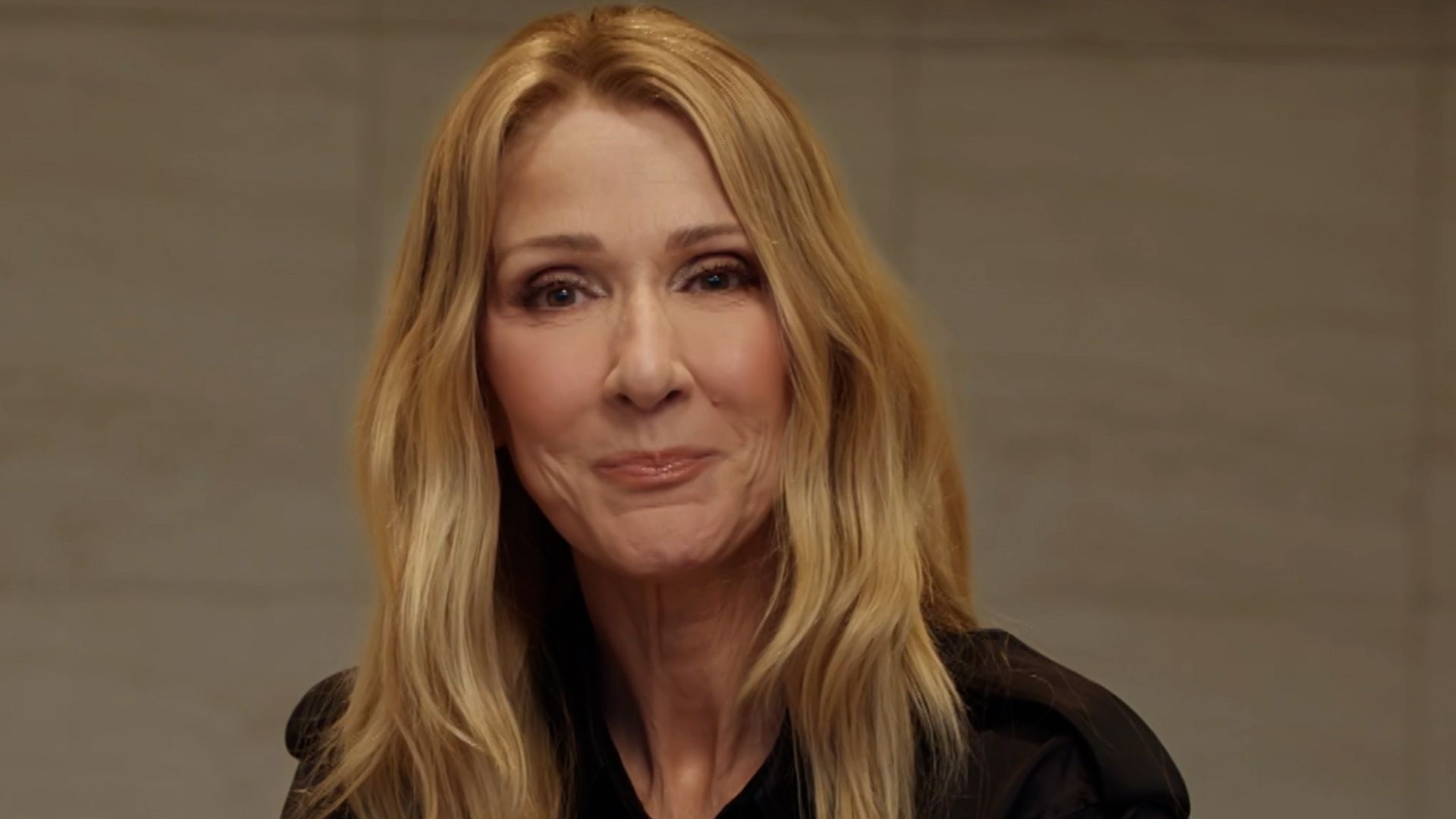
The return of Celine Dion to the live performance circuit represents more than a cultural milestone; it is a high-stakes stress test of biological capacity against the rigid logistical demands of global entertainment infrastructure. When an elite performer of this caliber navigates Stiff-Person Syndrome (SPS), the recovery is not a linear progression but a complex management of neurological volatility. To understand the viability of these newly announced shows, one must deconstruct the intersection of autoimmune pathology, vocal ergonomics, and the financial risk mitigation strategies deployed by modern touring entities.
The Physiological Bottleneck of Stiff-Person Syndrome
Stiff-Person Syndrome is characterized by fluctuating muscle rigidity and heightened sensitivity to stimuli, which triggers debilitating spasms. From a performance standpoint, this creates a fundamental conflict with the mechanics of professional singing. The human voice relies on the precise coordination of the laryngeal muscles, the diaphragm, and the intercostal muscles. In a standard physiological state, these systems operate under autonomic and somatic control to regulate subglottic pressure and vocal fold tension.
The introduction of SPS disrupts this equilibrium through three primary mechanisms:
- Agonist-Antagonist Co-contraction: SPS causes involuntary firing of opposing muscle groups. If the abdominal wall and the paraspinal muscles contract simultaneously, the respiratory bellows system—essential for sustaining Dion’s signature power notes—is effectively locked.
- The Startle Response Threshold: Live performance environments are inherently high-stimulus, featuring sudden lighting transitions, pyrotechnics, and high-decibel crowd noise. For an individual with SPS, these triggers can bypass cognitive control and initiate immediate physical seizing.
- GABAergic Dysregulation: The presence of glutamic acid decarboxylase (GAD) antibodies inhibits the production of GABA, the primary inhibitory neurotransmitter. Without sufficient GABA, the nervous system remains in a state of hyper-excitability.
Success in these upcoming shows depends on a pharmacological and therapeutic "window of stability." This involves balancing benzodiazepines or baclofen for muscle relaxation against the need for cognitive clarity and vocal cord elasticity—two things often compromised by heavy sedation.
Strategic Iteration of the Performance Model
The transition from a cancelled global tour to specific, targeted show dates indicates a shift in the operational "Touring Function." In a standard residency or tour, the objective is to maximize "Utilization Rate"—the number of shows performed within a set calendar period to amortize fixed costs (rehearsals, stage design, travel).
Dion’s strategy has moved toward a Duration-Limited Engagement model. This framework prioritizes three variables:
Environmental Control
By limiting shows to specific, controlled venues rather than a sprawling multi-city itinerary, the production team minimizes "Transit Fatigue." Transit fatigue is a compounding stressor that increases the probability of an SPS flare-up. Fixed-site performances allow for a customized "Sensory Architecture"—adjusting monitors, stage vibration, and lighting cues to sit below the patient’s specific neurological trigger threshold.
Variable Recovery Buffers
The scheduling logic of these new dates likely incorporates "Elastic Recovery Windows." Unlike standard back-to-back performance blocks, this model requires a minimum of 48 to 72 hours between high-exertion events. This duration aligns with the half-life of many GABA-modulating medications and allows for the dissipation of cortisol, which is known to exacerbate autoimmune responses.
Vocal Re-indexing
Dion’s repertoire is historically defined by high-tessitura, high-mass vocal production. The "Cost of Failure" for these specific songs is high. A strategic analyst would expect a re-indexing of the setlist to favor mid-range resonance and lower-velocity transitions. This reduces the physical strain on the diaphragm and minimizes the risk of a spasm occurring mid-phatase.
Risk Mitigation and the Insurance Matrix
The financial architecture of a Celine Dion return is governed by "Contingency Underwriting." Following the multi-year hiatus and the documented medical diagnosis, the cost of insuring these performances has likely entered an outlier bracket.
Insurance providers evaluate "Non-Appearance Risk" based on historical reliability versus current clinical prognosis. To make these shows viable, the following structures are likely in place:
- Self-Insured Retention (SIR): The artist or the promoting entity (such as AEG or Live Nation) assumes a higher initial loss before the insurance policy triggers. This demonstrates "skin in the game" and lowers the premium.
- Force Majeure Carve-outs: Modern contracts in the post-2020 era have become more specific regarding "pre-existing health conditions." The definition of an "unforeseeable event" is narrowed when the artist’s condition is public and chronic.
- Tiered Revenue Recognition: Revenue from ticket sales may be held in escrow until the performance is completed, protecting the promoter from the massive liquidity drain associated with global refunds.
The Paradox of Public Expectation vs. Neurological Reality
There is a psychological feedback loop inherent in the return of a "Power Vocalist." The audience expects the 1996 version of the voice, which was built on a foundation of peak physical resilience. However, the 2026 reality is a performer managing a systemic neurological deficit.
The success of this return will be measured by the ability to pivot the "Artist Brand" from one of Physical Dominance to one of Artistic Resilience. This involves a shift in "Production Value." Instead of the athlete-performer model—where the draw is the sheer difficulty of the vocal acrobatics—the production must move toward a "Curated Legacy" model. This utilizes high-fidelity backing arrangements, intimate acoustic segments, and visual storytelling to carry the emotional weight of the show, thereby reducing the physical "Output Requirement" on Dion herself.
Operational Limitations and Tactical Forecasting
Despite the optimism surrounding the announcement, the "Failure Rate" for returning to the stage with a GAD-antibody related disorder remains non-negligible. Stress, even positive stress like the adrenaline of a standing ovation, acts as a physiological catalyst.
The primary bottleneck remains the Adrenaline-Spasm Correlation. Adrenaline increases neuronal firing rates. In a healthy system, this leads to peak performance. In an SPS system, this can lead to a "Mechanical Lock."
To navigate this, the tactical recommendation for the production team involves:
- Real-time Biometric Monitoring: Utilizing wearable tech to track heart rate variability (HRV) during soundchecks to predict potential flare-ups before they reach a critical threshold.
- Modular Stage Design: Implementing "Safe Zones" or seating integrated into the choreography, allowing the artist to transition from standing to a supported position without breaking the narrative flow of the performance.
- Shadow Vocalists: Professional-grade backing vocalists who are mixed to provide a "safety net" for high-frequency or high-pressure vocal passages, ensuring the sonic integrity of the show even if the artist has to momentarily reduce effort.
The return of Celine Dion is not merely a comeback; it is a specialized pilot program for the future of "High-Fragility Performance." If successful, it establishes a blueprint for how the industry can support aging or health-compromised icons through customized environmental engineering and risk-managed scheduling. The final metric of success will not be the box office gross, but the "Completion Rate"—the ratio of scheduled shows to actually performed shows—which will determine the long-term insurability of her career in its next phase.