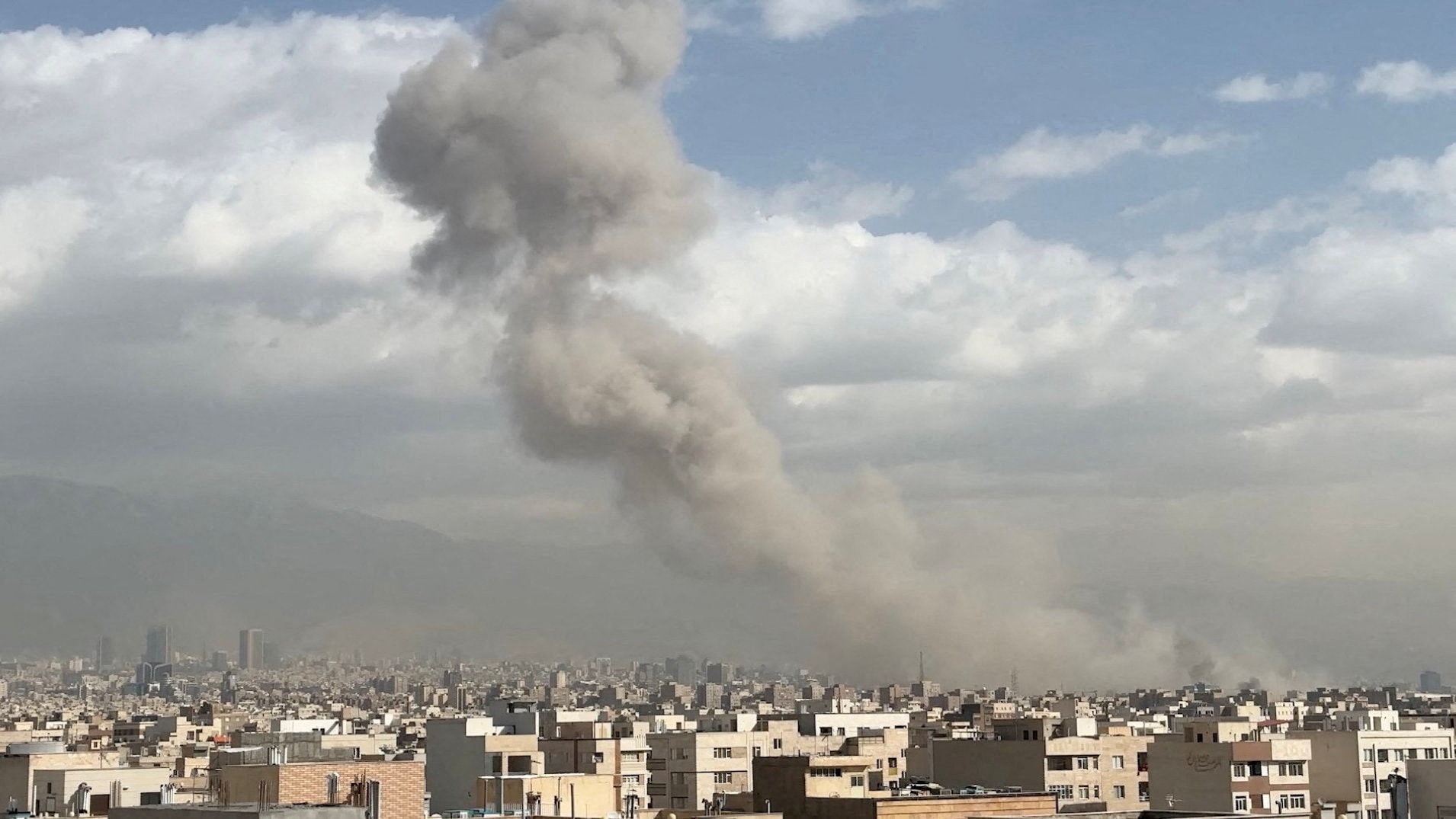
The smoke over Beirut hides a jagged truth that most analysts are too polite to say out loud. Hezbollah isn't a Lebanese resistance group anymore. It hasn't been for a long time. If you look at the tactical choices made since October 2023, the mask has finally slipped. The group is effectively acting as the forward deployment of the Iranian Revolutionary Guard Corps (IRGC). This isn't about borders or Shebaa Farms. It’s about ensuring the survival of the theocratic project in Tehran, even if it means watching Lebanon burn to the ground.
You see it in the way they've tethered Lebanon’s fate to the war in Gaza. There was no internal Lebanese consensus for this. No vote in parliament. No cabinet meeting. Hassan Nasrallah made a choice that prioritized the "Unity of Arenas"—an Iranian strategic concept—over the basic safety of the Lebanese people. By doing so, he signaled that the party’s primary identity is its first identity: the vanguard of the Islamic Revolution. Building on this topic, you can also read: Why the Green Party Victory in Manchester is a Disaster for Keir Starmer.
The myth of the Lebanese defender
For decades, Hezbollah cultivated a specific image. They were the "shield of Lebanon." They pointed to the 2000 withdrawal and the 2006 war as proof that they existed to protect Lebanese sovereignty. It was a brilliant PR campaign. It bought them political cover from Christian and Druze allies who were happy to look the other way while the party built a state-within-a-state.
But that shield has turned into a lightning rod. When the group decided to enter the Syrian Civil War in 2012, the logic was clear. They weren't fighting Israel. They were fighting to save Bashar al-Assad, a key link in the Iranian "Axis of Resistance." Thousands of Lebanese Shia men died in the suburbs of Damascus and Aleppo. They didn't die for Lebanon. They died for a supply line. Observers at NPR have also weighed in on this trend.
Today’s conflict is the logical conclusion of that shift. By opening a "support front" for Hamas, Hezbollah basically told the world that Lebanese stability is secondary to Iranian regional influence. If the IRGC needs a distraction to ease pressure on its proxies or its own borders, Hezbollah pulls the trigger. The costs—the displacement of 100,000 people in the south, the destruction of the agricultural sector, the terrifying sonic booms over Beirut—are just line items in a budget managed from Tehran.
Tehran calls the shots on the ground
We need to talk about how the command structure actually works. It's an open secret in intelligence circles that the coordination between Hezbollah and the IRGC’s Quds Force has never been tighter. This isn't a partnership of equals. When Esmail Qaani, the head of the Quds Force, flies into Beirut, he isn't there to ask for advice. He’s there to synchronize.
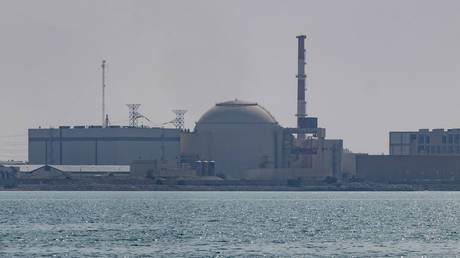
The Iranian regime views Hezbollah as its most successful export. It's their "Point B" in a long-range missile game. If Israel or the U.S. ever strikes Iran’s nuclear facilities, Hezbollah is the guaranteed retaliatory strike. This makes the group an insurance policy for the Ayatollahs.
The problem is that you can't be a national political party and a foreign regime's insurance policy at the same time. The interests eventually clash. Right now, they're clashing violently. Iran wants to maintain its deterrent without triggering a full-scale war that would destroy its best asset. Hezbollah is walking that tightrope, but the rope is fraying. They're losing elite commanders like Wissam al-Tawil and Fuad Shukr. These aren't just soldiers; they're the institutional memory of the organization.
The heavy price of the Iranian alignment
The economic reality in Lebanon is already a nightmare. The lira is worthless. The banks are tombs. In this environment, a "limited" war is a death sentence for the middle class. While the party claims to represent the "dispossessed," its actions are making everyone in Lebanon more desperate.
The Shia community, Hezbollah's core base, is bearing the brunt of this. Families are fleeing their homes in the south with nowhere to go. There’s a growing, quiet resentment. People remember 2006. They remember the promises of "divine victory." But they also see that the reconstruction money this time might not come from a sanctioned and cash-strapped Iran.
Why the regional context matters
- Hamas and the Gaza link: Hezbollah’s refusal to stop fighting until a ceasefire is reached in Gaza is a direct order from the regional playbook. It keeps Israel bogged down on two fronts.
- The Red Sea connection: The Houthis in Yemen and militias in Iraq are part of the same choreographed dance. Hezbollah is the lead dancer, but Tehran is the choreographer.
- The Nuclear Shadow: Iran is closer to weapons-grade uranium than ever. Keeping Hezbollah active ensures that Israel is too distracted to launch a massive preemptive strike on Iranian soil.
A party at odds with its own country
The most telling sign of Hezbollah’s return to its roots is its total disregard for the Lebanese state's official "dissociation" policy. The Lebanese government is a spectator in its own country. Prime Minister Najib Mikati can plead for calm all he wants, but he knows he doesn't have the keys to the armory.
Hezbollah’s 1985 manifesto explicitly stated its allegiance to the Supreme Leader of Iran. In the 1990s and 2000s, they tried to "Lebanonize" their image to gain political power. They joined the cabinet. They ran for seats. They became the kingmakers. But when the chips are down, they always revert to the 1985 version. The "Lebanese" part of their name is a geographic descriptor, not a political priority.
This isn't just an academic debate. It has real-world consequences for how the West deals with Lebanon. If Hezbollah is the state, then the state is a target. That’s a terrifying prospect for a country that was once the "Paris of the Middle East." By choosing Iran, Hezbollah has effectively opted out of the Lebanese social contract.
What happens when the insurance policy is called in
The danger now is that Hezbollah has boxed itself into a corner. If they back down without a clear win, they look weak to their base and their patrons. If they escalate, they risk the total destruction of their infrastructure and the final collapse of the Lebanese state.
Iran is willing to fight to the last Lebanese person to maintain its regional hegemony. That’s the cold, hard reality of the "Axis of Resistance." It’s a colonial relationship, just with a different vocabulary. Instead of "Empire," they say "Solidarity." Instead of "Subject," they say "Brother." But the result is the same: the local population pays the price for a foreign power's ambitions.
If you're watching the border today, don't look for signs of Lebanese national interest. You won't find any. Look at the maps in Tehran. Look at the diplomatic maneuvers in Geneva and New York. That’s where the real script is being written. Hezbollah is just the actor playing a role they've been rehearsing since 1982.
Stop looking at Hezbollah as a Lebanese problem. Start seeing them as the western province of the Iranian security apparatus. Only then do their "irrational" choices start to make perfect, cynical sense. Monitor the movements of IRGC leadership and the flow of Iranian cargo into Beirut’s airport. These are the only metrics that actually determine whether Lebanon sees peace or total war. Support the remaining independent Lebanese institutions that still try to assert a shred of national sovereignty, though the window for that is closing fast.