Henderson Land Development just did something it hasn't done in two decades. It cut its year-end dividend. For a company that’s long been a bedrock for yield-seeking investors in Hong Kong, this isn't just a minor accounting tweak. It’s a signal that the city’s property titans are finally hunkering down for a winter that looks a lot longer and colder than anyone expected.
The numbers tell a blunt story. Henderson’s underlying profit for 2024 dropped to HK$9.71 billion. That’s a 9% slide from the previous year. They’re paying out HK$1.30 per share for the final dividend, bringing the full-year total to HK$1.80. It’s a 14% drop. If you’ve been holding these shares for the steady income, this hurts. But if you're looking at the macro picture, it makes perfect sense. Between the persistent slump in mainland China and new geopolitical jitters in the Middle East, the "wait and see" approach isn't working anymore. Companies are choosing cash preservation over shareholder optics.
High interest rates and the empty office problem
The elephant in the room is the interest rate environment. Even though we’ve seen some stabilization globally, the "higher for longer" reality has bit hard into the Hong Kong real estate model. Borrowing costs are eating margins. When money was cheap, developers could carry massive land banks and slow-moving projects without breaking a sweat. Now, every month a unit sits unsold or an office floor stays empty, the interest bill ticks up.
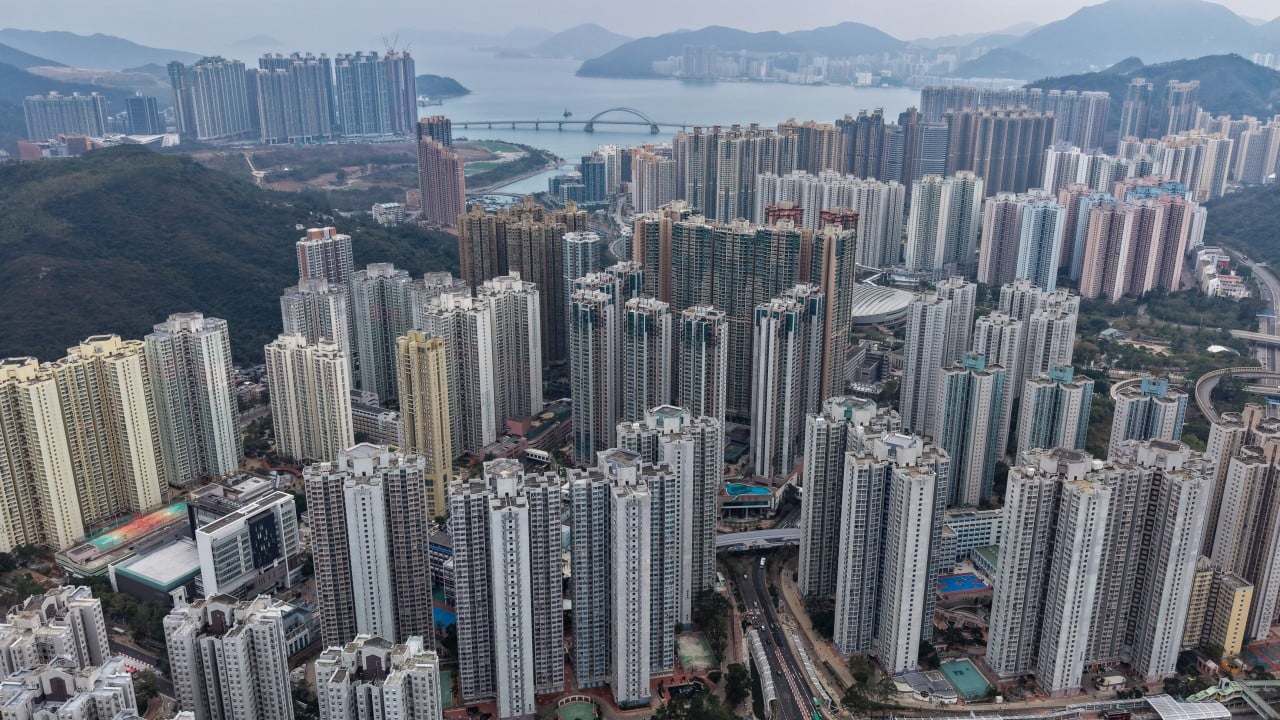
Central, once the most expensive office district on the planet, is feeling the squeeze. Henderson’s own crown jewel, The Henderson—that sleek, Zaha Hadid-designed glass pod in Central—is hitting the market at perhaps the worst possible time for premium office space. We’re seeing a structural shift. Big banks and law firms are downsizing. Some are moving to "decentralized" hubs like Kowloon East to save on rent. Others are just realizing they don't need 10 floors when half the staff works from home three days a week.
When your flagship project faces a lukewarm rental market, you don't keep raising the dividend. You build a moat. Henderson’s management is basically admitting that the recovery isn't around the corner. It’s likely miles away.
The China connection and the Iran factor
It’s not just about what’s happening on Nathan Road or in Central. Henderson has significant skin in the game across the border. The mainland China property crisis has moved past the "liquidity crunch" phase into a long-term stagnation phase. Consumer confidence in China is at a low ebb. People aren't buying apartments as investment vehicles like they used to. That weighs heavily on the valuation of Henderson’s mainland portfolio and its joint ventures.
Then there’s the geopolitical wild card. The recent escalations involving Iran have sent ripples through global energy markets and investor sentiment. Why does a developer in Hong Kong care about tensions in the Middle East? Because volatility kills the appetite for big-ticket real estate. When the world feels unstable, institutional investors pull back. Risk premiums go up. Shipping costs spike, which drives up construction material prices.
Henderson’s leadership specifically pointed to these external "clouds" as a reason for the dividend trim. It’s a defensive play. By cutting the payout now, they’re keeping roughly HK$2.4 billion in the war chest. It’s a smart move for the company’s survival, even if it’s a slap in the face for retail investors who used that dividend to pay their bills.
Residential sales are struggling despite policy wins
You might think the removal of "spicy tunes"—those cooling measures and extra stamp duties the Hong Kong government scrapped—would have fixed everything. It helped. We saw a brief surge in transactions. But the "wealth effect" is gone. People feel poorer because their stock portfolios are down and their homes aren't appreciating 10% a year anymore.
Henderson has a massive pipeline of urban redevelopment projects. They specialize in buying up old buildings in places like Sham Shui Po or Hung Hom and turning them into modern high-rises. In a booming market, this is a goldmine. In a stagnant market, it’s a liability. You’re stuck with high acquisition costs and a finished product that you have to discount just to move the inventory.
- Inventory levels are rising across the city.
- Secondary market prices are still under pressure.
- New launches are being priced aggressively low to lure buyers.
This creates a "race to the bottom" on pricing that makes it incredibly hard for developers to maintain the profit levels we saw in the mid-2010s.
What this means for your portfolio
If you’re holding Hong Kong property stocks, the Henderson move is a reality check. Don't assume the dividends are "safe" just because they've been paid for decades. The business model of the 1990s and 2000s—buy land, wait for it to appreciate, build, sell high—is broken. We’re in a new era of low growth and high risk.
Check the gearing ratios of the developers you own. Henderson’s net debt-to-equity ratio is manageable, but it’s something to watch. If other majors like Sun Hung Kai or New World follow suit with more aggressive cuts, we could see a massive re-rating of the entire sector. Investors aren't going to pay a premium for "bricks and mortar" if the bricks aren't yielding a return that beats a US Treasury bill.
Stop looking for a quick rebound. The combination of high rates, a struggling China, and a surplus of office space means these companies have to reinvent themselves. For Henderson, that means becoming leaner and much more selective about where they put their capital.
Focus on companies with the lowest debt and the highest physical occupancy in their retail malls. Retail is actually one of the few bright spots, as local consumption stays somewhat resilient. But for the office and luxury residential segments, the pain is just beginning. Watch the 1-month HIBOR (Hong Kong Interbank Offered Rate) closely. Until that drops significantly, developers will keep their wallets shut and their dividends low. Expect more "trims" across the board. It's the new normal.
Move your focus toward developers with diversified income streams outside of pure development. If a company relies 80% on "property sales" for its profit, it's a massive risk right now. You want "rental income" and "utility-like" stability. Henderson is trying to pivot there, but it takes years to turn a ship that large. For now, the dividend cut is the only tool they have to stay afloat in choppy waters. Don't get caught waiting for a payout that isn't coming back to its old highs anytime soon.