The 48-hour clock is ticking, and the global energy market is staring down a barrel. Donald Trump just issued a scorched-earth ultimatum to Tehran: fully reopen the Strait of Hormuz or watch your power grid turn to ash. It’s a massive gamble that has already sent Brent Crude screaming past $115 a barrel, and honestly, the "winding down" of the war he mentioned just days ago feels like a lifetime away.
You might think this is just another round of social media posturing, but the stakes have shifted. We aren't just talking about tankers anymore. We’re talking about the total "obliteration" of Iran's internal electricity infrastructure, starting with their largest plants. Iran hasn’t flinched. Instead, they’ve vowed to systematically dismantle every U.S.-linked energy and water desalination plant in the region if a single Iranian spark is extinguished.
Why the Strait of Hormuz is the Only Metric That Matters
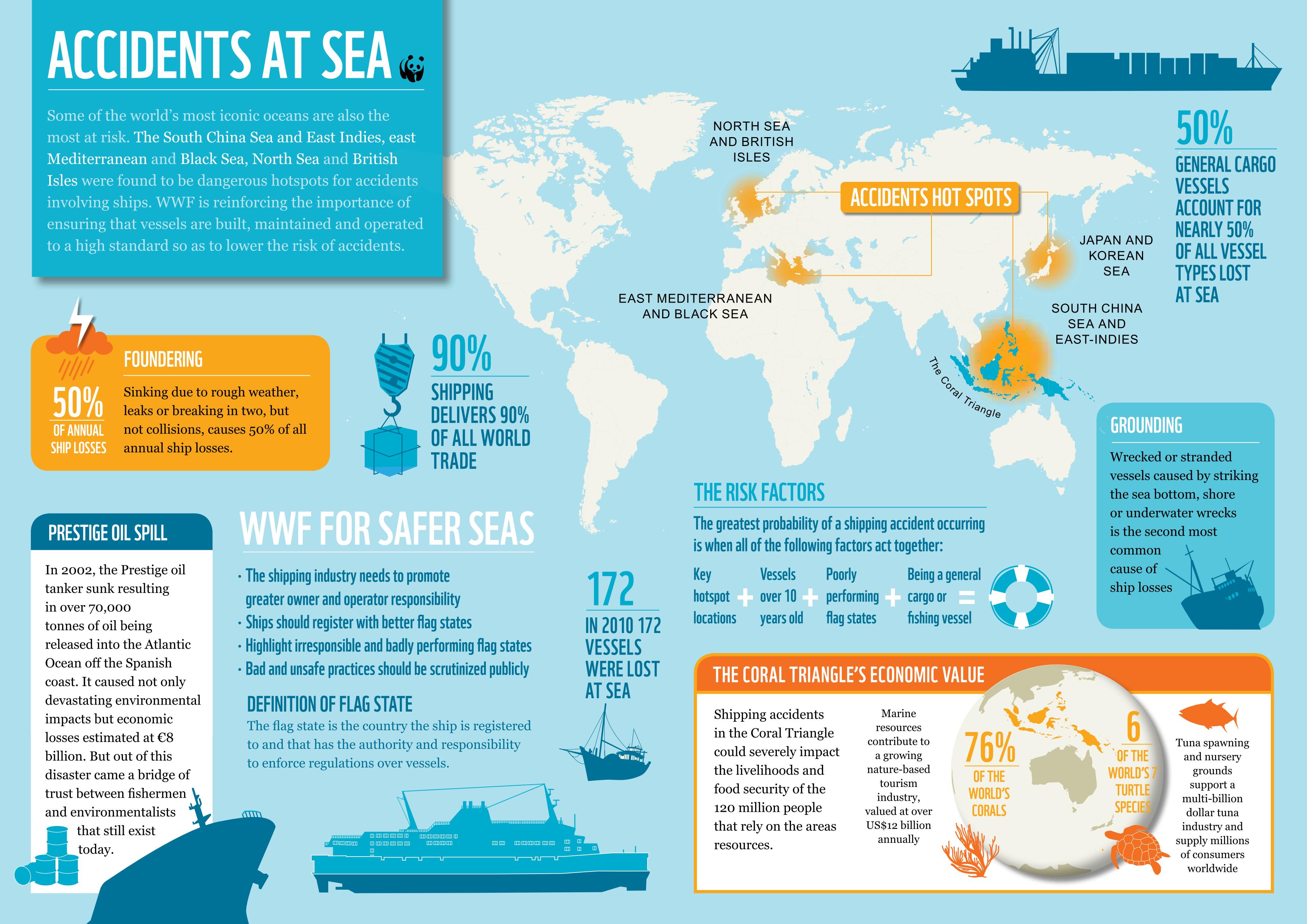
If you're wondering why the rhetoric suddenly shifted to power plants, look at the water. The Strait of Hormuz is the world's most important oil chokepoint. About 20% of the world's petroleum flows through that narrow gap. Right now, it’s effectively a ghost town. Shipping traffic has plummeted by nearly 95% since the war began on February 28.
Trump’s strategy is simple: he’s trying to break the blockade by threatening the one thing the Iranian regime needs to prevent total domestic collapse—electricity. But the Iranians are playing a different game. They’ve adopted a "selective access" model, letting some ships through while blocking anyone they label an enemy. It’s a mess that has left over 170 million barrels of crude stranded at sea, costing the global economy billions every week in storage and insurance premiums.
The Targets in the Crosshairs
When Trump says he’ll hit the "biggest one first," he’s likely looking at the Damavand Combined Cycle Power Plant near Tehran. It’s a 2,868 MW monster that keeps the capital running. Then there’s the Bushehr Nuclear Power Plant. Striking a nuclear site is a line that even the most aggressive administrations usually hesitate to cross, but in 2026, those old rules seem to be out the window.
Iran’s retaliation list is just as specific. They aren’t just looking at oil rigs. They’re targeting:
- Desalination plants in the UAE and Saudi Arabia that provide life-sustaining water to millions.
- IT infrastructure and data centers that manage regional logistics.
- U.S. military bases like Diego Garcia, which Iran already proved they could reach with long-range ballistic missiles just hours ago.
The irony here is thick. The U.S. Treasury recently issued a "waiver" to let countries buy Iranian oil already at sea to cool down prices. It was a move meant to use Iran's own oil against them. Tehran’s response? A digital shrug. They claimed they don't even have surplus oil to sell because the blockade they created has choked their own supply lines.
The Economic Toll at the Pump
For those of us not sitting in a war room, the impact is felt at the gas station. American households are already seeing a 23% hike in fuel costs. In Europe, the situation is even grimmer. Natural gas prices have nearly doubled because Qatar—a massive LNG exporter—has had to pull back under the threat of Iranian drone strikes.
We’re seeing a systemic collapse of the West Asian economic model. It’s not just about "expensive gas" anymore; it’s about the very real possibility of stagflation hitting the U.S. and Europe simultaneously. The International Energy Agency is calling this the "greatest threat to energy security in history," and they aren't exaggerating. The amount of energy currently paralyzed in the Gulf dwarfs the disruptions we saw during the 1970s oil embargoes.
What Happens When the 48 Hours Are Up
Don't expect a quiet resolution. Trump is under immense pressure to show results before the midterms, and Iran is fighting for its very survival. If the U.S. actually starts "obliterating" power plants, the conflict stops being a localized war and becomes a global energy blackout.
The Iranian military has already shown it can bypass Israeli air defenses, as we saw with the recent strikes on Dimona and Arad. If they turn that capability toward the desalination plants that keep the Gulf states habitable, the humanitarian crisis will overshadow the energy crisis in days.
If you’re watching the markets, keep an eye on the 48-hour deadline expiring Monday at 23:44 GMT. If the Strait doesn't open, the next move won't be a diplomatic cable; it’ll be a Tomahawk missile headed for a turbine hall.
Next steps for tracking this crisis:
- Monitor the Brent Crude spot price for any sudden $10+ jumps, which usually precede military action.
- Watch for "Force Majeure" declarations from major regional energy players like QatarEnergy or Aramco.
- Check the daily tanker transit count through the Strait; anything below five ships a day means the blockade is holding.