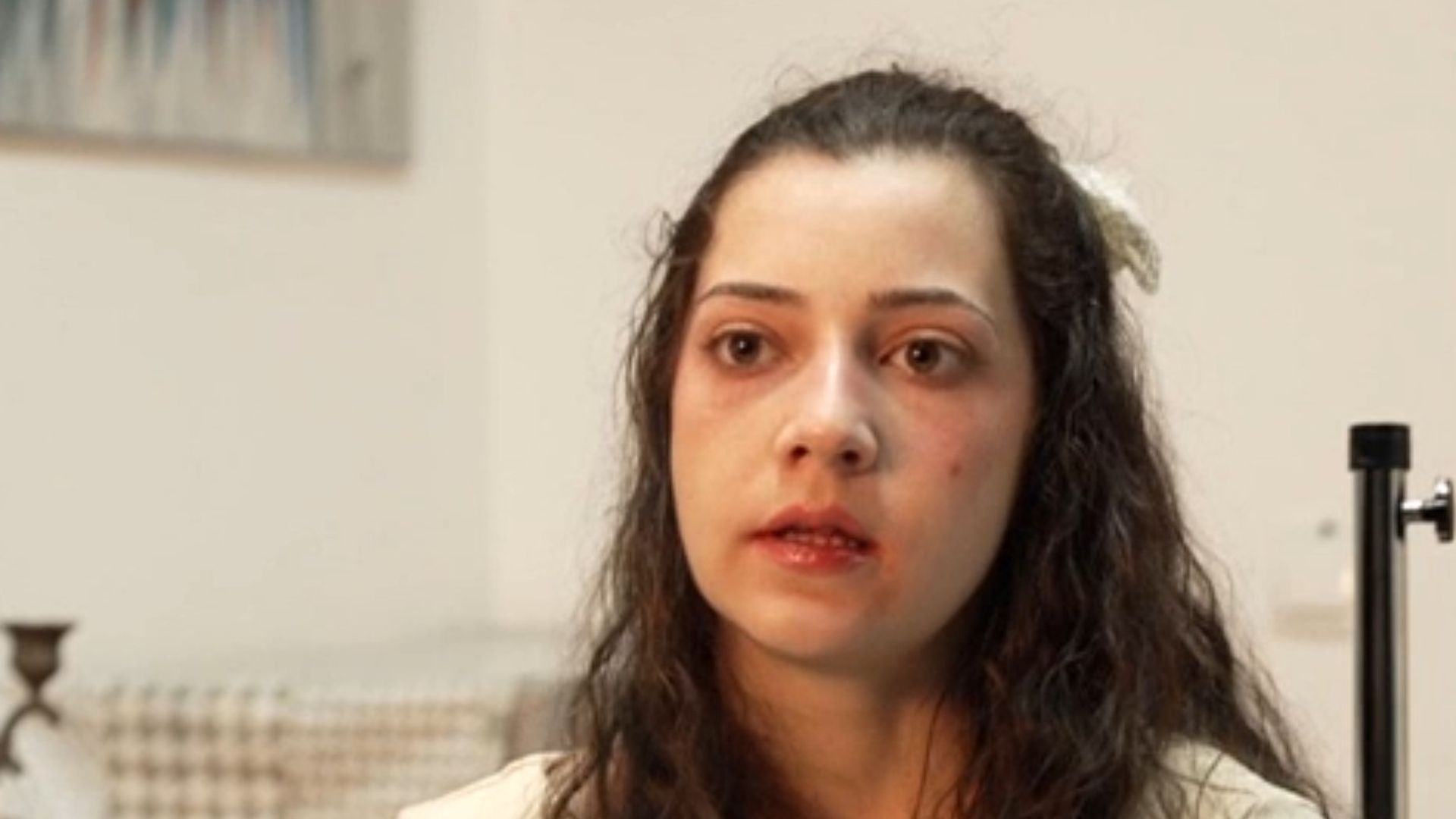
The legal battle over a young woman’s life in the Netherlands has finally reached a devastating conclusion. A 25-year-old woman, known in legal documents as Zoraya ter Beek, has been granted the right to end her life through euthanasia following a years-long struggle with severe mental health issues stemming from a horrific gang rape she suffered as a child. Her father’s desperate, last-minute legal challenge to block the procedure failed in the Dutch courts, clearing the way for a case that has reignited a fierce global debate over the ethics of assisted dying for psychiatric suffering.
This isn't just another headline about "liberal European laws." It's a story about the limits of human endurance and the gut-wrenching intersection of trauma, law, and bodily autonomy. When we talk about euthanasia, we usually picture elderly patients with terminal cancer. This case flips that script. We're looking at a young woman whose body is physically healthy but whose mind, according to her and her doctors, is "unbearably and hopelessly" broken.
The Dutch Legal Framework and the Father’s Plea
The Netherlands became the first country to legalize euthanasia in 2002. Since then, the criteria have remained strict, though the application has expanded to include mental suffering. For a request to be granted, physicians must be convinced the patient’s suffering is unbearable with no prospect of improvement. There must be no other reasonable alternative.
Zoraya’s father didn't see it that way. He argued that his daughter, despite her diagnosis of chronic depression, anxiety, and borderline personality disorder, still had the potential for recovery. He believed that the trauma of the gang rape she endured at age 15 had created a darkness that could eventually be lifted with the right experimental treatments or simply more time.
His legal team argued that the state was essentially giving up on a young citizen. They claimed that by green-lighting her death, the medical board was validating her hopelessness rather than treating it. But the court disagreed. The judges ruled that Zoraya had undergone every conceivable therapy over the last decade. They found she possessed the mental capacity to make the decision and that her "request was voluntary and well-considered."
Why Mental Health Euthanasia is Different
Most people feel a natural, visceral resistance to the idea of a 25-year-old dying by choice. We like to believe that youth equals resilience. We tell ourselves that things "always get better." But for survivors of extreme sexual violence, the neurological impact can be permanent.
In cases of complex PTSD, the brain’s amygdala—the alarm system—is often stuck in a permanent "on" position. This isn't just feeling sad. It's a physiological state of terror that persists for years. Zoraya described her life as a constant cycle of flashbacks and "black holes." To her, the euthanasia wasn't a "choice" in the way we choose a career or a house. It was a release from a prison of memory.
The Dutch Euthanasia Review Committee reports that while thousands of people receive assisted dying annually, only a tiny fraction—usually less than 1%—are for psychiatric reasons. It’s a grueling process. It involves multiple independent doctors, psychiatric evaluations that can last years, and a level of scrutiny that terminally ill physical patients often bypass.
The Slippery Slope vs Compassionate Autonomy
Critics of the ruling, including many international disability rights groups, argue this sets a dangerous precedent. They worry that if we start euthanizing people for mental pain, we stop investing in the social and medical infrastructure needed to save them. If a society finds it cheaper or easier to assist a suicide than to provide lifelong intensive care, have we lost our way?
On the other side, proponents argue that forcing someone to live in agony is a form of state-sponsored torture. If we respect a person’s right to refuse chemotherapy, why don't we respect their right to refuse another thirty years of psychological torment? Honestly, it’s a question with no "clean" answer.
The Dutch system relies on the "Due Care" criteria. These aren't suggestions; they're legal mandates.
- The physician must be satisfied the request is voluntary.
- The suffering must be unbearable.
- The patient must be informed of their situation and prospects.
- There must be no other reasonable solution.
- At least one other independent physician must see the patient.
In Zoraya’s case, the court found every single box was checked. Even so, the emotional weight of a father losing his daughter to the law is something that shouldn't be dismissed. He isn't a villain; he's a parent who wanted his child to stay. But the Dutch law prioritizes the individual's experience of their own pain over the family's desire for them to remain alive.
The Impact of Early Childhood Trauma
Research into the long-term effects of gang rape and early sexual violence shows a massive correlation with treatment-resistant depression. When trauma occurs during the formative years of brain development, it rewires how a person processes safety and joy.
Experts in the field of traumatology often point out that "recovery" is a spectrum. For some, it means living a functional life alongside their pain. For others, the weight of the trauma is so heavy that functionality becomes impossible. Zoraya had reportedly tried everything from cognitive behavioral therapy to intensive medication regimens. She wasn't a "casual" seeker of this path. She was someone who had exhausted the medical system.
Dealing with the Ethics of the Aftermath
Now that the legal hurdles are cleared, the procedure will likely take place in the coming weeks. It typically happens at the patient’s home. A doctor administers a sedative followed by a drug that stops the heart. It’s quiet. It’s clinical.
For the rest of the world, the debate won't end when Zoraya passes. It will likely intensify. Countries like Canada are currently wrestling with similar expansions of their MAID (Medical Assistance in Dying) laws. The core issue remains: how do we protect the vulnerable from making a permanent decision during a temporary crisis, while also respecting the rights of those for whom the crisis is anything but temporary?
If you want to understand the current state of mental health advocacy or legal ethics, you need to look at the specifics of the Dutch "SCEN" doctors (Support and Consultation on Euthanasia in the Netherlands). These are the physicians who provide the second opinions. Their reports in these cases are often hundreds of pages long, detailing every failed attempt at healing.
The most practical thing any observer can do is look past the inflammatory headlines. This isn't about "death on demand." It's about a legal system that has decided, for better or worse, that mental pain can be just as terminal as physical disease. Whether you agree with that or not, Zoraya’s story forces us to confront what we actually owe to survivors of the worst kinds of violence.
If you are following this case or similar developments in medical ethics, you should focus on the annual reports from the Regional Euthanasia Review Committees (RTE) in the Netherlands. They provide the most transparent data on how these laws are actually being applied and where the "near misses" occur. Understanding the actual data is the only way to move the conversation beyond pure emotion.