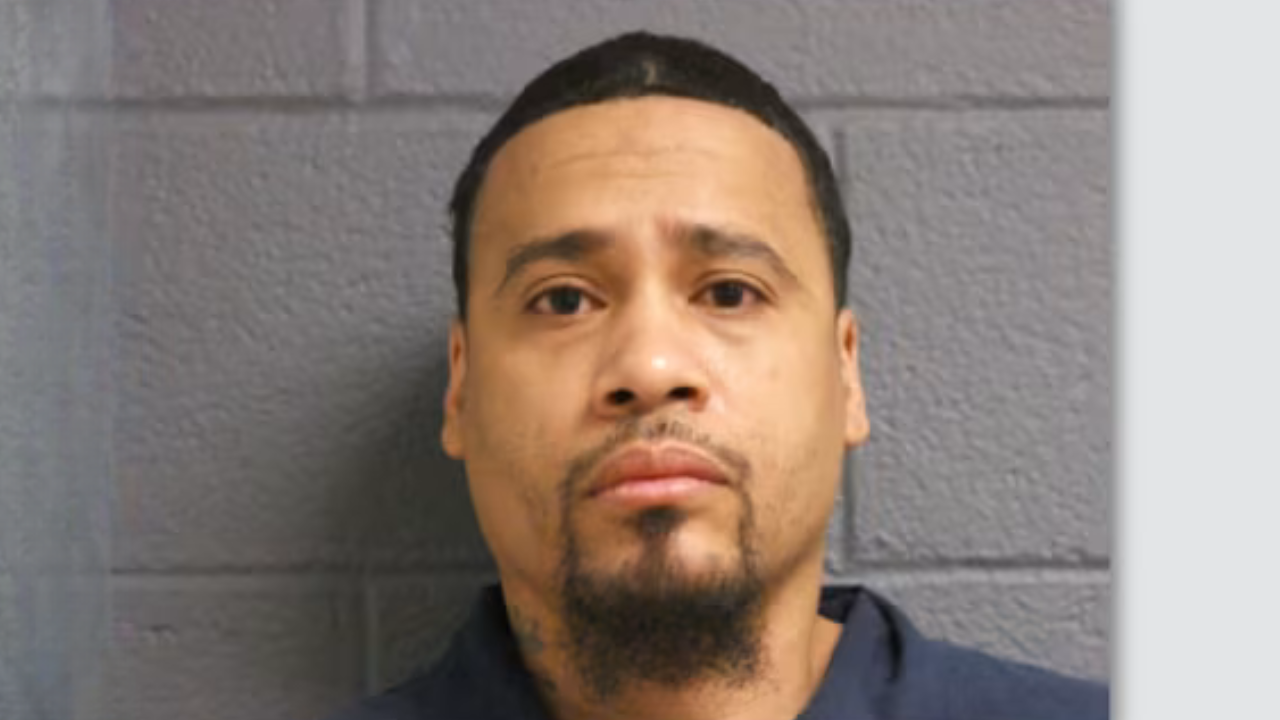
The headlines are predictable. They read like a sigh of relief. Jarvis Butts, the man convicted of the horrific murder of 13-year-old Na’Ziyah Harris, found dead in his cell just two weeks after a judge handed down his sentence. The public comments sections are already a cesspool of "good riddance" and "justice served."
They are wrong.
When a high-profile predator dies behind bars before the ink on his sentencing papers is even dry, the system hasn't won. It has collapsed. We are witnessing the lazy consensus of "street justice" masking a massive institutional failure. If you think a dead convict equals a closed case, you aren't paying attention to how the machinery of the law actually functions—or fails to.
The Myth of Closure Through Mortality
The media loves the word "closure." It’s a convenient narrative arc that lets editors move on to the next tragedy. But for the family of Na’Ziyah Harris, and for a community rattled by the abduction and murder of a child, a dead defendant is a black hole, not a period at the end of a sentence.
True justice requires the long, grueling process of accountability. It requires the state to maintain custody of the individual they fought so hard to convict. When an inmate dies within fourteen days of arrival at a state facility, it suggests one of three things: institutional negligence, a total breakdown in mental health screening, or a security lapse that allowed for extrajudicial violence.
None of those outcomes should be celebrated.
I have spent years watching the legal system grind people down. I have seen the way "suicide watch" in American prisons is often just a euphemism for a cage with a different name. If Butts took his own life, the state failed to preserve him for the punishment they deemed necessary. If he was killed, the state failed to maintain the rule of law within its own walls.
The Cost of a Missing Appeal
Here is the nuance the "eye for an eye" crowd misses: An appeal is not just a gift for the defendant. It is a stress test for the prosecution’s case.
By dying two weeks into his term, Jarvis Butts has effectively frozen the legal record. In many jurisdictions, if a defendant dies while an appeal is pending, the conviction can be vacated under the doctrine of abatement ab initio. While this varies by state, the legal reality is that a dead man cannot defend his record, and a dead man cannot provide the finality of a completed sentence.
We have traded a decade or two of guaranteed incarceration—where the facts of the case are solidified and the victim's family is shielded by the permanence of the bars—for a sudden, chaotic end that leaves more questions than answers.
- Who failed to monitor him?
- Was there a breach in protocol?
- Does this death trigger a civil liability that will cost taxpayers millions?
When you cheer for a dead inmate, you are cheering for a system that cannot even keep its most high-profile prisoners alive long enough to serve their time. That isn't "tough on crime." It's incompetent.
Stop Asking if He Deserved It
The "People Also Ask" sections are currently flooded with variations of "Did Jarvis Butts deserve to die?"
You’re asking the wrong question. Moral deservingness is a philosophical debate for a barroom, not a legal standard for a functioning society. The real question is: Why was he allowed to die?
If we believe in the gravity of the crimes committed against Na’Ziyah Harris, then we should believe in the gravity of the punishment. A two-week "stint" is a mockery of the life that was taken. It is the ultimate escape. He bypassed the decades of reflection, the loss of autonomy, and the weight of his actions. He took the coward’s exit, and the Department of Corrections held the door open for him.
I’ve seen this play out in dozens of administrative segments. The "correctional" aspect of the system is a myth. We have created warehouses where the most volatile elements of society are dumped, and we act surprised when the result is a corpse.
The Hidden Danger of Celebration
When the public celebrates the death of a prisoner like Butts, it provides political cover for failing prison administrators. It tells them that they don't need to fix the crumbling infrastructure of our jails. It tells them that if a "monster" dies on their watch, no one will come looking for the paperwork.
But the "monsters" aren't the only ones in there.
The same negligence that leads to the death of a child killer leads to the death of the mentally ill teenager held on a shoplifting charge. The same guard who looks the other way when a high-profile target is cornered in the showers is the same guard who ignores a medical emergency in a low-level wing.
You cannot have a "selective" rule of law. You either protect the life of the prisoner to ensure they face the full measure of their sentence, or you admit that the prison system is just a state-funded gladiator pit.
The Reality of the "Short Sentence"
Imagine a scenario where every person convicted of a heinous crime died within two weeks of sentencing. Would you call that a success?
Of course not. It would be an international scandal. It would suggest that the state has lost the ability to carry out the very judgments its courts hand down.
The Jarvis Butts case was a tragedy from the moment Na’Ziyah Harris disappeared. It remained a tragedy through the trial. And it is a tragedy now, because the finality we were promised was swapped for a cheap, unearned ending.
Don't let the "good riddance" narrative blind you to the fact that the state just lost control of the narrative. They lost the chance to prove that the law is stronger than the criminal. Instead, they let the criminal have the last word.
If you want justice, stop rooting for the morgue. Start demanding that the prisons actually do the job of holding the people we send there. Anything less is just a taxpayer-funded execution by proxy, shrouded in the convenient silence of a prison cell.
The case isn't closed. It’s just broken.