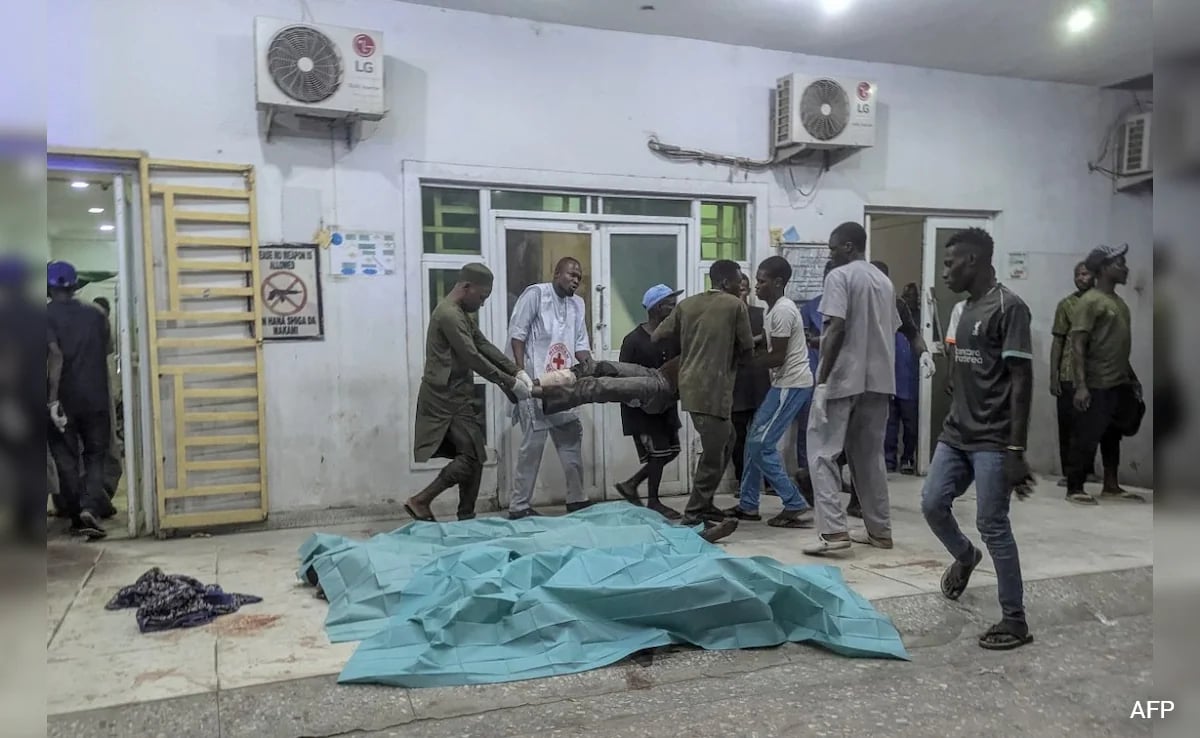
Terror has a way of finding the most vulnerable moments to strike. In Gwoza, a town in Nigeria’s Borno State that has already seen more than its fair share of blood, it happened during a wedding. Then at a funeral. Then at a hospital. When the dust settled on that horrific Saturday in late June 2024, at least 23 people were dead and over 100 others were fighting for their lives in overstretched medical wards.
This wasn't just another random act of violence. It was a coordinated, clinical display of cruelty that utilized a tactic we’ve seen before but hoped was fading: the use of female suicide bombers.
If you’ve been following the insurgency in Northeast Nigeria, you know Gwoza carries a heavy symbolic weight. It was once the "headquarters" of the Boko Haram caliphate before the military took it back in 2015. But as these latest attacks prove, "taking it back" on a map doesn't mean the ideology or the cells have vanished. We need to stop pretending that territorial gains equal total security.
How the Gwoza Attacks Unfolded
The nightmare began at a crowded wedding celebration. A woman carrying a baby on her back—a sight so common it draws zero suspicion—detonated an improvised explosive device (IED) right in the middle of the festivities. It's a level of depravity that’s hard to wrap your head around. Using a child as a prop to bypass security isn't just a tactical choice; it’s a psychological war on the very concept of trust.
Shortly after the wedding blast, as the community rushed to bury the dead and mourn, another bomber struck at the funeral. Then came the third attack at a local hospital.
The strategy is clear. Strike, wait for the first responders and mourners to gather, and strike again. It’s designed to maximize the body count and paralyze the community’s ability to grieve or recover. Barkindo Saidu, the director general of the Borno State Emergency Management Agency (SEMA), confirmed the grim statistics. Among the dead were children and pregnant women. These weren't "collateral damage." They were the targets.
Why Female Suicide Bombers are Surging Again
You might wonder why groups like Boko Haram or ISWAP (Islamic State West Africa Province) keep using women. Honestly, it’s because it works.
Security forces in Nigeria are often culturally hesitant to body-search women, especially those carrying infants or wearing traditional hijabs. The insurgents know this. They exploit these cultural norms and the inherent "softness" associated with motherhood to deliver lethal payloads into the heart of civilian life.
It’s a massive failure of intelligence and local policing. We've seen this play out for over a decade. Since 2014, when the first female suicide bomber was recorded in Nigeria, hundreds of women and girls have been used this way. Most aren't willing participants. They’re victims of abduction, radicalization, or extreme coercion. When we talk about these "attackers," we have to remember they’re often just another category of victims in this conflict.
The Reality of Security in Borno State
The Nigerian government often claims the insurgents are "technically defeated" or "on the back foot." The Gwoza attacks make those claims look ridiculous.
While the military has successfully pushed many fighters into the Sambisa Forest or the Lake Chad islands, the transition from conventional warfare to guerrilla-style urban terrorism is complete. You can’t fight a suicide bomber with a fighter jet. It requires boots on the ground, high-level human intelligence, and a level of community trust that currently doesn't exist.
The infrastructure in Gwoza is fragile. The local hospital, which was targeted, is one of the few places people can go for basic care. By hitting these spots, the insurgents ensure that the state looks weak and unable to protect its citizens.
What This Means for Regional Stability
Nigeria isn't an island. The instability in the Northeast regularly spills into Cameroon, Chad, and Niger. When Gwoza bleeds, the entire Lake Chad Basin feels the pulse.
The international community often looks away until something massive happens, but the steady drip of these "smaller" multi-stage attacks is what actually hollows out a country. Over 2 million people remain displaced in this region. Attacks like this ensure they stay in IDP (Internally Displaced Persons) camps, too afraid to go home and farm. This creates a cycle of poverty and hunger that makes radicalization even easier for the next generation.
We have to look at the funding. Where are the materials for these IEDs coming from? How are these women being moved through checkpoints without detection? There's a level of complicity or extreme incompetence that hasn't been addressed.
Breaking the Cycle of Terror
Stopping these attacks isn't about more roadblocks. It’s about dismantling the recruitment networks.
Local leaders in Gwoza and surrounding areas need more than just a military presence. They need the authority and resources to monitor who is entering and leaving their communities. We also need a massive overhaul of how security forces interact with the female population. This doesn't mean violating rights; it means using female security officers who can conduct respectful but thorough searches in high-risk zones.
The survivors in Gwoza are currently dealing with physical injuries that will leave them scarred for life. But the psychological trauma is worse. Imagine being afraid to go to a wedding or a funeral because you think a mother with a baby might explode. That's the reality for millions of Nigerians right now.
If you want to support the victims, look toward organizations like the International Committee of the Red Cross (ICRC) or local Nigerian NGOs specifically focused on the Northeast. They are the ones on the ground when the headlines fade, providing the blood bags and the trauma counseling that the government often fails to deliver. Stay informed, stay skeptical of "mission accomplished" speeches, and remember that for the people of Gwoza, the war isn't over—it’s just changed its face.