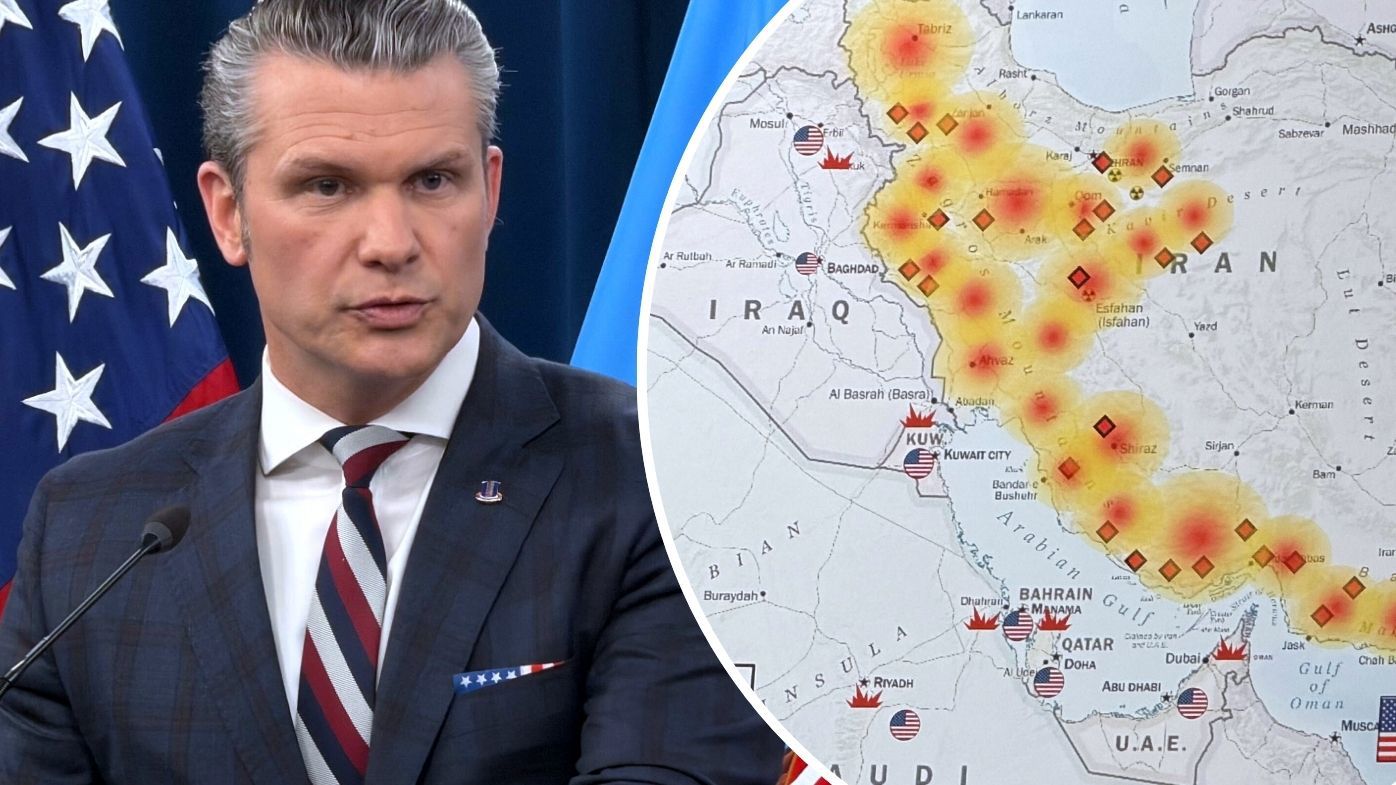
The traditional security arrangement between the Gulf monarchies and the United States is fraying. It’s not just a diplomatic spat or a temporary cooling of relations. It’s a fundamental realization that the old guard of regional stability isn't what it used to be. For decades, the deal was straightforward: American military protection in exchange for a predictable flow of global energy supplies. That deal is basically dead.
Gulf leaders are now looking at a world where American attention is elsewhere. They see the pivot to the Indo-Pacific. They watch the domestic chaos in Washington that makes long-term foreign policy commitments look shaky. When you rely on a partner who might change their entire regional strategy every four or eight years, you're not playing a secure game. You’re gambling.
The Myth Of Absolute Security
We’ve operated under the assumption that the U.S. security umbrella was ironclad. It wasn't. The real truth, which Gulf states are finally admitting to themselves, is that American interests aren't always aligned with theirs. Take the 2015 Iran nuclear deal, the Joint Comprehensive Plan of Action. Leaders in Riyadh and Abu Dhabi watched with absolute horror as the Obama administration engaged with their primary regional rival. They felt blindsided. They felt sold out.
That moment changed everything. It forced a pivot toward a more transactional foreign policy. If the United States won't guarantee regional containment of Iran, then the Gulf states will do it themselves. They’ve begun hedging their bets with China and, to a lesser extent, Russia. This isn't necessarily about abandoning Washington. It’s about building a portfolio of relationships that can survive the whims of American internal politics.
Beijing Is A Pragmatic Alternative
China doesn't care how you run your country. That’s a massive selling point. Where American diplomacy often comes with lectures on human rights or governance, Chinese trade deals focus strictly on infrastructure, technology, and energy security.
Look at the role China played in brokering the restoration of ties between Saudi Arabia and Iran in 2023. That was a direct message to the West. It proved that Beijing could succeed where Washington had been unable or unwilling to exert influence for years. The Gulf states aren't looking to swap one master for another. They are smart enough to know that having China as a primary trading partner while keeping the U.S. as a security guarantor is the ideal balance. They want to be the hub, not the spoke, of global power dynamics.
Managing The Iranian Reality
The security situation hasn't improved. If anything, it’s gotten more dangerous. Iran’s influence, from Iraq through Syria to Lebanon and Yemen, remains the single most pressing issue for Gulf capitals. For a long time, they waited for the U.S. to solve the problem. They realized that waiting is a losing strategy.
Now, we see direct communication channels being opened between Gulf officials and Tehran. They are attempting a policy of de-escalation because they know a full-scale conflict would ruin their economic diversification projects. Saudi Arabia’s Vision 2030 isn't compatible with a regional war. Building cities in the desert requires peace. You can't attract foreign investment when your infrastructure is a potential target for drone strikes.
The Economic Dimension Of Independence
Energy policy is the most obvious sign of this shift. OPEC+ decisions, often coordinated closely with Russia, have frustrated officials in Washington who wanted lower oil prices to curb inflation. But why should Saudi Arabia or the UAE prioritize the electoral needs of an American president over their own national budgets?
They shouldn't. They’re running businesses on a national scale. They need high oil prices to fund their massive infrastructure spending. This isn't anti-Americanism. It’s just cold, hard, profit-driven economics. When the U.S. government pressures them to pump more, they see an attempt to interfere with their sovereign financial health. They're done with that.
Why This Matters For You
If you’re watching global markets, don't expect the Gulf to fall back into line. The era of the "special relationship" is being replaced by a multipolar reality. You’ll see more independent actions from these nations, more direct deals with Asian powers, and a continued cooling of military reliance on the West.
To track how this evolves, keep your eyes on three specific markers:
- Military Procurement: Look for more contracts going to European or Asian defense firms, diluting the U.S. monopoly on regional hardware.
- Infrastructure Ties: Notice the deepening of digital and physical infrastructure projects backed by Chinese tech giants.
- Diplomatic Autonomy: Watch for how often Gulf states abstain from Western-led sanctions or coalitions that don't directly benefit their own stability.
Don't wait for a grand policy announcement from Washington or Riyadh. The change is happening in the mundane, day-to-day decisions of ministers and trade representatives. It’s a slow, quiet reorientation of the map. The Gulf isn't breaking away, but they are making sure that if the U.S. decides to leave, the floor doesn't fall out from under them. They are finally prioritizing their own survival above the comfort of their allies.