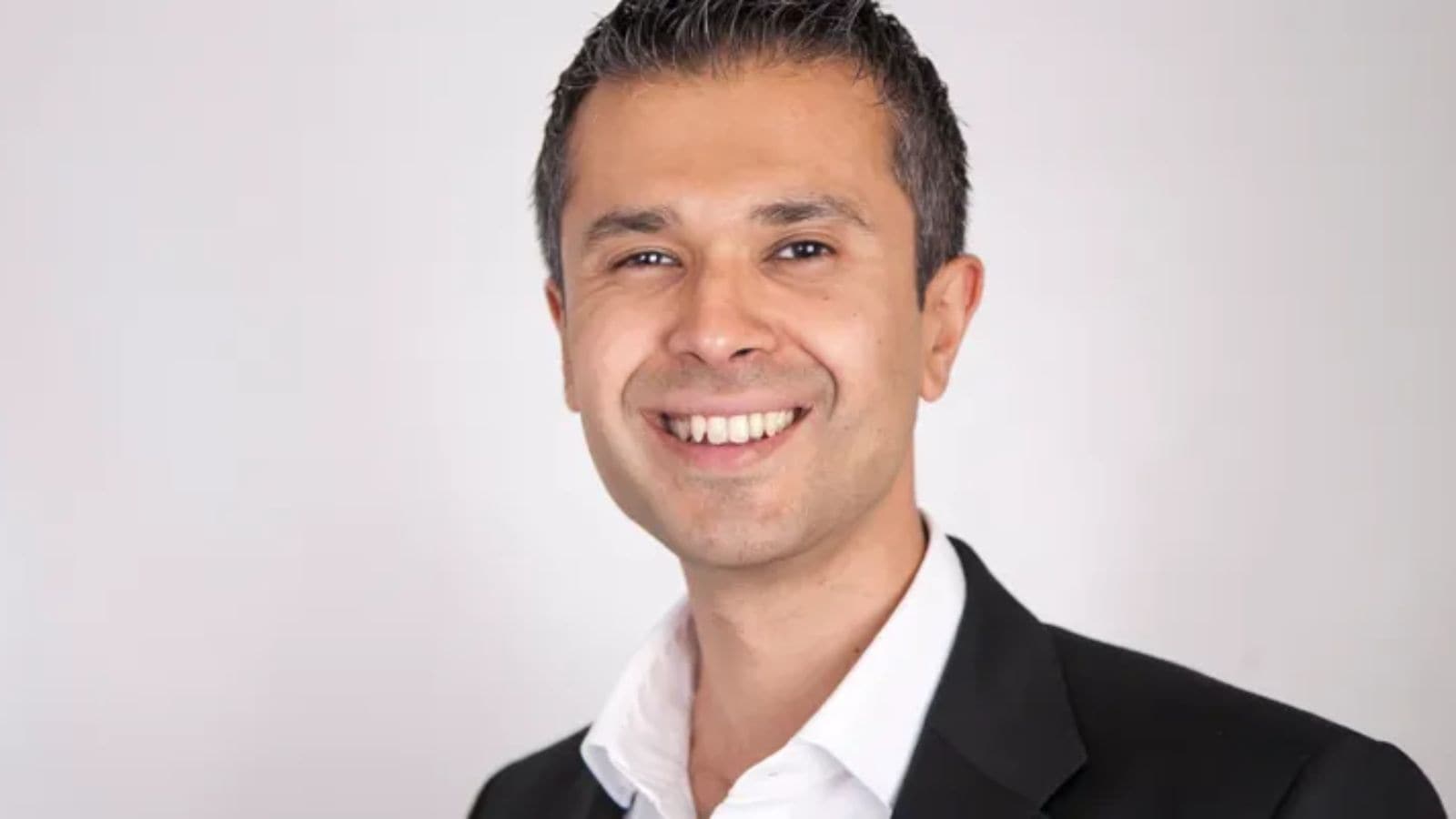
Dr Sam White didn't expect a short social media video to upend his entire career. He’s a General Practitioner from Hampshire who stepped into a massive legal and ethical storm after posting a clip expressing concerns about the safety of Covid-19 vaccines and the ethics of the UK’s pandemic response. Suddenly, a man who spent years treating patients was facing a suspension from the General Medical Council (GMC). He wasn't just losing his job. He was fighting for his right to call himself a doctor.
This isn't just about one man's opinion on a jab. It's about whether a medical professional in the UK is allowed to disagree with the government without losing their livelihood. When we talk about "informed consent," we usually mean the patient. But what happens when the doctor feels they can't give that consent because they aren't allowed to discuss the risks? You might also find this connected article useful: The $2 Million Mirage Why Your Breakthrough Drug is a Financial Time Bomb.
The High Court Battle for Free Speech
The GMC originally hit White with an 18-month set of restrictions. They told him he couldn't post about the pandemic on social media. It was a gag order, plain and simple. White didn't take it lying down. He took the GMC to the High Court in late 2021, and he actually won that round.
Mr Justice Ritchie ruled that the GMC’s decision was "vague" and "disproportionate." The judge pointed out that the GMC had basically ignored White’s right to freedom of expression under the Human Rights Act. It was a massive win for those who believe that science requires open debate, not enforced silence. But the victory was short-lived. The GMC didn't just walk away. They pivoted. Instead of a social media ban, they moved toward a full-blown fitness to practise investigation. That’s where the real danger lies. As discussed in detailed coverage by Mayo Clinic, the implications are widespread.
Professional Standards versus Personal Conscience
The core of the GMC’s argument is that doctors have a duty to maintain public trust. If a doctor says something that contradicts official public health advice, the GMC argues it undermines that trust and could lead to patients making "dangerous" decisions. It’s a paternalistic view. It assumes you can't handle hearing two different medical opinions and deciding for yourself.
White’s stance is different. He argues his primary duty is to the Hippocratic Oath—to do no harm. In his view, pushing a medical intervention while downplaying potential side effects is a violation of that oath. He’s raised points about the lack of long-term data and the specific risks of myocarditis, especially in younger men. These aren't fringe theories anymore. Even the NHS and the CDC eventually updated their guidance to acknowledge these risks. Yet, when White said it early on, it was treated as professional heresy.
The Cost of Breaking Rank
Fighting the medical establishment is expensive. It’s exhausting. White has talked openly about the "hell" of the last few years. He’s been reliant on crowd-funding and the support of groups like the Workers of England Union.
Most doctors won't speak up. I’ve talked to many who feel the same way White does but stay quiet because they have mortgages and families. They see what’s happening to him and they get the message. Keep your head down. Follow the "Green Book" (the UK’s immunization manual). Don't ask questions. This creates a dangerous echo chamber. If every doctor is afraid to report a side effect or question a policy, the "official data" becomes a self-fulfilling prophecy. It looks perfect because nobody is allowed to say it isn't.
Scientific Consensus is a Moving Target
We’re told to "follow the science." But science isn't a static set of rules. It’s a process of constant questioning. Look at the history of medicine. We used to think lobotomies were a breakthrough. We thought Thalidomide was perfectly safe for morning sickness. We only found out they weren't because doctors and researchers were allowed to be "wrong" until they were proven right.
By punishing White, the GMC is essentially saying that "The Science" is whatever the government says it is at 9:00 AM on a Tuesday. If you disagree, you’re "misinformed." Then, six months later, when the policy changes, you aren't "vindicated"—you’re just forgotten. This tribunal process against White isn't just checking if he’s a good doctor. It’s checking if he’s a compliant one.
What Happens if the GMC Wins
If the GMC successfully strips Sam White of his licence, it sets a chilling precedent. It means the regulator is no longer just about clinical competence. It becomes a thought police for the medical world. You could be the most skilled surgeon or the most empathetic GP in the country, but if your tweets don't line up with the Department of Health, you're out.
That should worry you, regardless of how you feel about vaccines. Today it's Covid. Tomorrow it could be diet advice, mental health treatments, or climate change. Once you give a regulatory body the power to revoke a licence based on "off-message" speech, you've lost the independent medical profession. You just have a group of state-sanctioned health administrators.
How to Protect Your Medical Autonomy
You need to be your own advocate. Don't assume that because a doctor is saying something, it’s the only view available. And don't assume that because a doctor is not saying something, they don't have concerns.
- Ask your GP for the "Yellow Card" data on any new medication. This is the UK’s system for reporting suspected side effects.
- Read the patient information leaflets yourself. Don't rely on the thirty-second summary you get in the consultation.
- Support organizations that defend legal rights and free speech in medicine.
- If you find a doctor who is willing to have an honest, nuanced conversation about risks and benefits, value them. They are becoming a rare breed.
The case of Dr Sam White is still unfolding. It’s a messy, polarized fight. But at its heart, it’s about a very simple question. Who owns your health—you, your doctor, or the state? If the answer is anyone other than you, we have a serious problem.