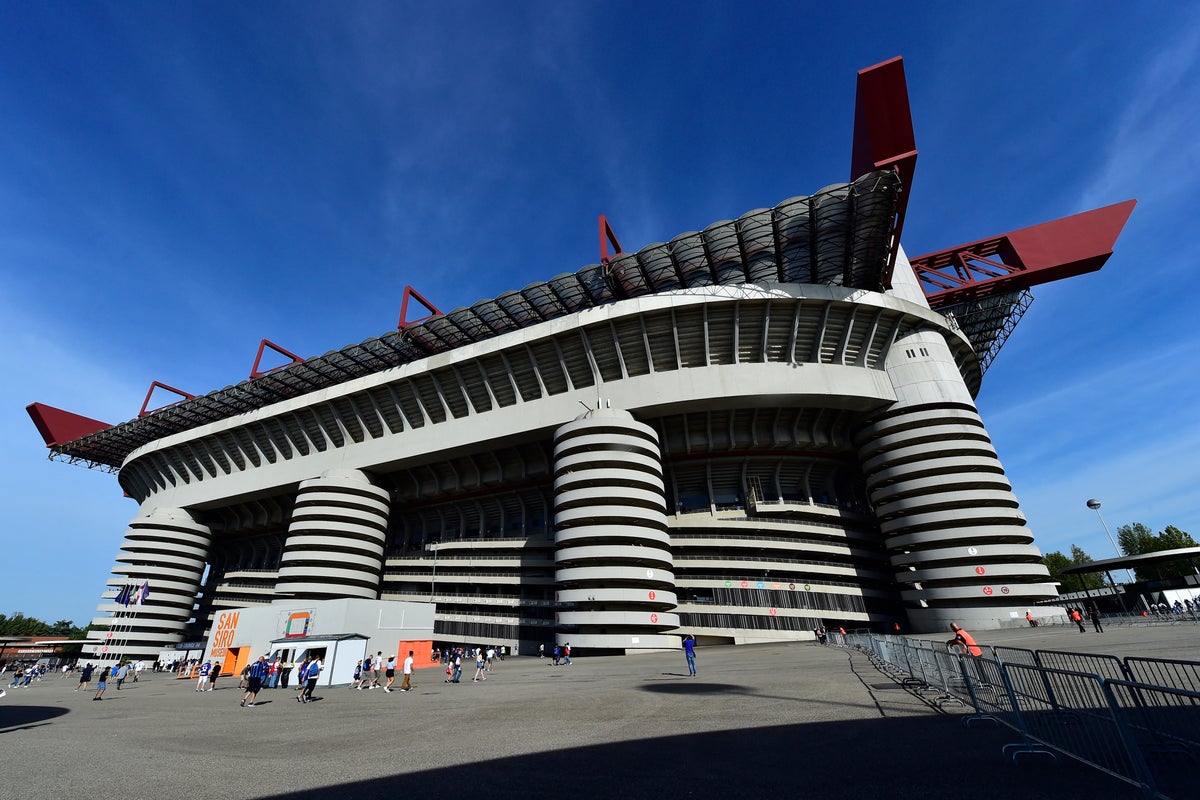
The rain in N17 has a specific weight to it. It isn't just water; it is a damp, grey pressure that settles into the concrete of the High Road, soaking into the scarves of people who have spent forty years waiting for a feeling they can’t quite define anymore. When you walk toward the stadium—that shimmering, billion-pound vessel of glass and steel—you aren’t just looking at a sports venue. You are looking at a cathedral built on the hope that eventually, the soul of the club will match the brilliance of the architecture.
But souls are fragile things. They are built on identity, on a shared understanding of what is right and what is "Tottenham." And right now, that soul is in the middle of a cold, quiet mutiny. Meanwhile, you can find related developments here: The Structural Anatomy of Elite Athletic Attrition.
The news didn't arrive with a shout. It arrived with the clinical precision of a press release, but the ripples it sent through the Tottenham Supporters’ Trust (THST) felt like a tectonic shift. The message was clear: they cannot, and will not, support the appointment of Roberto De Zerbi. To the casual observer, or the data analyst staring at a spreadsheet in a darkened room, this looks like madness. De Zerbi is the tactical darling of Europe. He is the man who turned Brighton into a kaleidoscope of brave, vertical football. He is, by all traditional metrics, a "winner" in waiting.
Yet, the fans are saying no. To understand why, you have to look past the league table and into the eyes of the person sitting in Block 252, the one who remembers the "Tottenham Way" not as a marketing slogan, but as a blood oath. To see the bigger picture, we recommend the detailed analysis by FOX Sports.
The Shadow of the Courtroom
Football is increasingly a game played in two places at once: on the grass and in the legal briefs. When the name De Zerbi began to circulate through the corridors of the Tottenham Hotspur Stadium, it brought with it a heavy trunk of baggage. We aren't talking about tactical rigidity or a preference for a back three. We are talking about the integrity of the game itself.
Consider the hypothetical supporter—let's call him Arthur. Arthur has been coming to this patch of London since the days when the grass was mostly mud and the players lived in the same neighborhoods as the fans. For Arthur, a manager isn't just a tactical architect; he is the moral compass of the club. When news broke regarding the ongoing legal and ethical scrutiny surrounding certain figures in the game—including the shadows of investigations that have touched De Zerbi’s previous associations—the alarm bells didn't just ring; they deafened.
The Supporters’ Trust isn't being difficult for the sake of it. They are acting as the last line of defense for a club that has spent the last decade flirting with an identity crisis. They look at the prospect of an appointment that brings even a whiff of controversy or legal instability and they see a gamble they aren't willing to take. It isn't about whether the man can coach a 4-2-3-1. It is about whether he can stand in the technical area without the fans having to check the news for updates on a court case in Italy or a financial probe in Ukraine.
The Invisible Stakes of Trust
Trust is a currency that takes years to earn and seconds to incinerate. For the Spurs board, the temptation is always the "New Shiny Thing." The board sees a manager who can bridge the gap to the Champions League. They see revenue. They see a brand.
But the fans? They see a legacy.
When the THST issued their statement, they weren't just critiquing a coaching choice. They were drawing a line in the sand about what kind of institution Tottenham Hotspur intends to be. We live in an era where football clubs are being hollowed out, turned into mere "content providers" for global audiences. In that process, the local connection—the feeling that the club belongs to the people who walk to the ground—is often the first thing to be sacrificed.
By opposing De Zerbi, the Trust is making a radical argument: that character matters more than trophies. That how you win is just as important as if you win. It is a brave stance in a sport that usually sells its grandmother for a shot at a domestic cup.
A History of Bruises
To understand the vehemence of the opposition, you have to remember the bruises. This is a fanbase that has been through the wringer. They watched the sterile, joyless eras of managers who didn't "get" them. They endured the flirtation with the European Super League, a move that felt like a knife in the back of every season ticket holder.
They are tired.
When you’ve been let down by the people in charge of your heart's primary occupation, you become hyper-vigilant. You start looking for the "catch." With De Zerbi, the Trust sees a catch that could compromise the very fabric of the club’s reputation. They aren't interested in the "project" if the project requires them to look the other way when difficult questions are asked about the manager's history or the company he keeps.
It is a clash of philosophies. On one side, the pragmatists who believe that football is a results business and that moral purity is a luxury for losers. On the other, the romantics and the guardians who believe that if you lose your integrity, the trophy cabinet is just a collection of expensive junk.
The Silence from the Boardroom
The most agonizing part of this narrative isn't the disagreement itself; it is the silence that follows. The board operates in a realm of NDAs and high-finance maneuvers. The fans operate in a realm of songs, cold pies, and Saturday afternoons. When these two worlds collide, the impact is usually felt by the supporters, who are expected to simply open their wallets and shut their mouths.
But the THST is refusing to play the part of the silent partner. Their refusal to support the appointment is a signal to Daniel Levy and the hierarchy that the "customer" has evolved into an "owner of the spirit." They are demanding transparency. They are demanding a manager who isn't just a tactical genius, but a person who can represent the badge without a footnote.
Imagine the first home game under a cloud of controversy. The air is thick, not with the usual pre-match electricity, but with a simmering resentment. Every loss becomes an indictment of the board’s morality. Every win is tainted by the "but" that hangs over the manager's head. That is the future the Trust is trying to prevent. They want a clean slate. They want a manager they can be proud of when the cameras aren't rolling.
The Weight of the Badge
There is a specific kind of pride in being a "Spurs man." it’s a bit masochistic, sure, but it’s rooted in a desire for flair and a certain nobility. The appointment of De Zerbi, in the eyes of the Trust, feels like a departure from that nobility. It feels like another corporate decision made in a vacuum, ignoring the cultural DNA of the community.
The stakes aren't just three points on a Saturday. The stakes are the next twenty years of the club’s story. If you compromise now, where does it stop? If you accept a manager with a questionable shadow today because he plays "attractive football," what will you accept tomorrow? A betting firm as a stadium sponsor? A total relocation? The erosion of fan representation?
The THST is holding the line. They are reminding the world that a football club is not a franchise. It is a living, breathing entity composed of thousands of individual stories, all woven together by a common thread of loyalty. When that thread is threatened by an appointment that doesn't align with the community’s values, the community has no choice but to speak up.
The rain continues to fall over North London. The stadium glows, a silent titan in the dark. Inside, the lights are on in the executive suites, where men in expensive suits are likely looking at data points and contract clauses. But outside, on the streets, the conversation is different. It’s about more than football. It’s about the soul of a club that is tired of being treated like a secondary character in its own story.
The fans have spoken. Now, we wait to see if anyone is actually listening. Or if the machine will simply keep grinding forward, oblivious to the fact that it has lost the very people it was built to serve.
The empty seats at a Tuesday night game tell a story that no financial report can capture. They speak of a love that is being tested, a patience that is wearing thin, and a demand for a club that is as honorable as it is ambitious. The ghost in the machine isn't a glitch; it's the conscience of the faithful, and it refuses to be ignored.