The headlines are predictable. "Police Raid Milan Council." "San Siro Sale Under Investigation." The public eats it up because they love a good scandal involving suits, briefcases, and the alleged fleecing of taxpayers. They think this is a story about corruption. They think it’s about a shady real estate deal or a council that sold the crown jewels for a pittance.
They are wrong.
This isn't a crime story. It’s a funeral. What we are witnessing isn't the illegal sale of a stadium; it’s the desperate, messy, and inevitable liquidation of a relic that has been strangling the financial viability of AC Milan and Inter Milan for three decades. The "controversy" isn't that the price might be too low. The controversy is that we still expect world-class sporting institutions to operate out of a municipal museum while their European rivals build money-printing machines in London, Madrid, and Munich.
The Myth of the Public Good
The core of the "lazy consensus" surrounding the San Siro investigation is the idea that the stadium belongs to "the people" and any private sale is a theft from the citizenry. This is a romantic delusion that ignores the brutal balance sheet of modern football.
In Italy, the municipality owns the stadium. The clubs pay rent. On the surface, this sounds fair. In reality, it’s a parasitic relationship. The city of Milan has used the San Siro as a cash cow while reinvesting the bare minimum into its infrastructure. When the clubs want to modernize—to add the luxury boxes, digital integration, and retail spaces that actually drive revenue—they are met with a wall of bureaucratic red tape and "heritage" protections.
Here is the data the "preservationists" ignore: Matchday revenue at the San Siro is a fraction of what Tottenham Hotspur or Arsenal pull in. Why? Because the clubs don't own the dirt they play on. They can't optimize the space. They can't monetize the 300 days a year when there isn't a match. By keeping the stadium in public hands, the city isn't "protecting" a monument; it is ensuring that Milanese football remains a second-tier product on the global stage.
The Raid is a Bureaucratic Sideshow
The police raid on the council offices is being framed as a hunt for "hidden figures." In reality, it is likely the result of Italy’s notoriously opaque administrative laws. In a country where "Abuso d'ufficio" (abuse of office) is a catch-all charge used to paralyze any civil servant who dares to sign a contract, this investigation is a symptom of a broken system, not necessarily a broken deal.
I’ve seen this play out in dozens of infrastructure projects across Southern Europe. A developer tries to move at the speed of business, the council tries to move at the speed of politics, and the judiciary intervenes to move at the speed of a glacier. The "under-pricing" allegations usually stem from a fundamental misunderstanding of Residual Value.
- The Land Value: What is the dirt worth?
- The Demolition Cost: What does it cost to tear down a concrete giant in a dense neighborhood?
- The Opportunity Cost: What is the value of the 10 years of litigation required to actually build something new?
When you factor in the massive CAPEX (Capital Expenditure) required to turn that site into a modern sports district, the "discounted" price the council offered starts to look less like a bribe and more like a desperate attempt to keep the clubs from moving to the suburbs. Because if AC Milan and Inter actually leave for San Donato or Rozzano, the San Siro becomes a concrete ghost. It becomes a liability that the taxpayers—the very people the "investigation" claims to protect—will have to pay millions every year to maintain.
Why "Historic Preservation" is a Financial Suicide Note
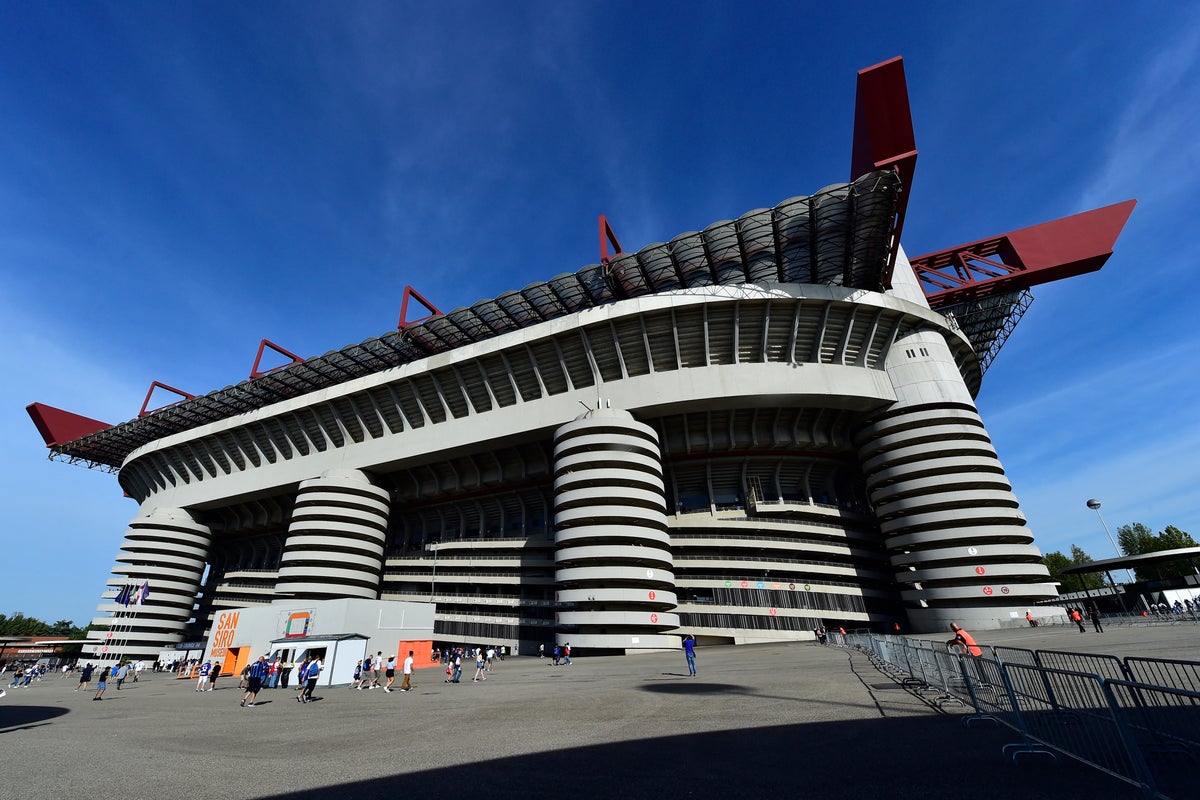
The loudest voices against the sale are the heritage hawks. They talk about the "Cathedral of Football." They cite the iconic 1990 World Cup towers. They treat the stadium like it’s the Duomo.
It isn't. It’s a tool.
Football at the elite level is no longer just a sport; it is a content production business. The San Siro, for all its atmosphere, is a terrible studio. The sightlines are suboptimal for modern broadcasting. The hospitality facilities are decades behind. The concourses are cramped.
When people ask "Can't they just renovate it?" they are asking the wrong question. Of course, you can renovate it. But at what cost? To bring the San Siro up to the standards of the Bernabéu or the Allianz Arena would cost more than building a new stadium from scratch, without any of the structural efficiencies.
We saw this with the Stadio della Roma project. Years of "negotiations," "environmental impact studies," and "heritage reviews" resulted in... nothing. The project died. The club remained stagnant. The city got zero investment. The San Siro "scandal" is the same movie, just with a different soundtrack.
The Uncomfortable Truth About Ownership
If you want to know why Italian football has fallen behind the Premier League, don't look at the players. Look at the balance sheets. In England, 18 out of 20 clubs own their stadiums. In Italy, it’s a handful.
Ownership allows for:
- Asset Securitization: You can't borrow against a stadium you don't own.
- Depreciation Schedules: Essential for tax optimization in multi-billion dollar enterprises.
- Controlled User Experience: From the grass quality to the temperature of the beer.
The San Siro sale wasn't a "shady deal." It was an attempt at a Life Support Maneuver. The RedBird and Oaktree ownership groups (the Americans currently holding the keys to the Milan clubs) aren't here for the pizza. They are private equity and distressed asset specialists. They know that without a stadium, the clubs are just high-priced vanity projects with a hard ceiling on their valuation.
The "People Also Ask" Trap
People ask: "Did the Mayor of Milan take a bribe?"
Answer: That’s the wrong question. Ask: "Is the Mayor of Milan incompetent for not selling this liability ten years ago?"
People ask: "Will the stadium be demolished?"
Answer: It should be. Keeping it as a "monument" is a tax on the future of the city.
People ask: "Why can't the clubs just share a new stadium?"
Answer: Because the "San Siro Model" of ground-sharing is a relic of a pre-commercial era. Rivalry requires identity, and identity requires your own front door.
The Risks of My Own Argument
I’m not saying there is zero corruption. In any billion-euro deal involving Italian municipalities, the risk of "facilitation payments" is never zero. But focusing on the legality of the sale price is a red herring. Even if the sale happened at a "perfectly fair" market price, the underlying problem remains: the Italian state’s obsession with controlling sports infrastructure is killing the very thing they claim to love.
If this investigation succeeds in scuttling the sale, the winners won't be the taxpayers. The winner will be the status quo. The loser will be the city of Milan, which will be left with two aging clubs looking for the nearest exit ramp to a municipality that actually understands the 21st century.
Stop looking for the smoking gun in the filing cabinet. The real crime is the fact that it took a police raid to make people realize that the San Siro is a sinking ship, and the clubs are finally tired of bailing out the water.
The era of the "Municipal Stadium" is over. Burn the blueprints. Sell the land. Let the clubs build, or let the league die.
Choose one.