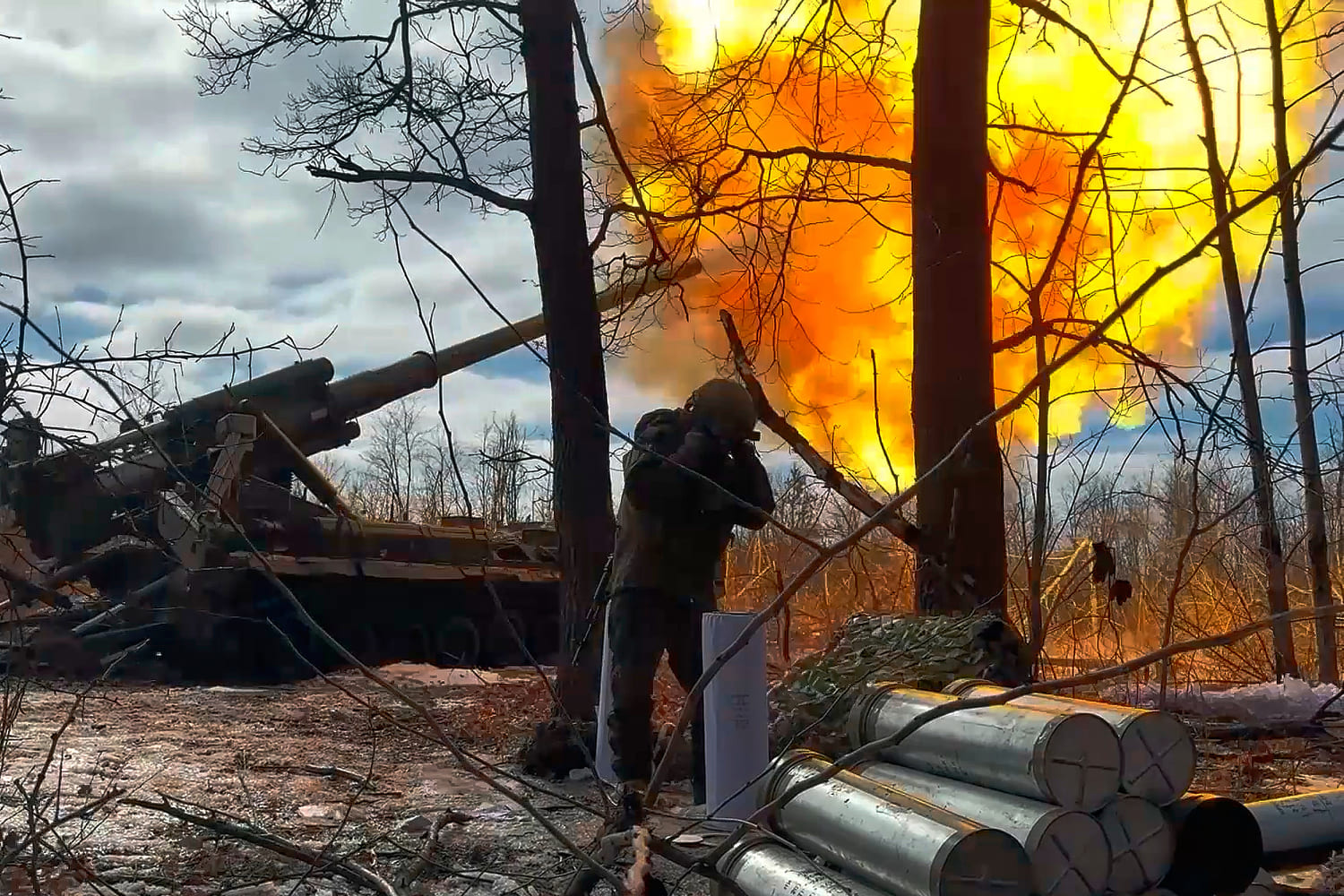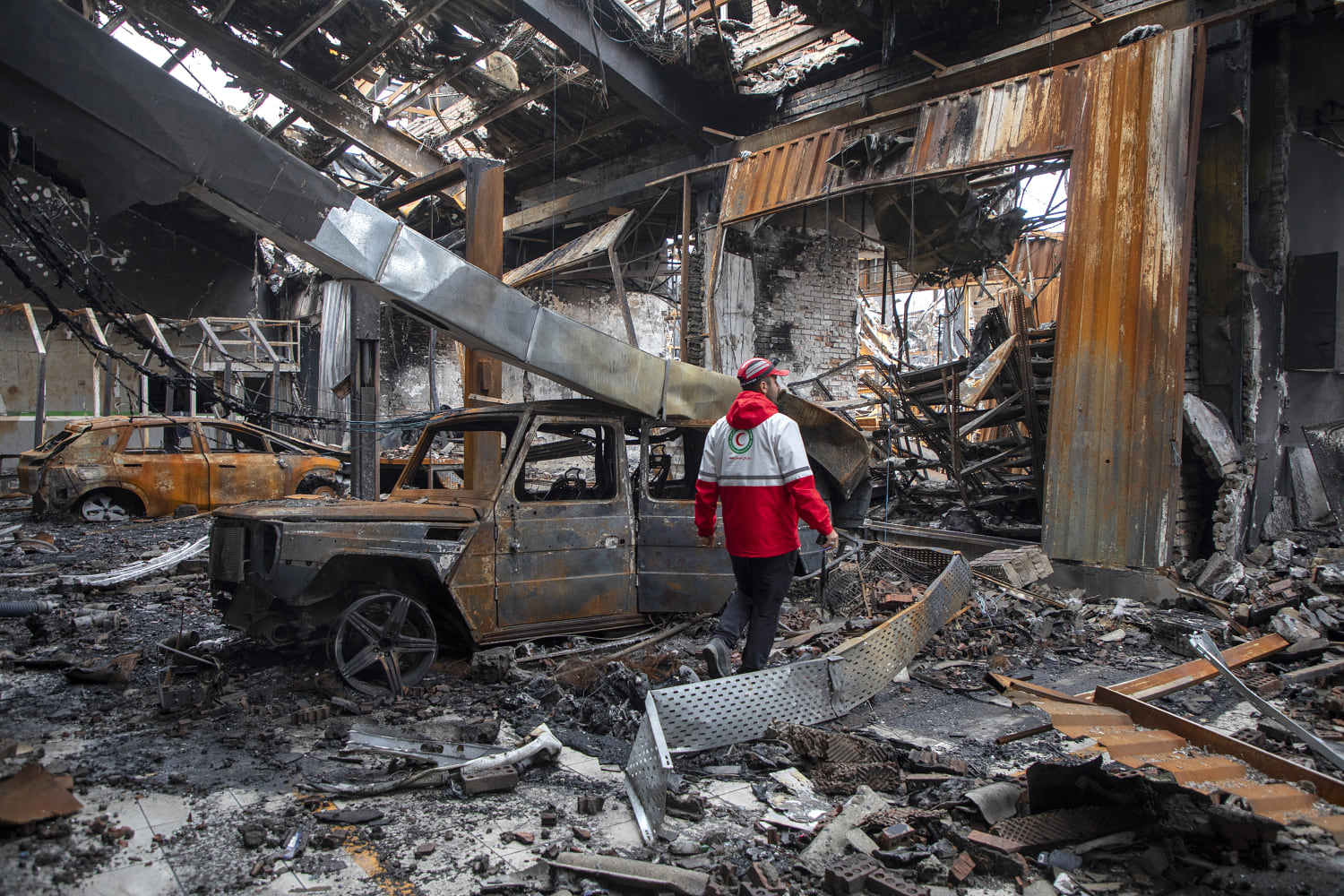
The deployment of 3,500 U.S. troops to the Persian Gulf represents a calculated adjustment in regional force posture rather than a definitive precursor to a ground offensive. To interpret this movement as a binary signal of war or peace ignores the mechanical realities of strategic deterrence and the logistics of escalation. When Iran claims to be "waiting" for a ground assault, it is engaging in a psychological framing exercise designed to consolidate domestic support and test the resolve of international coalitions. A rigorous analysis of this friction requires deconstructing the deployment into its operational components: the force composition, the theater geometry, and the threshold for kinetic engagement.
The Calculus of Kinetic Thresholds
Military deployments in the Middle East function within a "Red Line" framework where each asset added to the theater changes the cost-benefit analysis for both the hegemon and the regional challenger. The arrival of 3,500 personnel—a brigade-sized element—is insufficient for a sustained ground invasion of a nation with Iran's geographic complexity and mobilized paramilitary reserves. Instead, this force acts as a tripwire mechanism.
The strategic utility of this deployment follows three distinct vectors:
- Point Defense Reinforcement: Protecting high-value assets (HVA) such as desalination plants, oil terminals, and existing forward operating bases that are vulnerable to asymmetric drone or missile strikes.
- Logistical Hardening: Establishing the "iron mountain" of supplies necessary to sustain high-tempo air or naval operations should the conflict escalate beyond the current gray-zone status.
- Political Signaling: Demonstrating to regional allies that the U.S. remains committed to the status quo, thereby preventing these allies from pursuing independent—and potentially destabilizing—security arrangements.
Iran’s rhetoric regarding a "waiting" posture is a defensive cognitive operation. By framing the U.S. as the inevitable aggressor, Tehran shifts the burden of escalation onto Washington. This creates a strategic paradox: the more the U.S. builds up its presence to deter an Iranian strike, the more it reinforces the Iranian narrative of imminent Western aggression, which Iran then uses to justify its own "defensive" escalations.
Force Projection vs. Force Sustenance
A common error in geopolitical commentary is equating troop count with intent. In modern warfare, the Force Multiplier Index is more relevant than raw numbers. The 3,500 troops are likely heavy in logistics, signals intelligence (SIGINT), and air defense capabilities.
The Infrastructure of Deterrence
The Gulf theater is defined by its maritime bottlenecks, specifically the Strait of Hormuz. Any U.S. ground movement must be preceded by total maritime and aerial supremacy. The deployment of these troops supports this by:
- Expanding Anti-Access/Area Denial (A2/AD) Bubbles: Integrating Patriot or THAAD batteries to neutralize Iran’s short-range ballistic missile (SRBM) inventory.
- Enhancing Rapid Response Units: Providing the manpower to secure coastal infrastructure against fast-attack craft or naval mines.
- Intelligence Fusion: Manning the sophisticated sensors required to track mobile missile launchers inside Iranian territory.
The cost function of maintaining this force is substantial. The U.S. must weigh the opportunity cost of diverting these resources from the Indo-Pacific theater against the immediate need to stabilize energy markets. If the deployment remains static for more than six months without a clear objective, it risks becoming a "sunk cost" that provides Iran with a predictable target set for low-level harassment.
Iranian Defensive Doctrine and the Asymmetric Buffer
Iran’s military strategy is not built on winning a conventional head-to-head clash. It is built on Strategic Depth and Mosaic Defense. When Iranian officials speak of "waiting," they are referencing a pre-planned mobilization of internal security forces designed to make any ground entry prohibitively expensive in terms of casualties and political capital.
The Three Pillars of Iranian Resistance
- Proximal Deterrence: The use of "Axis of Resistance" partners in Lebanon, Iraq, and Yemen to strike U.S. interests outside the immediate zone of conflict, thereby forcing the U.S. to dilute its focus.
- Geographic Attrition: Leveraging the Zagros Mountains and vast urban centers to draw conventional forces into a decentralized, long-term insurgency.
- Economic Hostage-Taking: The ability to disrupt 20% of the world’s oil flow with relatively low-cost assets (mines and drones), creating a global inflationary spike that undermines Western domestic support for the war.
The arrival of 3,500 U.S. troops does not solve the problem of economic hostage-taking. It only provides a marginally better shield for specific land-based targets. The fundamental vulnerability of global energy transit remains a variable that cannot be solved by a brigade-level deployment.
The Logic of the Proxy Feedback Loop
The risk of miscalculation is heightened by the Agency Problem inherent in proxy warfare. While the U.S. and Iran may wish to avoid a direct kinetic exchange, their respective local partners often have divergent incentives.
A strike by a local militia on a U.S. base—even one not explicitly ordered by Tehran—could trigger a retaliatory cycle that forces the 3,500 newly arrived troops into combat. This creates a slippery slope mechanism where the presence of more targets (U.S. troops) increases the probability of an incident that necessitates an "escalate to de-escalate" response.
Quantification of Risk Metrics
To measure the likelihood of a transition from posturing to conflict, analysts must monitor three primary indicators:
- Ammunition Pre-Positioning: The movement of Class V supplies (munitions) is a more accurate indicator of offensive intent than the arrival of personnel. Personnel can be used for training or defense; massive ordnance stockpiles are only for war.
- Civilian Evacuation Protocols: The issuance of "Authorized Departure" orders for non-essential embassy personnel is a prerequisite for high-intensity conflict.
- Cyber-Kinetic Integration: An uptick in state-sponsored cyberattacks against critical infrastructure usually precedes physical strikes by 48 to 72 hours, serving as a "softening" phase.
Strategic recommendation: Force Posture Optimization
The U.S. must avoid the trap of Incrementalism. Sending 3,500 troops is enough to provoke but not enough to prevail in a total theater war. The current strategy should be pivoted from a defensive "shield" posture to a Dynamic Force Employment model.
Instead of static basing, which allows Iran to refine its targeting coordinates, the U.S. should utilize high-mobility units that can cycle through different regional ports and airfields. This creates tactical ambiguity, forcing Iranian planners to constantly re-evaluate their strike packages and reducing the efficacy of their drone and missile swarms.
For Iran, the optimal play remains "Strategic Patience." By maintaining a high state of readiness without initiating a strike, they force the U.S. to maintain an expensive, high-alert presence that eventually degrades equipment and exhausts personnel. The "waiting" is not passive; it is an active attempt to win the war of attrition before a single shot is fired.
The next move for observers is to track the Sealift Command data. If large-scale vehicle transporters begin moving toward the Gulf, the 3,500 troops were the vanguard. If no heavy armor follows within 30 days, the deployment is a temporary political instrument intended to stabilize the current stalemate rather than break it.