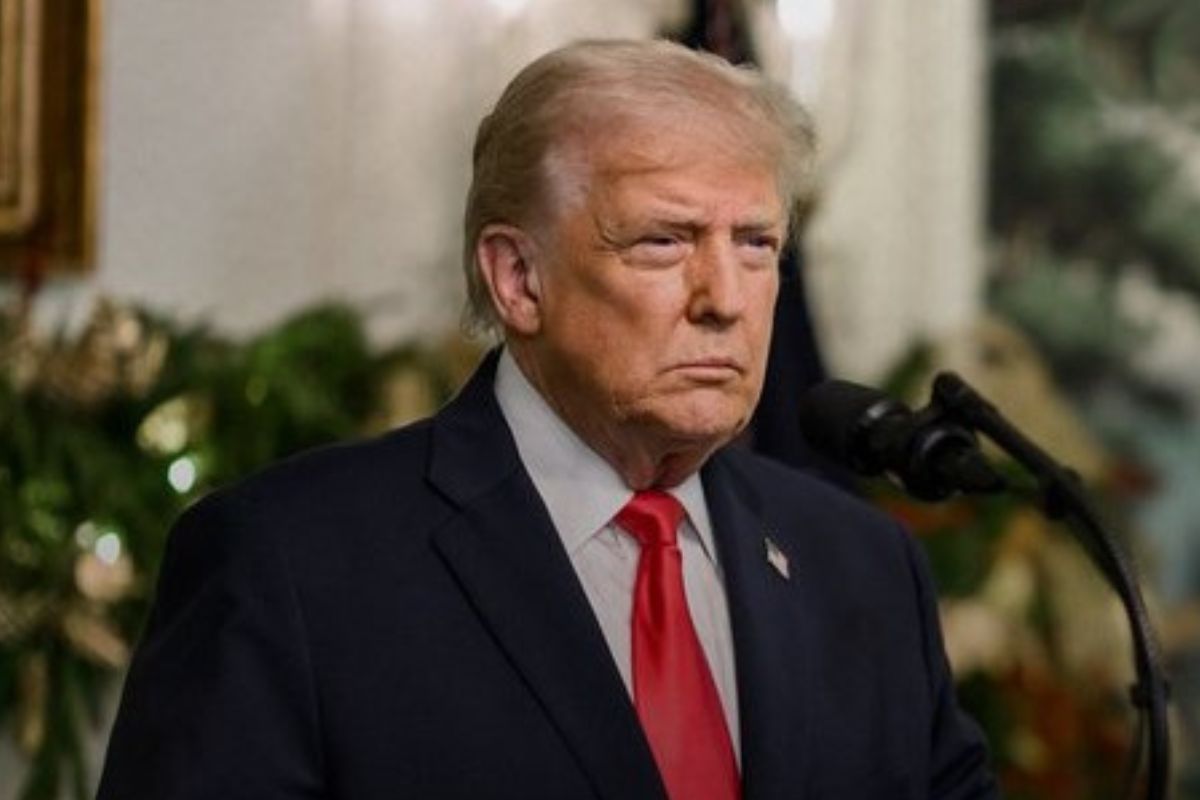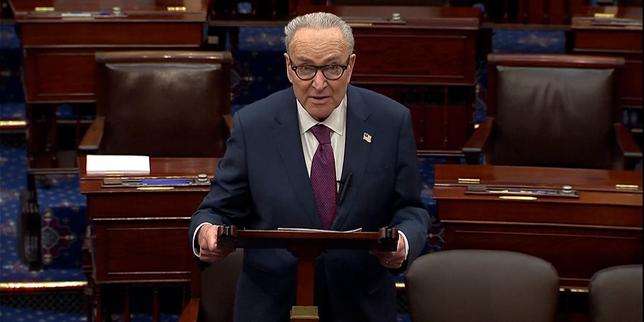
The internal American opposition to unilateral kinetic action against Iran is not merely a partisan reflex; it is a critique of the breakdown in the Integrated Strategic Deterrence model. When the executive branch bypasses legislative consultation to initiate strikes, it shifts the operational burden from a collective "Grand Strategy" to a high-risk "Tactical Gamble." This friction point centers on the tension between Article II executive authority and the War Powers Resolution of 1973, creating a domestic legal bottleneck that adversaries exploit to gauge American resolve and internal cohesion.
The Tri-Axis Failure of Unilateral Strikes
To understand why the Democratic leadership views these strikes as a strategic deficit, one must analyze the three specific axes of failure they identify in the current administration’s methodology.
1. The Deterrence Paradox
Deterrence requires a credible threat coupled with a clear off-ramp. If an actor—in this case, Iran—perceives that strikes will occur regardless of their behavior, the incentive to de-escalate vanishes. This is the Certainty of Escalation trap. Democratic critics argue that without a diplomatic channel to verify compliance, kinetic strikes become an infinite loop of retaliation rather than a corrective measure.
2. The Alliance Deficit
Unilateralism operates on a diminishing returns scale. Each strike conducted without the explicit backing of NATO or regional partners (like Iraq or the GCC) increases the diplomatic friction coefficient. This isolationism allows Iran to frame the conflict as "US Aggression" rather than "International Law Enforcement," effectively handing a soft-power victory to Tehran in the UN General Assembly and among Middle Eastern populations.
3. The Congressional Prerogative and Fiscal Oversight
The US Constitution’s separation of powers serves as a risk-mitigation tool. By bypassing Congress, the administration eliminates the "National Consensus" filter. This creates a precarious fiscal environment where long-term military engagements are funded through emergency appropriations rather than structured, long-range defense budgets, leading to operational inefficiency.
The Mechanics of Kinetic Escalation
Military action against Iranian assets follows a predictable but dangerous physics of escalation. The logic of the strikes often ignores the Asymmetric Response Variable. While the US possesses conventional superiority, Iran utilizes a network of proxies—the "Axis of Resistance"—to exert pressure where the US is most vulnerable: global energy markets and maritime choke points.
- The Strait of Hormuz Constraint: Approximately 20% of the world's liquid petroleum passes through this 21-mile wide waterway. Any strike that triggers an Iranian mining operation or "swarm" boat attack introduces a global inflationary shock.
- The Cyber-Kinetic Bridge: Modern warfare is no longer siloed. A physical strike in Isfahan or Tehran is frequently met with a state-sponsored cyber-offensive targeting US critical infrastructure, such as the electrical grid or financial clearinghouses.
- The Proxy Saturation Point: Using Hezbollah in Lebanon or the Houthis in Yemen, Iran can force the US into a multi-theater conflict. This forces the Pentagon to reallocate resources away from the Indo-Pacific—the primary theater for containing China—thereby compromising the broader National Defense Strategy.
Quantifying the Policy Gap
The current debate highlights a fundamental disagreement on the Value of the Status Quo. The administration views the status quo as an unacceptable accumulation of Iranian influence. Conversely, its critics view the status quo as a manageable, albeit flawed, equilibrium that prevents a total regional conflagration.
The "Maximum Pressure" campaign operates on the assumption that economic and military stress will force a regime collapse or a return to the negotiating table on much harsher terms. However, historical data on sanctions-heavy regimes suggests that such pressure often triggers a "Rally Round the Flag" effect, strengthening the hardline factions within the IRGC (Islamic Revolutionary Guard Corps) and marginalizing the pragmatic elements who might favor a renewed JCPOA (Joint Comprehensive Plan of Action).
The Intelligence-Action Disconnect
A primary concern voiced by the House Intelligence and Foreign Affairs committees involves the "Threshold of Imminence." Under international law, a preemptive strike is only legal if an attack is truly imminent.
The administration’s failure to share granular intelligence with the "Gang of Eight" (the top leaders of both parties in both houses) creates a trust deficit. If the intelligence is interpreted through a political lens rather than an empirical one, the risk of a "Mistake of Fact" strike—similar to the pre-2003 Iraq assessments—becomes an existential threat to US credibility.
Operational Constraints of the War Powers Resolution
The 1973 resolution requires the President to notify Congress within 48 hours of committing armed forces to hostilities and to terminate such action within 60 days unless Congress declares war. Democratic strategists argue that the "Short-Duration Strike" loophole is being abused to conduct what is essentially a long-term air campaign without the legal mandate required for sustained combat.
Structural Vulnerabilities in Global Energy Logistics
When the US conducts strikes, it fundamentally alters the Risk Premium for global shipping insurers. This is not a localized military event; it is a global economic disruption.
- Hull Insurance Spikes: Within 24 hours of a strike, insurance premiums for tankers in the Persian Gulf can rise by 10% to 25%.
- Supply Chain Rerouting: Vessels choosing to bypass the region and round the Cape of Good Hope add 10 to 14 days to transit times, increasing fuel consumption and late-delivery penalties.
- Petrodollar Volatility: Sharp increases in oil prices strengthen the currencies of energy exporters but cripple emerging markets, leading to potential debt defaults in the Global South.
Strategic Reorientation: The Path of Containment
The alternative to the current cycle of "Strike and Retaliate" is a return to a Multilateral Containment Framework. This requires a shift from kinetic dominance to diplomatic and economic encirclement that involves the following components:
- The Re-Internationalization of Sanctions: Moving away from unilateral US sanctions back to a UN-led framework that prevents "Leakage" through secondary markets in Asia and Russia.
- Regional Security Architecture: Building a defensive missile shield that integrates Israeli, Saudi, and Emirati sensors. This creates a defensive "Hard Shell" that reduces the necessity for offensive "First Strikes."
- The Transparency Initiative: Declassifying intelligence related to Iranian proxy movements in real-time to strip Tehran of plausible deniability, allowing the international community to apply coordinated pressure.
The current trajectory indicates that without a formalized "Communication Protocol" between Washington and Tehran—similar to the Cold War-era "Red Phone"—a single tactical miscalculation by a mid-level commander could trigger a regional war that neither side's economy is equipped to sustain.
The strategic imperative now is to transition from an "Action-Reaction" loop into a "Rules-Based Deterrence" model. This involves setting clear "Red Lines" that are communicated privately to the adversary, backed by a unified domestic front, and supported by a coalition of regional stakeholders. Failure to synchronize military action with these diplomatic and legal requirements ensures that the US will continue to spend high-value munitions on low-value tactical targets while losing the broader strategic competition for Middle Eastern stability.
The final move is the immediate establishment of a bipartisan oversight commission to codify the "Imminence" standard for Article II strikes. This prevents the executive branch from operating in a legal vacuum and restores the constitutional balance necessary for a coherent and sustainable foreign policy. Without this internal correction, the US risks a permanent state of undeclared war that erodes its democratic institutions and its global standing simultaneously.