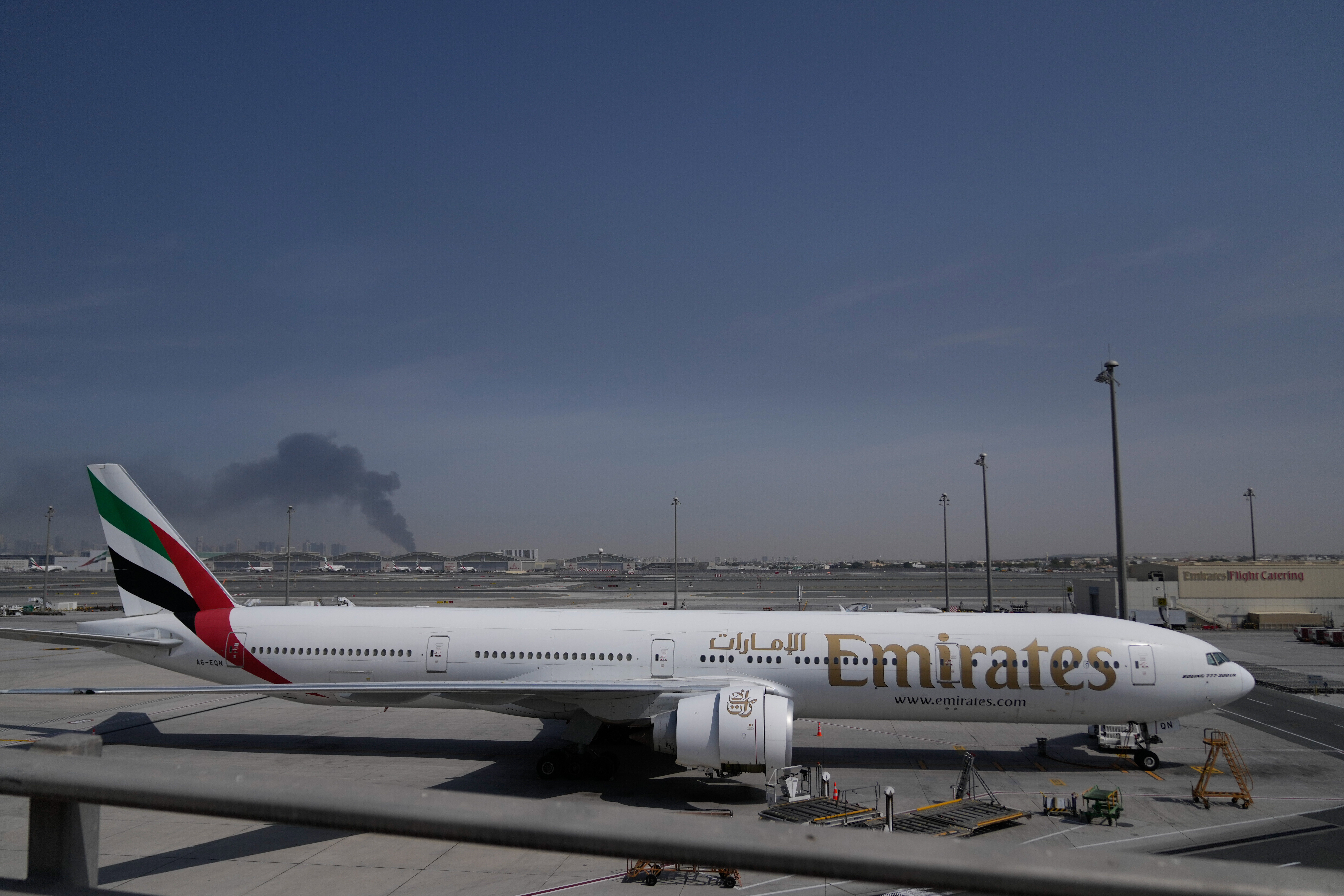
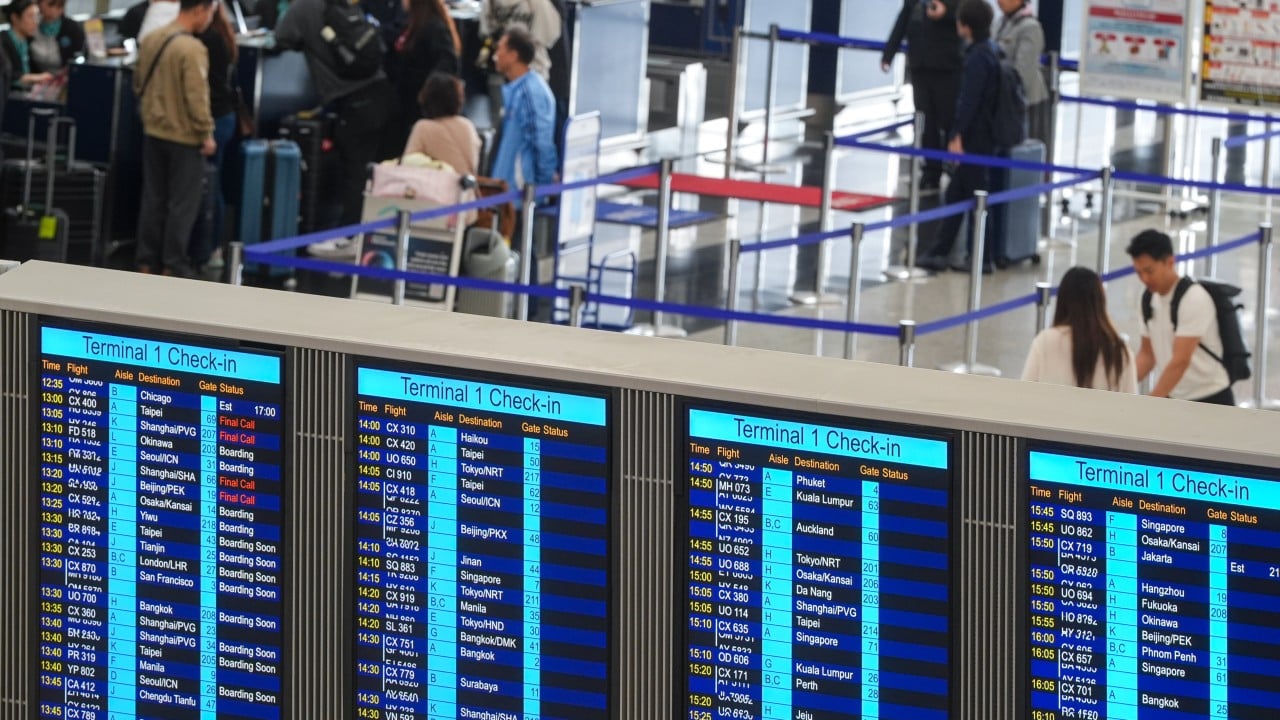
Airlines are not moral actors. They are logistics machines with wings.
The media is currently hyperventilating over a "travel chaos" narrative as Gulf carriers pause and resume flights amidst the friction between Israel and Iran. They paint a picture of frantic operations rooms and a region on the brink of an aviation blackout. It is a convenient, high-drama story that sells ads.
It is also largely nonsense.
What the "lazy consensus" missed is that these disruptions are not a sign of instability—they are a masterclass in risk-hedging and yield management. While the headlines scream about "retaliation fueling chaos," the truth is far more clinical. The major carriers—Emirates, Qatar Airways, Etihad—are using these pauses to scrub their schedules of low-margin routes and reassert their dominance over global hubs.
The Myth of the Unforeseen Crisis
The standard narrative suggests that airlines are reacting in real-time to "sudden" escalations. This is an insult to the intelligence of any seasoned aviation strategist.
Aviation risk departments have mapped out every square inch of the Middle East's restricted airspace years in advance. They operate on a binary logic: Is the insurance premium for this flight path higher than the projected ticket revenue? If the answer is yes, the flight is canceled. If no, the plane takes off.
It is a math problem, not a panic attack.
When you see a carrier like Emirates "resume" flights after a 24-hour pause, they aren't doing it because the situation is "safer." They are doing it because the war-risk insurance markets have stabilized their pricing for that specific corridor. To call this "chaos" is to misunderstand how global commerce functions in a high-friction environment.
Yield Management Disguised as Safety
Here is the secret the industry won't tell you: A regional "crisis" is a fantastic way to fix a capacity problem.
- Shedding the Dead Weight: Every airline has routes that are barely breaking even. In a normal market, canceling them looks like a failure to investors. During a geopolitical flare-up, you can cancel them under the guise of "passenger safety." No one asks questions.
- The Re-Booking Premium: When flights are canceled and then "resumed," the demand doesn't disappear—it compresses. This allows carriers to fill seats on the resumed flights at significantly higher fare buckets.
- Hub Consolidation: By temporarily pausing long-haul connections through Dubai or Doha, carriers can force passengers into a tighter window of flights, ensuring 95% plus load factors on the metal they actually put in the air.
I have seen operations teams celebrate these "crises" because it gives them a free pass to optimize the network without the usual PR backlash from angry frequent flyers.
The Airspace Arbitrage
The "travel chaos" reporting focuses on the inconvenience to the traveler. It ignores the Airspace Arbitrage.
When Western carriers—think United or Lufthansa—pull out of a region due to perceived risk, the Gulf carriers don't just "resume" flights; they swallow the market share. They have the diplomatic back-channels and the state-backed insurance guarantees that Western public companies lack.
Imagine a scenario where a US carrier cancels its Tel Aviv or Amman route indefinitely. The Gulf carriers wait 48 hours, "evaluate the situation," and then resume service with double the capacity. They aren't "braving the storm." They are executing a hostile takeover of the route while their competitors are paralyzed by board-level risk aversion.
Stop Asking if it is Safe
The "People Also Ask" section of your search engine is filled with variations of "Is it safe to fly through the Middle East right now?"
The question itself is flawed.
Safety in aviation is not a feeling; it is a certification. If a flight is scheduled, it is "safe" according to the only metrics that matter: ICAO standards, national civil aviation authorities, and the Lloyd’s of London underwriters.
If you are looking for a moral guarantee that nothing will happen, stay home. If you are looking for a statistical reality, understand that a flight through "unstable" airspace is still orders of magnitude safer than your Uber ride to the airport. The carriers know this. They use your fear to justify the "volatility" that allows them to hike prices.
The Real Risk is Your Connection, Not a Missile
The media wants you to worry about a missile. You should be worrying about the Minimum Connection Time (MCT).
The true disruption isn't the geopolitical strike; it's the cascading failure of the hub-and-spoke model. When a carrier pauses operations for six hours, it breaks the connection logic for 40,000 passengers. This creates a backlog that takes weeks to clear.
The "chaos" isn't in the sky. It's in the terminals where the ground staff is under-resourced and the automated re-booking systems are failing.
Hard Truths for the Modern Traveler:
- The "Travel Advisory" is a Legal Shield: Government travel warnings are designed to protect the state from liability, not to provide you with an accurate assessment of ground-level risk.
- Airlines Love "Force Majeure": It is the ultimate get-out-of-jail-free card. If they can blame a delay on "regional instability," they don't have to pay for your hotel or your meal vouchers in many jurisdictions.
- Direct is the Only Defense: If you are flying through a flashpoint, stop trying to save $200 by taking a connection in a primary hub. Fly point-to-point or don't fly at all.
The Strategic Pivot
Investors and analysts looking at the Gulf carriers right now shouldn't be mourning lost revenue. They should be looking at the resilience of the fortress hubs.
The fact that Dubai and Doha can flicker off and back on within a 12-hour window proves their logistical superiority over Western hubs. Try closing Heathrow for six hours and see how long it takes to recover. It would take a month.
The Middle Eastern carriers have turned "instability" into a core competency. They have built their entire business model around the fact that they live in a volatile neighborhood. They are the only ones who know how to monetize it.
If you think this is a story about travel being ruined, you’re reading the wrong map. This is a story about the permanent shift of aviation power to the East, where "chaos" is just another variable in the algorithm.
Stop checking the news for flight updates. Check the insurance premiums. That is the only place the truth is actually written.
Book the flight or don't. But stop pretending the airline is doing you a favor by flying it.