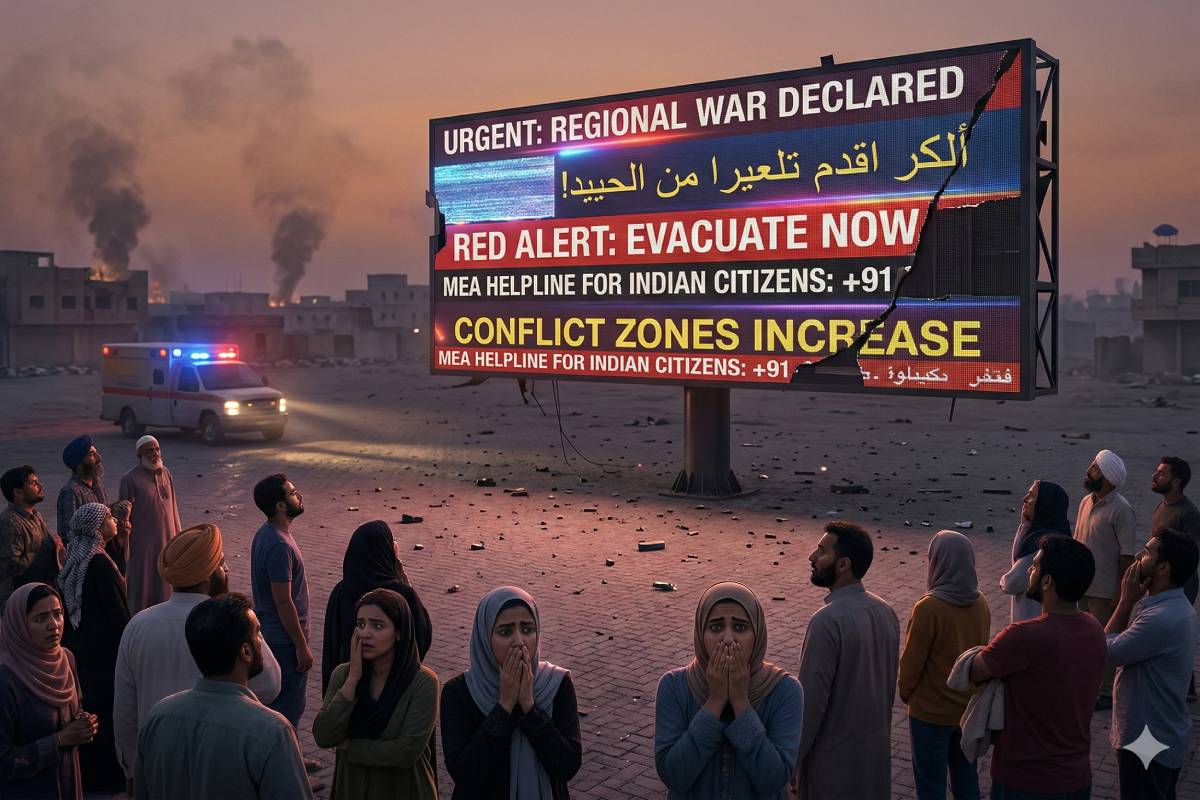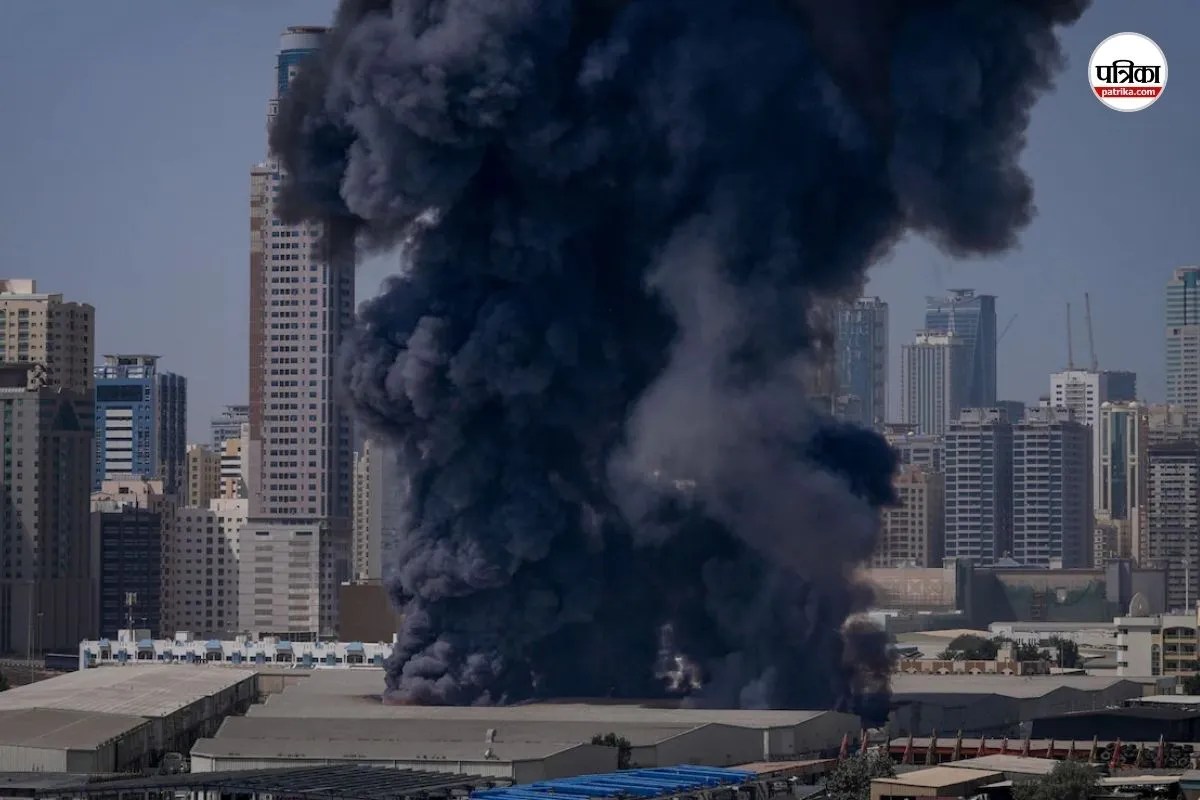
The recent breach of established "red lines" in the Persian Gulf has shifted the United Arab Emirates (UAE) from a posture of cautious de-escalation to one of high-readiness strategic signaling. While surface-level analysis focuses on emotive retaliation, the actual calculus involves a complex weighing of economic infrastructure vulnerability against the necessity of maintaining credible deterrence. The UAE’s response is not a singular event but a multi-tiered deployment of kinetic, diplomatic, and economic levers designed to restore a fractured status quo.
The UAE Strategic Trilemma
Abu Dhabi operates within three competing constraints that dictate its response to Iranian-backed provocations. Understanding these constraints is essential to predicting the magnitude of any "counter-attack."
- The Economic Sanctuary Paradox: The UAE has branded itself as a global hub for trade, tourism, and logistics. This status requires a perception of absolute safety. Any prolonged kinetic conflict—even a successful one—tarnishes the brand and triggers capital flight.
- Infrastructure Asymmetry: The UAE’s wealth is concentrated in highly localized, high-value assets such as the Burj Khalifa, Barakah Nuclear Power Plant, and Jebel Ali Port. These are "soft" targets for low-cost asymmetric threats like loitering munitions (drones) and ballistic missiles. Iran, conversely, has a more distributed, less technologically advanced infrastructure, creating an unfavorable cost-exchange ratio for the UAE.
- The Security Umbrella Shift: As the United States signals a pivot toward the Indo-Pacific, the UAE is forced to transition from a consumer of Western security to a regional security provider. This necessitates the acquisition of advanced missile defense systems and the development of indigenous strike capabilities.
Technical Variables of the Red Line
The crossing of a "red line" in the Gulf is defined by the target's nature rather than the attack's scale. The UAE categorizes threats into a three-tiered hierarchy of severity:
- Tier 1: Gray Zone Harassment: Non-state actor interference with shipping or cyberattacks on non-critical systems. These are typically met with diplomatic protests and increased maritime patrols.
- Tier 2: Infrastructure Sabotage: Targeted strikes on energy production or desalination plants. This represents a direct threat to the UAE’s survival and triggers the "Counter-Escalation Protocol."
- Tier 3: Sovereign Violation: Direct strikes on urban centers or leadership. This is the ultimate red line that necessitates a full kinetic response, potentially involving coalition partners.
The Counter-Escalation Protocol: Mechanics of Response
When a Tier 2 or Tier 3 event occurs, the UAE's strategic response follows a logical progression intended to maximize pressure while minimizing the risk of total war.
1. The Multi-Layered Defense Grid
The UAE has invested more in integrated air and missile defense (IAMD) than any other regional power. This includes the Terminal High Altitude Area Defense (THAAD) and Patriot PAC-3 systems. The primary objective here is not just interception, but the "denial of utility." If an Iranian strike fails to hit its mark, the political and strategic cost of the launch remains high for Tehran while the UAE's reputation for safety is reinforced.
2. Economic Attrition via Proxy
The UAE exerts significant influence over global financial flows and regional trade. A retaliatory measure often ignored by casual observers is the tightening of financial "nooses" around Iranian front companies operating in regional hubs. By restricting the flow of dual-use technologies and liquidity, the UAE can inflict more long-term damage on the Iranian IRGC (Islamic Revolutionary Guard Corps) than a single missile strike on a desert base.
3. Precision Kinetic Signaling
If a kinetic response is deemed necessary, the UAE utilizes its F-16 Block 60 "Desert Falcon" fleet and Mirage 2000-9s. However, the logic of the strike is never "total destruction." It is "proportional messaging." A strike might target a specific Iranian drone assembly plant or a port facility used by the IRGC. The goal is to demonstrate that the UAE possesses the reach to hit high-value targets within Iranian territory, thereby resetting the deterrence equation.
The Role of Technology in Modern Gulf Conflict
The traditional view of warfare in the Gulf—tanks in the desert and naval dogfights—is obsolete. The current friction is defined by two technological fronts:
- Electronic Warfare (EW) and Signal Intelligence: The UAE has prioritized the ability to jam and spoof the GPS and communication links of Iranian drones. By neutralizing these assets before they reach the "red line," the UAE avoids the need for a visible, escalatory kinetic response.
- Cyber-Offense: The most potent weapon in the UAE's arsenal is its ability to disrupt Iranian command and control (C2) structures. A successful cyber operation that shuts down a naval base's power grid provides a clear "counter-punch" without the physical fallout of a missile strike.
Logistic Bottlenecks and Resource Constraints
The UAE’s ability to sustain a high-intensity conflict is limited by its demographic reality. With a small citizen population, the UAE cannot afford a war of attrition. Every military asset, from a fighter pilot to a radar technician, is a high-investment resource. Consequently, the UAE’s military strategy is centered on "lethality per capita." They rely on superior technology and automation to offset their smaller numbers.
The second bottleneck is maritime. The Strait of Hormuz remains a critical chokepoint. Any Iranian retaliation that blocks the Strait would impact the UAE's ability to export oil and import food. This creates a strategic floor for escalation; the UAE must ensure that its response is calibrated to avoid a total maritime blockade.
Analyzing the Iranian Perspective
To understand the likelihood of a UAE counter-strike, one must analyze the Iranian cost-benefit analysis. Tehran uses its regional proxies—such as the Houthis or various militias—to maintain "plausible deniability." This allows Iran to test the UAE's red lines without committing to a direct state-to-state conflict.
The UAE’s challenge is to pierce this veil of deniability. By holding Tehran directly responsible for proxy actions, Abu Dhabi changes the math for Iranian leadership. If an IRGC commander knows that a Houthi drone strike on Dubai will result in a UAE cyber-strike on an Iranian refinery, the utility of the proxy decreases.
The Abraham Accords as a Strategic Multiplier
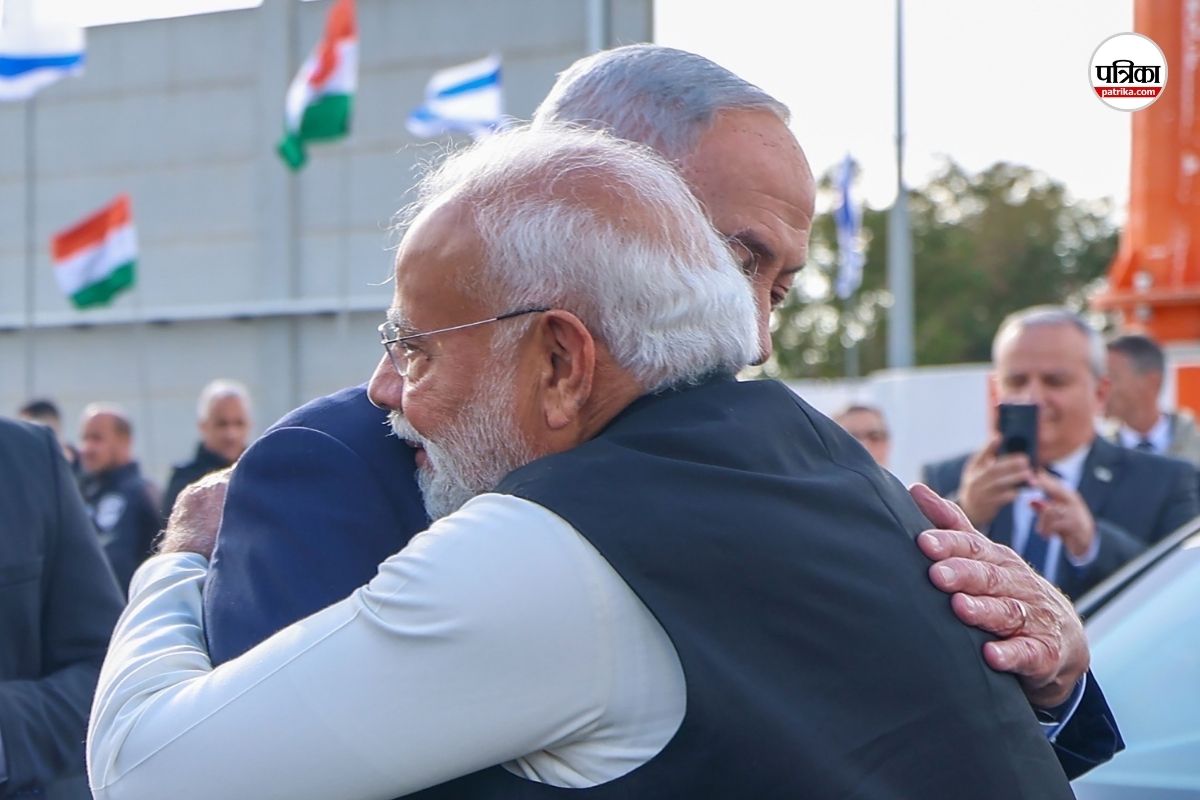
The normalization of relations with Israel has provided the UAE with a new layer of security. This is not merely diplomatic; it is operational. The sharing of intelligence on drone movements and the potential for a regional "Middle East Air Defense" (MEAD) alliance significantly increases the cost for Iran to cross a red line. The presence of Israeli sensors and potentially even interceptors in the region creates a deeper, more resilient defense-in-depth strategy that the UAE can leverage during a crisis.
Intelligence Dominance and the "First Mover" Disadvantage
In the current Gulf landscape, the "First Mover" often loses the narrative battle. The UAE has mastered the art of "Strategic Patience." By documenting violations, sharing evidence with the UN Security Council, and building a global consensus, the UAE ensures that if it does strike, it does so with the backing of international law. This diplomatic groundwork is a prerequisite for any major military action.
Strategic Forecast: The Shift Toward Active Deterrence
The UAE is moving away from the "defensive shell" model. The acquisition of long-range strike capabilities and the expansion of its naval presence in the Red Sea and the Horn of Africa suggest a nation preparing for a long-term role as a regional stabilizer.
The immediate strategic play for Abu Dhabi involves three distinct actions:
- Deployment of Non-Kinetic Interdiction: Utilizing advanced EW suites to neutralize incoming threats silently, thereby denying Iran the "theatre" of a successful strike.
- Financial Decoupling: Accelerating the removal of Iranian-linked entities from its banking sector to reduce internal vulnerabilities.
- The "Deterrence via Integration" Model: Deepening military integration with GCC and international partners to ensure that any attack on the UAE is perceived as an attack on global energy security.
The goal is not to "win" a war with Iran, but to make the cost of Iranian aggression so predictably high that the red lines remain uncrossed. The UAE is building a system where peace is the only logical economic choice for all parties involved.