Grounding a plane because of a single person's meltdown isn't just a logistical nightmare. It's a trauma for every passenger on board. Recently, a Frontier Airlines flight at Hartsfield-Jackson Atlanta International Airport became the stage for a terrifying sequence of events involving a man, a woman, and a claim that could have turned a routine trip into a catastrophe. We've seen these headlines before, but the details of this specific case show exactly how quickly "air rage" can escalate into a federal crime.
Security at airports is tighter than ever, yet human unpredictability remains the one variable no scanner can catch. When a man allegedly threatened a woman and then claimed to have a bomb on a Frontier flight, he didn't just break airline policy. He triggered a massive tactical response that involved the Atlanta Police Department and federal authorities. This wasn't a simple argument over legroom or a reclining seat. It was a targeted threat that paralyzed a portion of the world's busiest airport.
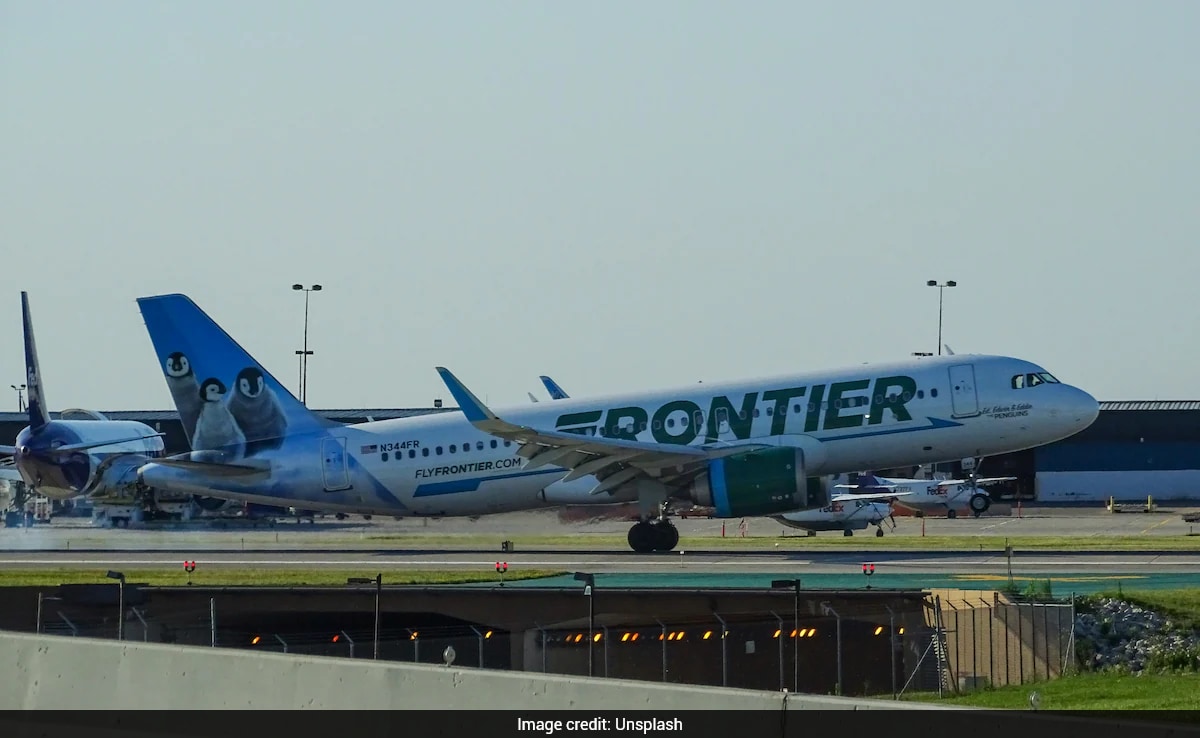
What actually happened on Frontier Flight 4492
The facts of the case are chilling because they started so normally. Frontier Airlines Flight 4492 was prepared for departure, sitting on the tarmac at Hartsfield-Jackson. Witnesses and police reports indicate that a male passenger began acting aggressively toward a female passenger. It wasn't just loud talking. It was a direct threat. In the cramped quarters of an Airbus A320, there's nowhere to run.
Things went south fast. The man reportedly told the woman he had a bomb. In a post-9/11 world, that's the "nuclear option" of verbal threats. You don't say that word on a plane unless you want the FBI at your door. The crew acted immediately. They didn't debate the guy or try to "de-escalate" with a free snack. They followed protocol. The plane was stopped. The engines were cut.
The Atlanta Police Department’s Explosive Ordnance Disposal unit—basically the bomb squad—swarmed the aircraft. Everyone was evacuated. Imagine being a passenger, thinking you're heading to your destination, and suddenly you're being rushed off a plane while tactical teams move in. It's a visceral, heart-pounding experience that stays with you long after you land.
The legal hammer for making a bomb threat
People often think they can "cool off" and apologize after a mid-air outburst. They’re wrong. Making a bomb threat, even a fake one, is a felony. Under federal law, specifically 49 U.S. Code § 46507, anyone who "willfully and maliciously" imparts false information regarding an attempt to do anything forbidden (like blowing up a plane) faces massive prison time.
We're talking up to five years in federal prison just for the threat itself. If the court decides the person acted with "reckless disregard" for human life, that number jumps. Then there’s the civil side. Airlines like Frontier can—and do—sue for the costs of the delay. Fuel, crew timing, gate fees, and rebooking hundreds of passengers adds up to tens of thousands of dollars. You aren't just going to jail; you're going broke.
The man in the Atlanta incident was taken into custody and faces charges that include terroristic threats and false statements. The woman he targeted was physically safe but undoubtedly shaken. This highlights a growing trend of interpersonal violence spilling over into the aviation sector, where the stakes are inherently higher.
Why air rage is getting more dangerous
Honestly, flying has become a pressure cooker. Seats are smaller. Lines are longer. Tempers are shorter. But that's no excuse for threatening someone's life. Data from the Federal Aviation Administration (FAA) shows that while unruly passenger reports have dropped from their all-time peak in 2021, they're still significantly higher than pre-2019 levels.
The "why" is complicated. It's a mix of mental health crises, substance abuse, and a general decline in public decorum. When you add a confined space 30,000 feet in the air—or even on the tarmac—you get a volatile environment. In the Atlanta Frontier case, the threat happened before takeoff. That’s the "lucky" part. If this had happened at cruising altitude, the pilot would have had to declare an emergency and perform a heavy-weight landing at the nearest suitable airport.
What you should do if you're on a "threat" flight
If you ever find yourself sitting three rows away from someone making these kinds of threats, your instinct might be to intervene. Don't. Unless there is immediate physical violence occurring, your job is to be a witness, not a hero.
- Alert the flight attendants quietly. Don't draw the aggressor's attention to yourself.
- Follow every instruction. If the pilot says leave your bags and get off the plane, leave your $2,000 MacBook. Your life is worth more.
- Record if safe. Video evidence is the nail in the coffin for these cases, but only if you can do it without escalating the situation.
The crew on Frontier Flight 4492 did their jobs perfectly. They identified the threat, isolated the individual, and got the authorities involved before the plane ever left the ground. That’s the system working. It’s annoying to deal with a four-hour delay or a canceled flight, but it beats the alternative.
The aftermath for Hartsfield-Jackson
Atlanta’s airport is a machine. A single plane stuck on a taxiway with a bomb threat ripples through the entire global flight network. When Flight 4492 was cleared and searched, it wasn't just about that one plane. It was about clearing the "sterile" area of the terminal and ensuring no secondary devices were planted.
The bomb squad found no explosives. It was a hoax. A "false" threat. But the law doesn't care if the bomb was real; it cares that the threat was made. The disruption to thousands of other travelers is a secondary crime that the legal system takes very seriously.
If you're traveling anytime soon, keep your head on a swivel. If you see someone harassing a fellow passenger, tell the crew early. Most of these incidents have "warning signs" before the big threat is issued. The man in Atlanta didn't just wake up and decide to say "bomb." There was likely a build-up of aggression that, if caught earlier, might have prevented the entire evacuation.
Don't be the person who stays silent because you don't want to "cause a scene." The scene is already happening; you're just deciding how it ends. Federal authorities have zero patience for this anymore. The "no-fly" lists are real, and they are permanent. If you threaten a woman and a flight crew in 2026, you're basically signing up for a lifetime of Greyhound buses.