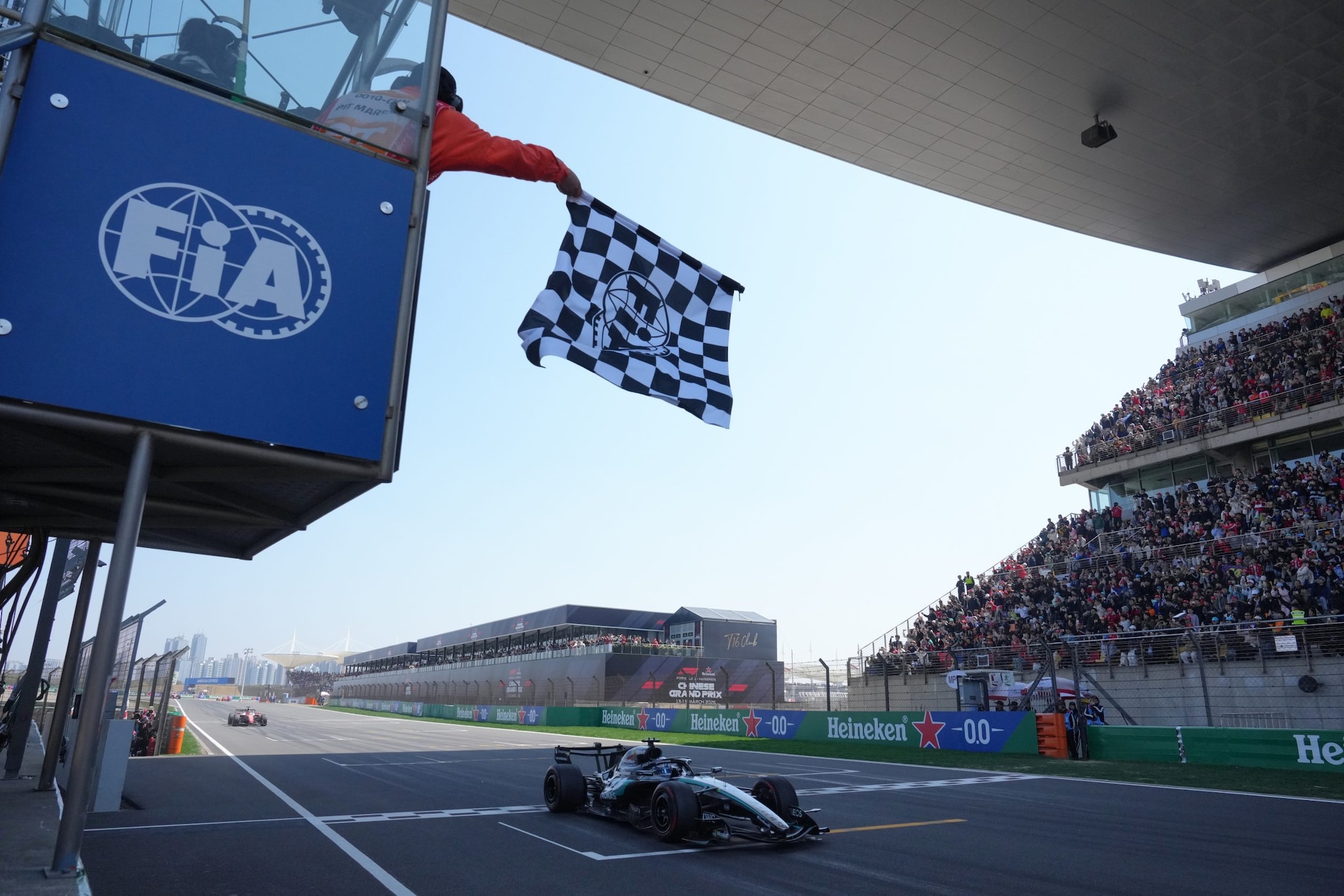
The safety of 20 drivers and thousands of staff isn't a bargaining chip. Formula 1 officially canceled the April races in Bahrain and Saudi Arabia because the regional risk became untenable. We aren't just talking about logistics or flight paths anymore. When a shooting war involving Iran breaks out, a race track in the Middle East stops being a sporting venue and starts being a target.
You might think the show should go on. It didn't.
Liberty Media and the FIA moved fast once the escalation between Iran and regional powers shifted from rhetoric to active kinetic strikes. For a sport that prides itself on "we race as one," the reality of racing in a literal war zone was a bridge too far. If you've followed the sport long enough, you know they don't cancel for rain, and they rarely cancel for politics. They canceled these because the insurance premiums alone probably cost more than the gate receipts.
The geography of a nightmare for F1 logistics
F1 is a logistical beast. It’s a traveling circus of 747s and shipping containers. Most fans don't realize that the Bahrain International Circuit and the Jeddah Corniche Circuit sit right in the middle of some of the most contested airspace on the planet. When Iran entered a hot war, those flight corridors turned into "no-go" zones almost overnight.
Moving the cars from Australia to the Middle East was the first hurdle. Usually, the teams fly a direct route. With the current conflict, those planes would have to take massive detours over Africa or deep into Europe, adding millions to the budget. F1 works on a tight calendar. You can't just be three days late because you had to fly around a missile battery.
Then there’s the personnel. We’re talking about 2,000 people per team, plus media, hospitality, and FIA officials. The duty of care is real. If a team principal like Toto Wolff or Christian Horner can't guarantee that a stray drone won't hit the paddock, the lawyers step in. In this case, the lawyers won.
Why Saudi Arabia was the tipping point
We've been here before. Remember Jeddah 2022? A missile hit an Aramco oil facility just miles from the track during practice. The drivers sat in a room for four hours debating whether to pack their bags. They stayed then. They won't stay now.
The difference in 2026 is the scale. A localized proxy strike is one thing. A full-scale war involving Iran is a different beast entirely. Saudi Arabia's defense systems are good, but they aren't perfect. F1 is a high-profile, Western-backed entity. It’s the ultimate soft target for anyone looking to make a global statement.
I’ve spoken to people in the paddock who were uncomfortable in Jeddah even during "peaceful" times. The tension was always there, simmering under the neon lights. This cancellation isn't just a reaction to one event; it’s the result of years of mounting anxiety about the sport's footprint in volatile regions.
The 2026 calendar shuffle and the points gap
Losing two races in April creates a massive hole in the championship. We’re looking at a nearly month-long gap where the cars will sit in garages in England and Italy. This ruins the rhythm of the season.
- Development cycles: Teams like Ferrari and McLaren usually bring their first major aero upgrades to the European leg. Now, they have extra weeks of wind tunnel time without any on-track data to verify their findings.
- The triple-header fear: To make up the revenue, FOM is already whispering about adding races later in the year. That means more triple-headers. The mechanics are already burnt out. Adding more 22-hour flights in November is a recipe for disaster.
- The points battle: If a driver like Max Verstappen or Lando Norris had a bad start in the opening rounds, they just lost two prime opportunities to claw back points on tracks where overtaking is actually possible.
The financial hit is staggering too. Bahrain and Saudi Arabia pay some of the highest hosting fees on the calendar—rumored to be north of $50 million each. That’s $100 million gone from the prize pot. The smaller teams like Williams and Haas feel that hit more than anyone else.
What happens to the tickets and the fans
If you bought a ticket for Jeddah or Sakhir, you're likely looking at a refund, but don't expect it tomorrow. The force majeure clauses in these contracts are legendary. Because the cancellation is due to war, the promoters are scrambling to see if their insurance covers the loss or if the fans have to eat the cost of their flights and hotels.
Most major airlines have already suspended flights to the region. If you're stuck with a non-refundable hotel room in Manama, you’re basically out of luck unless your travel insurance specifically covers civil unrest or war. It's a mess.
This isn't just about racing anymore
The decision to call off the April races proves that F1’s "sportswashing" era has hit a hard ceiling. You can build the most expensive, high-tech street circuits in the world, but you can't build a bubble that keeps out a regional war.
F1 wants to be a global entertainment brand. It wants to be Netflix on wheels. But Netflix doesn't have to worry about its actors being in the middle of a ballistics exchange. By pulling out, F1 is finally admitting that some risks aren't worth the petrodollars.
The sport will likely try to pivot to more races in North America or Europe to fill the void. Expect talks with Portimão or Hockenheim to heat up within the next 48 hours. They need a venue that has a Grade 1 FIA license and isn't currently in a combat zone.
Check your flight bookings and demand a refund from your credit card provider immediately if you had tickets. The race isn't happening, and the paddock is already moving on. Keep an eye on the official F1 app for the revised European start dates. The season just got a lot shorter, and the stakes just got a lot higher.