Hillary Clinton spent six hours on February 26, 2026, behind closed doors in Chappaqua, New York, attempting to dismantle a Republican-led narrative that has shadowed her family for decades. Under oath before the House Oversight Committee, the former Secretary of State maintained a rigid line of defense. She did not know Jeffrey Epstein. She never visited his island. She never stepped foot on his plane. While the deposition was a formal legal proceeding, it functioned as a high-stakes chess match where Clinton sought to flip the board, demanding that the committee turn its subpoenas toward the current occupant of the White House, Donald Trump.
The strategy was as calculated as it was aggressive. By calling for Trump to testify under oath about his own documented history with the deceased sex offender, Clinton aimed to transform her defensive posture into a political offensive. This was not merely about answering questions; it was about highlighting what she described as a "partisan political theater" designed to shield the Republican establishment while reviving "vile, bogus conspiracy theories" against her.
A Village Under Siege
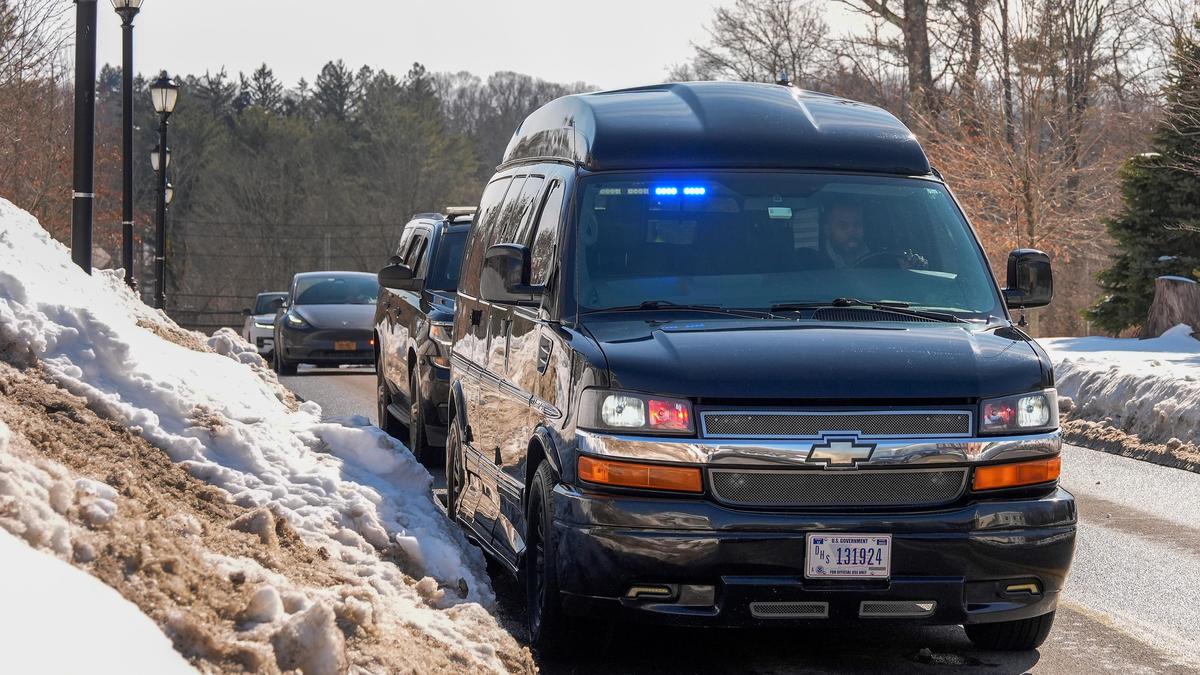
Chappaqua is a quiet hamlet, but for two days, it became the epicenter of a national firestorm. The Secret Service erected metal barricades around the Chappaqua Performing Arts Center as a swarm of journalists and investigators descended. This was a historic moment—the first time a former president’s spouse had been compelled to testify in such a manner, followed immediately by the scheduled deposition of former President Bill Clinton.
The atmosphere inside the room was reportedly shark-like. Republican lawmakers, led by Chairman James Comer, pushed a line of inquiry that moved beyond the known facts into the weeds of the "Epstein files"—millions of pages of records released in late 2025. They questioned Clinton on everything from her foundation's $25,000 donation from an Epstein-affiliated entity in 2006 to her casual acquaintance with Ghislaine Maxwell.
Clinton’s responses were crisp and repetitive. "I don't know how many times I had to say I did not know Jeffrey Epstein," she told reporters afterward. She acknowledged Maxwell attended Chelsea Clinton’s 2010 wedding, but only as a "plus one" for another guest. The goal of the committee was clear: find a thread of proximity that suggests knowledge of the criminal enterprise. Clinton’s goal was equally transparent: deny the thread exists.
The Trump Counter-Subpoena Demand
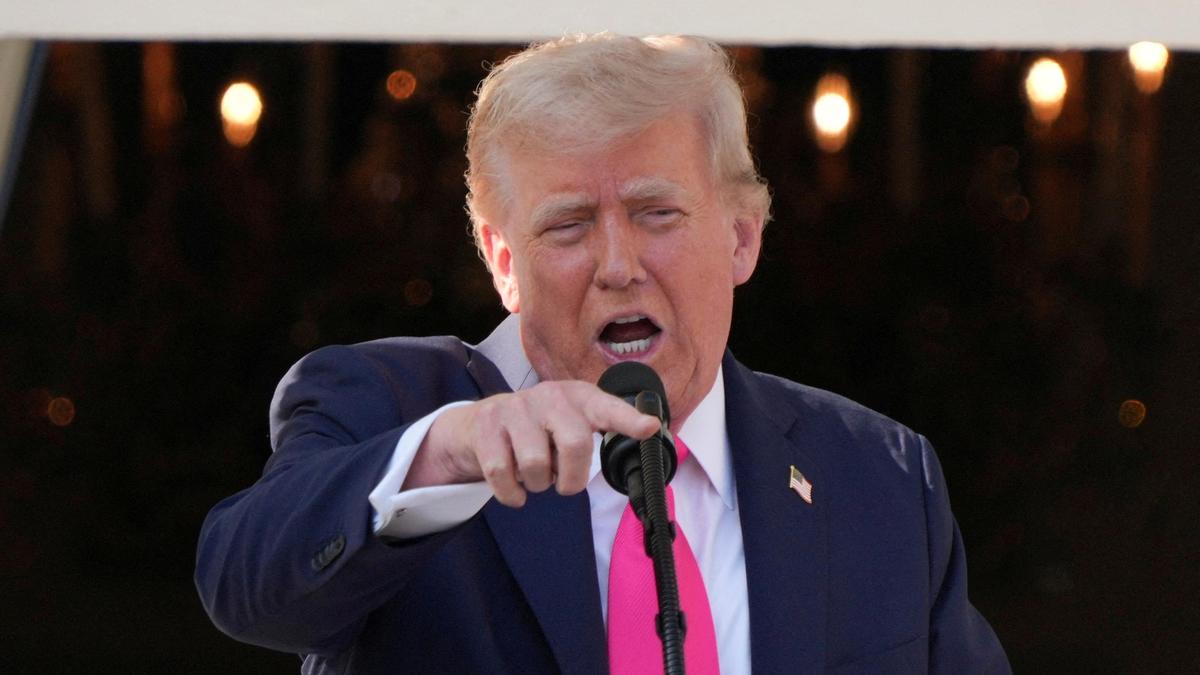
The most potent weapon in Clinton’s arsenal was the sheer volume of mentions Donald Trump receives in the very files the committee is supposedly investigating. She pointed out that while her husband’s name appears, Trump’s name appears "tens of thousands of times."
"If this committee is serious about learning the truth about Epstein’s trafficking crimes, it would not rely on press gaggles to get answers from our current president," Clinton stated in her opening remarks. "It would ask him directly under oath."
This demand taps into a growing frustration among Democrats and survivor advocates. While the Clintons were threatened with criminal contempt to force their appearance, the committee has shown little appetite for subpoenaing Trump or other high-ranking Republican officials mentioned in the documents. Clinton argued this "institutional failure" is a deliberate attempt to protect a specific political party.
Rules of Engagement and Broken Agreements
The deposition was supposed to be a strictly controlled, closed-door affair, with transcripts and video to be released only after a legal review. That agreement shattered mid-afternoon.
A photo taken inside the hearing room was leaked online, reportedly shared by a Republican member of the committee. This breach prompted an immediate pause in the proceedings. Clinton described the incident as "very upsetting," suggesting it was a sign that the committee had no intention of following the rules it had imposed.
The questions also veered into territory that had little to do with sex trafficking. Clinton revealed that she was grilled on "Pizzagate" and even UFOs—topics she dismissed as a "fever dream" of the far right. This shift in focus provided her with the ammunition to argue that the entire investigation had lost its moorings, drifting from a search for justice for survivors into a fishing expedition for social media clips.
The Foundation of the Dispute
At the heart of the conflict are two competing realities. For Republicans, the Clintons’ past proximity to Epstein—specifically Bill Clinton’s flights on Epstein’s plane for charitable work—is a valid area of congressional oversight. They argue that the public deserves to know if a former president was compromised or if his global foundation was fueled by tainted money.
For the Clintons, these flights are a settled matter of history, occurring years before Epstein’s 2008 conviction and even longer before the full scale of his depravity was revealed. They view the current subpoenas as a distraction from the Department of Justice's "slow-walking" of files that could implicate current administration officials, including Commerce Secretary Howard Lutnick and Attorney General Pam Bondi.
The tension is exacerbated by the "Epstein File Transparency Act" of 2025. The release of documents under this act has provided plenty of smoke but, so far, very little fire that directly connects Hillary Clinton to the crimes. However, the committee's insistence on questioning her about what her husband knew—a line of questioning she met with "you'll have to ask him"—indicates that the real target has always been the former president.
The Survivor Perspective
Lost in the political sparring is the voice of the survivors. Clinton attempted to reclaim this ground by highlighting her career-long record of fighting human trafficking. She criticized the Trump administration for "gutting" federal agencies dedicated to the issue and called for a system that prevents figures like Epstein from receiving the "slap on the wrist" he got in 2008.
However, the politicization of the testimony makes it difficult to discern if any of these "hard-hitting" questions will lead to policy changes. When a congressional hearing on child sex trafficking devolves into questions about UFOs, the victims are rarely the beneficiaries.
The deposition of Bill Clinton is the next move in this sequence. If Hillary’s appearance was a masterclass in deflection and counter-punching, Bill’s will likely be a test of endurance. He faces direct questions about photographs and flight logs that his wife could conveniently sidestep.
The House Oversight Committee has promised to release the full video of Hillary Clinton’s testimony within 24 hours. When that footage hits the public domain, it will not just be a legal record; it will be the latest fodder for a polarized electorate that has already made up its mind. Whether it leads to a subpoena for Donald Trump remains the most significant unanswered question in the Epstein saga.
Would you like me to analyze the specific legal precedents for subpoenaing a sitting president in light of these congressional investigations?