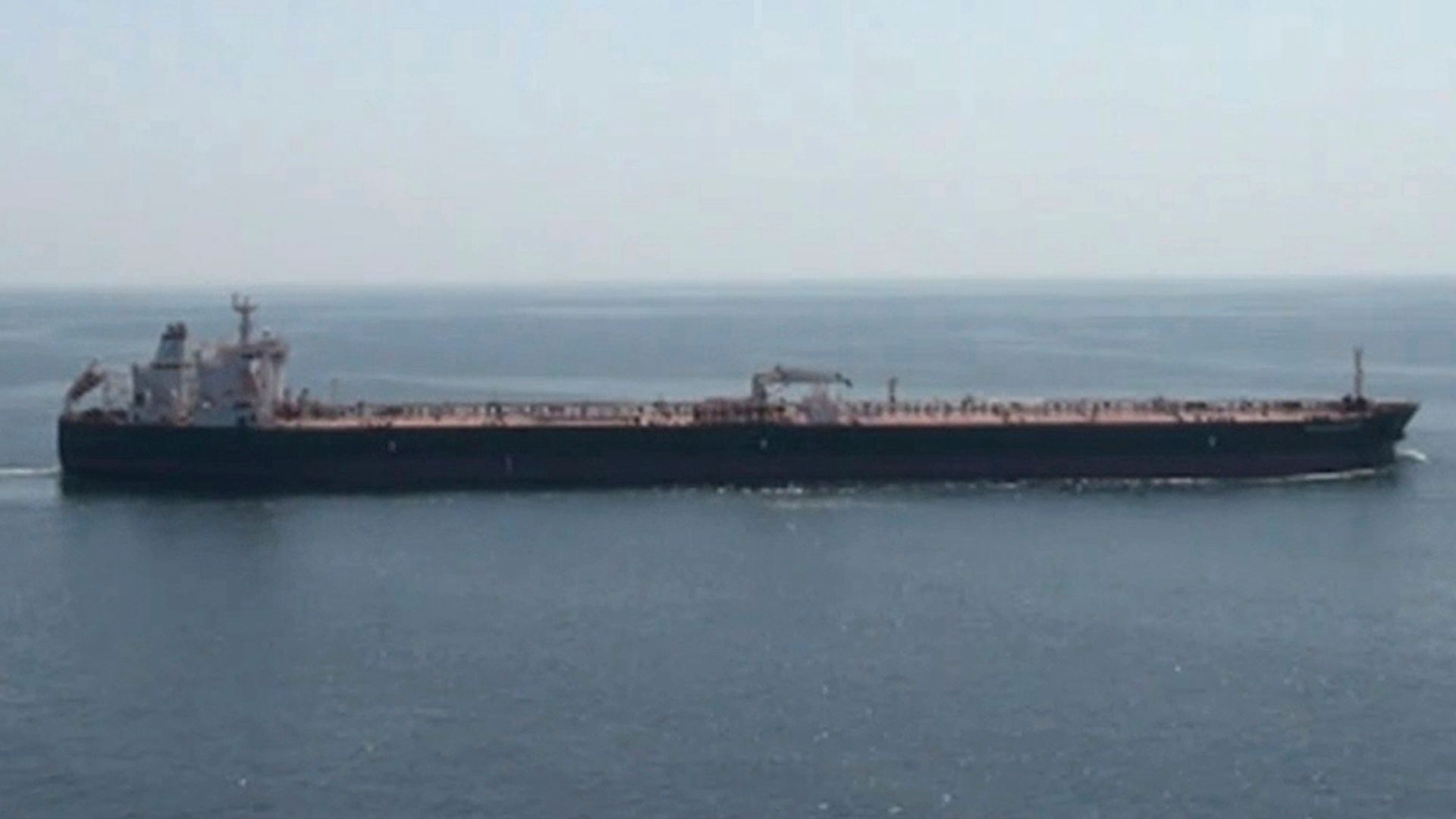
Energy prices are not rising because of a simple shortage. They are rising because the physical world is becoming increasingly expensive to navigate. When a tanker is forced to divert or a refinery goes offline, the market reacts to the immediate loss of volume, but the real damage lies in the permanent recalibration of risk. Traders are no longer betting on temporary glitches; they are pricing in a world where the frictionless movement of fuel has ended. This transition from "just-in-time" energy to "just-in-case" logistics is the primary driver behind the current price surge.
The current volatility in oil and gas markets isn't a fluke of bad timing. It is the result of a fragile global infrastructure meeting a new era of geopolitical and technical friction. While most analysts focus on the daily fluctuations of Brent Crude, the real story is found in the soaring costs of insurance, the bottlenecked shipyards, and the deteriorating state of refining hardware that was never meant to run at these intensities for this long.
The Myth of the Temporary Spike
We are told that prices will stabilize once current "disruptions" clear. This is a fundamental misunderstanding of the current energy complex. The maritime bottlenecks we see today—tankers sitting idle or taking the long way around the Cape of Good Hope—are not outliers. They are the new baseline.
For decades, global energy relied on a handful of narrow chokepoints. These maritime "alleys" allowed for the efficient, low-cost movement of millions of barrels of oil every day. But efficiency is the enemy of resilience. By optimizing for the lowest possible cost, the industry removed all the slack from the system. Now, when a single facility shuts down or a shipping lane becomes a gamble, there is no backup. The cost of that missing slack is what you are paying for at the pump and on your utility bill.
The economics of a tanker diversion are staggering. Moving a Suezmax tanker from the Middle East to Northern Europe via the Suez Canal is a calculated, predictable expense. Forcing that same vessel around Africa adds roughly 10 to 14 days to the journey. This doesn't just increase fuel costs for the shipowner; it effectively removes that vessel from the global fleet for two weeks. When hundreds of ships do this simultaneously, the "effective" size of the world's tanker fleet shrinks. Lower supply of transport capacity leads to higher freight rates, which are then passed directly to the consumer.
The Hidden Crisis in Downstream Refining
While shipping gets the headlines, the silent killer of price stability is the refining sector. You cannot put crude oil into a jet engine or a truck. It must be processed. However, the world’s refining capacity is aging and improperly distributed.
In the West, environmental mandates and the long-term shift toward electrification have stalled investment in new refineries. Why build a multi-billion dollar facility that takes a decade to break even if the government plans to ban your product by 2035? The result is a fleet of "zombie" refineries—facilities that are being pushed to their absolute mechanical limits to meet current demand because no new capacity is coming to save them.
When one of these overstressed plants goes offline for "unplanned maintenance," it is rarely a quick fix. These are complex, integrated chemical environments. A failure in a single hydrocracker can ripple through the entire regional supply chain. We are currently seeing a pattern of these "cascading failures" where one shutdown puts more pressure on neighboring plants, leading to a cycle of breakdowns that keeps prices artificially high even when crude oil supply is theoretically sufficient.
The Insurance Premium No One Discusses
There is a third factor that remains invisible to the average observer: the cost of risk. Every barrel of oil moving across the ocean is insured. Historically, this was a negligible part of the final price. That has changed.
In contested waters or regions prone to technical shutdowns, insurance premiums have moved from a standard administrative cost to a major line item. "War risk" premiums can spike overnight, sometimes adding six figures to the cost of a single voyage. These costs are sticky. Even when the immediate threat subsides, insurers are slow to lower rates, having been spooked by the realization that the high-seas are no longer a neutral, safe zone for commerce.
This creates a floor for energy prices. Even if OPEC+ were to flood the market with raw crude tomorrow, the cost of moving, refining, and insuring that crude has reached a new, higher plateau. The "cheap energy" era wasn't just about the abundance of oil; it was about the abundance of safety and predictability. Both are now in short supply.
Why Technical Solutions Are Falling Short
The industry’s response to these disruptions has been to lean on technology—automated logistics, predictive maintenance, and real-time tracking. On paper, this should make the system more efficient. In practice, it has made the system more brittle.
Algorithm-driven logistics seek to eliminate "waste," such as a tanker sitting half-full or a refinery holding excess spare parts. But in a world of physical disruptions, that "waste" is actually a buffer. By digitizing and optimizing every link in the chain, the energy industry has created a system that works perfectly—until it doesn't. When a physical disruption occurs, the digital systems often exacerbate the problem by triggering automated sell-offs or rerouting orders in a way that creates new bottlenecks elsewhere.
The Geopolitical Weaponization of Logistics
We must also confront the reality that energy infrastructure is now a primary tool of statecraft. In the past, disruptions were usually the result of accidents or weather. Today, facility shutdowns and tanker harassment are frequently calculated moves by state actors looking to exert pressure without declaring open conflict.
This "gray zone" activity is particularly effective because it allows for plausible deniability while achieving massive economic impact. A "technical glitch" at a major export terminal or a "safety inspection" that delays a fleet of tankers can swing global prices by 5% in an afternoon. For a veteran analyst, the timing of these events often looks less like bad luck and more like a coordinated effort to test the breaking points of Western economies.
The Resilience Deficit
The hard truth is that there is no quick fix for a global supply chain that has been hollowed out by decades of underinvestment. Building a new refinery takes years. Expanding a port’s capacity takes even longer. Training a new generation of mariners and engineers to replace a retiring workforce isn't something that can be solved with a policy memo.
We are entering a period of "structural volatility." This means that even during periods of relative calm, the market will remain jumpy. Every minor weather event or localized strike will be treated as a potential catastrophe because the system no longer has the padding to absorb the shock.
The focus on "transition" has also created a dangerous middle ground. We are moving away from fossil fuels, but we are not there yet. By withdrawing capital from oil and gas infrastructure before the alternatives are ready to take the full load, we have created a gap. In that gap, energy prices will remain high, not because of greed, but because the old system is dying and the new one isn't yet strong enough to carry the weight.
Reassessing the Value of Stability
If you want to understand where energy prices are going, stop looking at the production numbers. Start looking at the repair schedules of refineries in the Gulf Coast. Start looking at the daily hire rates for Tier-1 oil tankers. Start looking at the cost of insuring a cargo ship passing through the Bab el-Mandeb.
The real cost of energy is the cost of the infrastructure that delivers it. Right now, that infrastructure is being taxed by age, by politics, and by a lack of foresight. The surge we are seeing today is the market finally sending the bill for twenty years of taking the supply chain for granted.
To fix this, the conversation needs to shift from "how do we get more oil" to "how do we rebuild the pathways that move it." Without a massive, coordinated reinvestment in the physical hardware of the energy world—the pipes, the pumps, the ships, and the refineries—the volatility we see now will become a permanent feature of the global economy.
Watch the freight futures. When they start to decouple from the price of the commodity itself, you’ll know the system is truly breaking. That decoupling is already beginning.