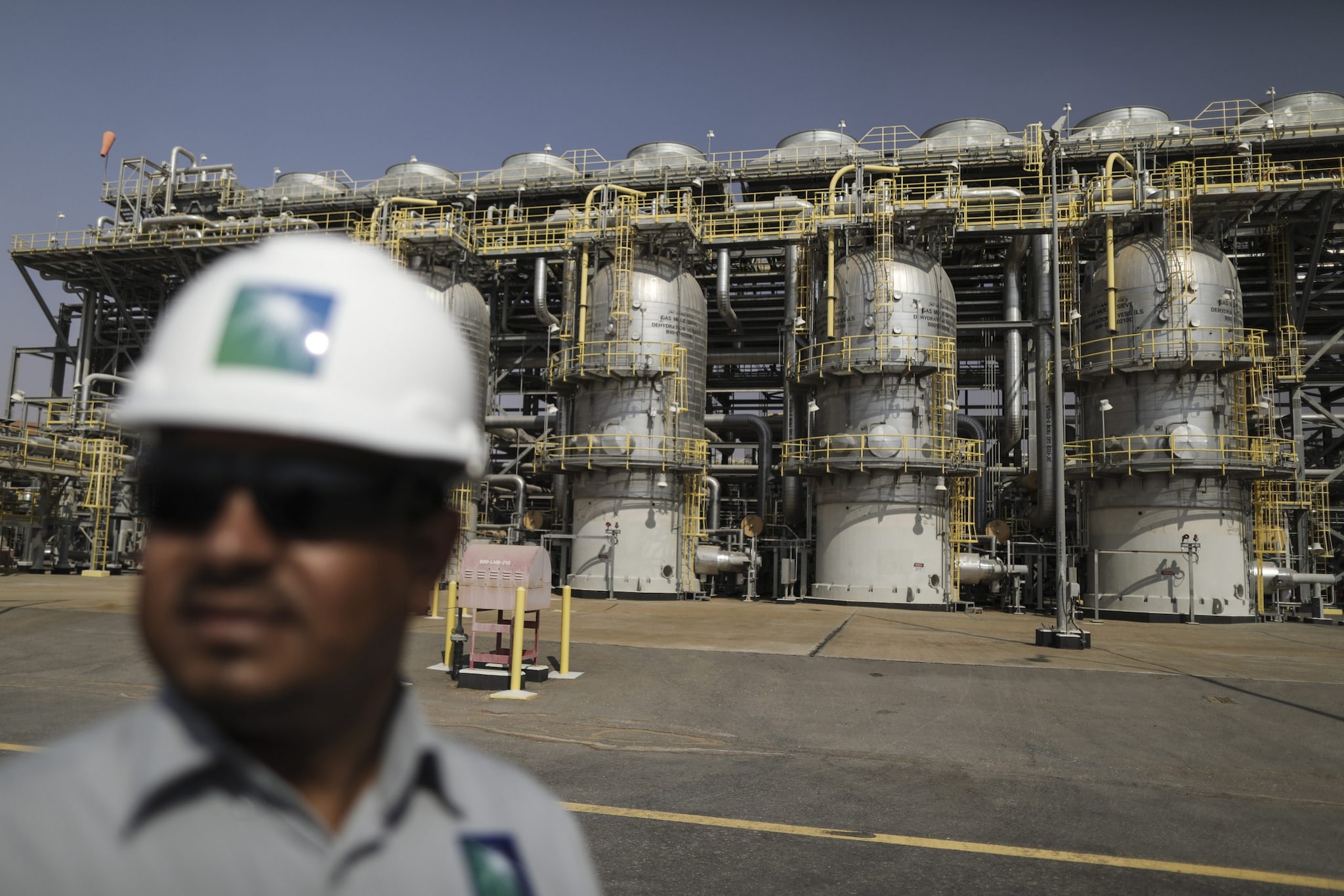
The US Treasury Secretary is selling you a fantasy. The recent proclamation that resuming Gulf trade will usher in an era of "absolute security" and floor-level energy prices isn't just optimistic—it’s economically illiterate. Washington loves to pretend that the global energy market is a volume knob they can turn at will. It isn't. It’s a dark forest where the entities holding the matches are rarely the ones standing at a podium in D.C.
When a high-ranking official promises "absolute security," your first instinct should be to check your pockets. In the real world, security is a moving target, and "cheap" energy is often the most expensive thing a developed economy can buy in the long run. Meanwhile, you can explore similar stories here: The Caracas Divergence: Deconstructing the Micro-Equilibrium of Venezuelan Re-Dollarization.
The Gulf Trade Mirage
The consensus view suggests that opening the floodgates of Gulf trade will saturate the market, driving down costs for the American consumer and stabilizing the global manufacturing base. This assumes the Gulf states are passive participants in their own enrichment. They are not.
I have sat in boardrooms from Houston to Dubai, and I can tell you: nobody in the Middle East is interested in "cheap" oil. They are interested in optimal oil. To see the full picture, check out the recent report by Harvard Business Review.
The idea that renewed trade agreements will lead to a permanent price floor ignores the basic mechanics of OPEC+. These nations have spent the last decade perfecting the art of artificial scarcity. They don’t want a price crash that bankrupts their sovereign wealth funds. If trade resumes and supply spikes, expect a quiet, coordinated "maintenance" shutdown within the month.
"Absolute security" is a phrase used by people who have never had to hedge a commodities portfolio. Real security comes from redundancy and diversification, not from tying your industrial fate to a single, volatile shipping lane like the Strait of Hormuz. By doubling down on Gulf dependency under the guise of "normalized trade," the US is actually increasing its systemic fragility.
Why Low Prices Kill Innovation
Let’s dismantle the "Lower Prices are Better" lie.
On the surface, a $2.50 gallon of gas feels like a win. In reality, sustained low energy prices act as a sedative for the entire Western economy.
- CapEx Freezes: When oil drops below $50 a barrel, domestic exploration in the Permian Basin doesn't just slow down; it dies. I’ve seen companies incinerate billions in shareholder value because they banked on $80 oil and got $40.
- The Efficiency Gap: Cheap energy removes the incentive to innovate. Why optimize your supply chain or invest in high-efficiency thermal systems when the input cost is negligible?
- Geopolitical Leverage: Every time the price of oil hits the floor, we hand the keys to our adversaries. Low prices squeeze out the high-cost, high-tech Western producers, leaving the market to the low-cost, state-backed monopolies who can afford to wait us out.
If you want energy security, you should be praying for $90 oil. High prices are the only thing that forces the market to find alternatives and strengthens domestic production. The Treasury’s "victory lap" on lower prices is actually a funeral march for energy independence.
The Physics of Power
Politicians treat energy like a line item. Engineers treat it like physics.
The US Treasury’s logic fails because it ignores the Energy Return on Investment (EROI). Resuming trade with the Gulf doesn't change the fact that we are moving toward harder-to-extract resources. The "easy" oil is gone. What’s left requires massive infrastructure, desalination plants for injection, and complex refining.
$$EROI = \frac{\text{Energy Delivered}}{\text{Energy Required to Get That Energy}}$$
As this ratio narrows, the true cost of energy rises, regardless of what the nominal price on the Brent Crude ticker says. We are paying more in "energy currency" to get a barrel of oil than we did twenty years ago. A trade deal doesn't fix the laws of thermodynamics.
Dismantling the People Also Ask
The public is asking the wrong questions because the government is giving them the wrong answers.
"Will trade with the Gulf lower my heating bill?"
Probably not in any meaningful way. Your heating bill is tied to regional natural gas infrastructure and local utility regulation, not just the global price of crude. Furthermore, the Gulf states are increasingly using their own gas for domestic cooling and industrialization. They aren't looking to subsidize your thermostat.
"Is energy security possible through diplomacy?"
No. Diplomacy is a paper shield. True security is built on nuclear baseload, domestic fracking, and a grid that can't be held hostage by a diplomatic spat in a time zone eight hours away. Thinking a handshake in Riyadh equals "security" is a dangerous delusion.
"What should the US do instead?"
Stop trying to manage the price. Start managing the resilience. This means:
- Stop Draining the SPR: The Strategic Petroleum Reserve is for wars and catastrophes, not for mid-term election optics. Emptying it for "price relief" is a strategic blunder that will take a generation to fix.
- Deregulate Nuclear: If the Treasury Secretary cared about absolute security, they would be fast-tracking SMR (Small Modular Reactor) deployment. Carbon-free, reliable, and immune to Gulf politics.
- End the Subsidy War: Let the market find the true price of energy. Whether it's subsidies for fossil fuels or tax credits for renewables, all we're doing is distorting the signal.
The Hard Truth
We are entering a period of "Energy Realism." The post-WWII era of American-guaranteed maritime safety and bottomless cheap crude is over. The Treasury’s attempt to paint a return to the status quo as a breakthrough is a PR stunt designed to calm markets that should actually be terrified.
True security isn't found in a trade deal. It’s found in the ability to walk away from the table. As long as we are obsessed with "predicting lower prices" through foreign cooperation, we are the ones being played.
The next time you hear a politician promise "absolute security" in a global commodity market, buy gold and put a coat on. It’s going to be a cold decade for those who believe them.
Stop looking at the price at the pump and start looking at the vulnerabilities in the pipe. If you aren't hedged against the failure of these "historic" trade deals, you aren't paying attention. The Treasury isn't solving the problem; they're just rebranding the risk.