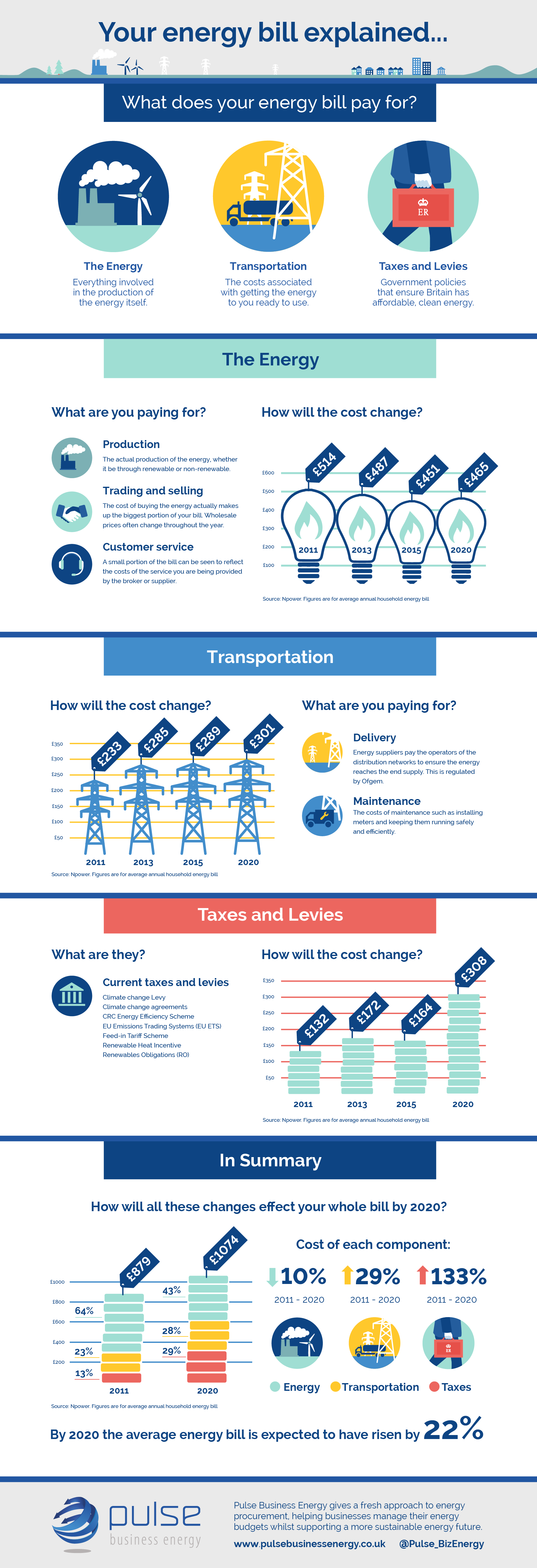
You probably opened your banking app this morning and felt that familiar knot in your stomach. The headlines aren't lying this time. UK household energy bills are officially set to climb by an average of £332 per year. This isn't just another seasonal fluctuation or a minor adjustment by Ofgem. We're looking at a direct consequence of the escalating conflict in the Middle East, specifically the tensions involving Iran, which have sent global gas markets into a tailspin.
It’s frustrating. You’ve likely spent the last two years turning down the thermostat and bleeding your radiators, only to find yourself back at square one because of geopolitical shifts thousands of miles away. But shouting at the news doesn't pay the bills. Understanding why this is happening—and how the UK’s energy grid is uniquely vulnerable—is the first step to protecting your finances.
The Iran Connection and the Global Gas Trap
Most people think our energy prices depend on how much wind we’ve got blowing over the North Sea. It’s a nice thought, but it’s wrong. The UK remains heavily reliant on natural gas for both heating and electricity generation. When the situation between Israel and Iran deteriorated into open conflict, the "risk premium" on oil and gas spiked instantly.
Iran sits on some of the world's largest gas reserves and, more importantly, controls the Strait of Hormuz. Roughly a fifth of the world’s total oil consumption passes through that narrow waterway. If that gets choked off, or if regional infrastructure is targeted, the supply chain breaks. Even if we don't buy the majority of our gas directly from Iran, we buy from the same global pool as everyone else. When the pool gets smaller, the price for every drop goes up.
The £332 figure isn't arbitrary. Market analysts have tracked the wholesale price of gas since the most recent escalations, and the data shows a sustained 20% increase in forward contracts. Energy suppliers, who buy this gas months in advance, are now passing those costs onto you.
Why the Price Cap Won't Save You This Time
For a long time, we’ve been told the Ofgem Price Cap is our shield. It isn't. It’s more of a delayed reaction. The cap is designed to prevent suppliers from making excessive profits, but it doesn't stop them from passing on the actual cost of the energy they buy. If it costs a supplier more to get the gas to your front door, Ofgem will eventually raise the cap to keep those companies from going bust.
We've seen this movie before. In 2022, the shock from the Ukraine invasion broke the system. Now, the Middle East instability is doing the same thing. The "cap" is currently a floating ceiling that keeps rising. If you're on a standard variable tariff, you're essentially tethered to the volatility of the Persian Gulf.
The Myth of Energy Independence
I hear this a lot. "We have our own wind farms, why are we paying for Middle Eastern wars?"
It’s a fair question with a depressing answer. The UK’s energy market uses "marginal pricing." This means the price of electricity is set by the most expensive way we produce it. That’s almost always gas-fired power stations. Even if a wind farm produces electricity for pennies, it gets sold at the same price as electricity produced by expensive, imported gas. Until the government decouples gas prices from electricity prices, your bill will stay high.
There’s also the issue of storage. The UK has some of the lowest gas storage capacity in Europe. While nations like Germany or Italy can stock up when prices are low, we basically live hand-to-mouth. When a crisis hits, we have no buffer. We’re forced to buy on the "spot market" at whatever extortionate price is being demanded that day.
Hard Truths About Your Home Efficiency
Let’s talk about your house. Honestly, it’s probably leaking heat. The UK has the oldest and least efficient housing stock in Western Europe. If you live in a Victorian terrace or a pre-war semi, you’re essentially paying to heat the pavement outside.
Data from the Energy Saving Trust shows that a poorly insulated loft can lose 25% of a home's heat. That £332 increase? You could potentially wipe that out just by fixing your insulation, but that requires upfront cash that most families don't have lying around right now. It's a "poverty premium" where those who can't afford upgrades end up paying the most for energy.
Stop Falling for These Energy Saving Gimmicks
Every time prices go up, the internet fills with "hacks" that don't work. Let's clear the air.
- Leaving the heating on low all day: It’s almost always cheaper to only heat the house when you need it. Your boiler works harder to maintain a constant temperature against the cold outside than it does to heat a room quickly.
- Painting radiators black: This does nothing. Don't waste your time.
- Radiator foil: This actually helps a bit, but only on external walls. If the radiator is on an internal wall, you're just heating the next room.
Instead of those, look at your flow temperature. If you have a condensing combi boiler, the default setting is often too high (usually around 70-80°C). Turning the flow temperature down to 55°C or 60°C allows the boiler to run in its most efficient "condensing" mode. You won't feel a difference in the air, but you'll see a 6-8% drop in gas usage. That’s real money.
What You Should Do Right Now
Don't wait for the next bill to arrive. The market is moving fast.
First, check if a fixed tariff makes sense. For the last year, "fixing" was a bad idea because prices were falling. Now that the trend has reversed due to the Iran conflict, a fixed deal might actually provide a hedge against further spikes. If you can find a fix that is within 5-10% of the current price cap, it might be worth the peace of mind.
Second, get a smart meter if you don't have one. Not because it "saves" energy—it doesn't—but because it stops estimated billing. In a rising market, suppliers love to overestimate your usage to improve their cash flow. Don't give them an interest-free loan.
Third, look into the Great British Insulation Scheme. The government is quietly funding insulation for households in lower council tax bands (A-D) that have low energy efficiency ratings. Many people think they don't qualify because they aren't on benefits, but this specific scheme has broader criteria.
The Long Road to Decoupling
The reality is that as long as we use gas to balance our grid, we are at the mercy of global tyrants and distant wars. The transition to a "clean" grid isn't just about the environment anymore; it’s about national security.
We need to push for faster investment in long-duration energy storage, like pumped hydro or liquid air batteries. These technologies would allow us to store that "cheap" wind power for days when the air is still, removing the need to fire up the gas plants. Until that happens, the £332 increase we're seeing today is just one chapter in a very long, very expensive book.
Take control of what you can. Check your boiler flow temperature tonight. Seal the gaps around your windows with cheap draught-proofing tape. Call your provider and ask about their latest fixed rates. The geopolitical situation isn't going to settle down anytime soon, so you have to be the one to move first.
Apply for the Great British Insulation Scheme through the official government portal immediately. Check your council tax band and your EPC rating. If your home is rated D or below, you could get hundreds of pounds in free upgrades. Don't leave that money on the table while energy giants and oil-producing states profit from the chaos.


