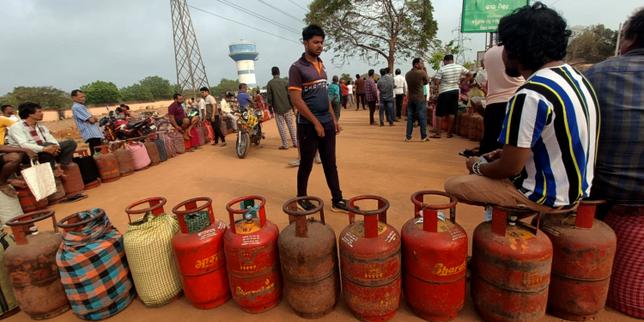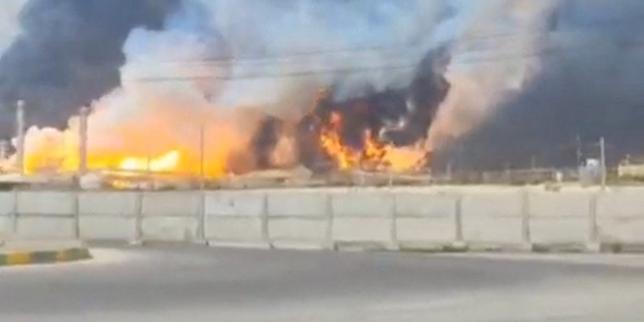
The immediate 15% surge in Brent Crude and the decoupling of Dutch TTF gas futures from seasonal norms are not mere reactions to conflict; they represent the mathematical repricing of physical risk in an undersupplied energy architecture. When kinetic strikes hit Iranian midstream assets and Middle Eastern processing nodes, the market moves from a "flow-based" valuation to a "scarcity-premium" model. This shift exposes the fragility of just-in-time energy logistics and the limited buffer provided by strategic reserves.
The Triad of Volatility: Infrastructure, Insurance, and Interdiction
To understand the current price trajectory, one must decompose the crisis into three distinct operational bottlenecks. The market is currently pricing in the total failure of one or more of these pillars.
- Physical Infrastructure Impairment: Direct damage to refineries or pumping stations creates a hard cap on export volumes. Unlike financial assets, physical energy molecules cannot be "re-routed" if the pressurized terminal at the point of origin is non-functional.
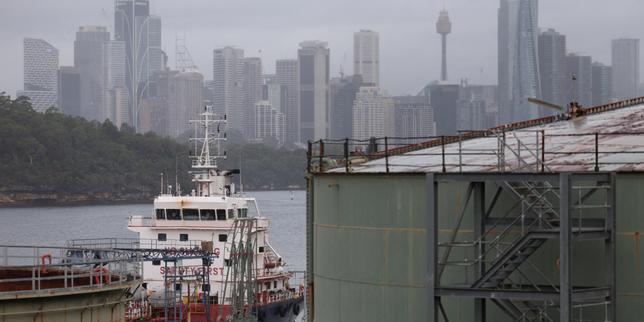
- Maritime Risk Premiums: Even if oil is available, the cost to move it scales exponentially with risk. War risk insurance premiums for tankers in the Persian Gulf can jump from basis points to percentage points of the total cargo value in 48 hours, effectively raising the floor price of every barrel delivered to Rotterdam or Ningbo.
- The Strait of Hormuz Chokepoint: Approximately 21% of global petroleum liquids consumption passes through this 21-mile-wide passage. Any credible threat of interdiction here introduces a "black swan" variable into pricing algorithms, causing a delta that technical analysis cannot account for.
The Cost Function of Gas vs. Oil
While oil and gas are often grouped, their price mechanics under fire are fundamentally different. Oil is a fungible global commodity with a dense energy-to-volume ratio, making it easier to transport via alternative routes. Natural gas, particularly European supply, is captive to rigid infrastructure.
The European Gas Vulnerability Matrix
The spike in European gas prices is a function of the Continent’s reliance on LNG (Liquefied Natural Gas) as a replacement for Russian pipeline flows. This transition has traded "geopolitical dependency" for "market volatility dependency."
- Regasification Constraints: Europe has a finite capacity to turn liquid back into gas. If Middle Eastern LNG cargoes are diverted or delayed, the bottleneck isn't the molecules in the ocean, but the throughput of the terminals.
- Storage Depletion Rates: Prices rise not just because of today’s shortage, but because of the fear that storage facilities will not be recharged for the next heating season.
- The Qatar-Iran Nexus: Iran shares the South Pars/North Dome field with Qatar—the world’s largest gas field. Any escalation that touches this geographical area threatens the stability of the global LNG supply chain, not just regional output.
Operational Feedback Loops in Energy Markets
The "soaring prices" reported by generalist media are actually the result of complex feedback loops. When an attack occurs, the following sequence is triggered:
Step 1: The Panic of the Shorts
Traders who held "short" positions (betting on price drops) are forced to buy back contracts immediately to limit losses. This forced buying creates an artificial spike that often overshoots the actual physical reality of the supply disruption.
Step 2: The Hedging Surge
Airlines, shipping conglomerates, and industrial manufacturers see the price spike and rush to "hedge" their future needs. They buy futures contracts for six to twelve months out, which pushes the entire "forward curve" upward.
Step 3: The Inventory Hoard
Refiners and national governments begin holding onto existing stocks rather than releasing them to the market. This reduction in "floating supply" tightens the physical market even further, creating a self-fulfilling prophecy of scarcity.
The Displacement of the Marginal Barrel
The global energy market functions on the concept of the "marginal barrel"—the last, most expensive barrel needed to meet demand. When Iranian or regional production is threatened, the market looks to the United States (Permian Basin) or OPEC+ (specifically Saudi Arabia and the UAE) to provide the marginal barrel.
The crisis reveals a critical flaw in current energy policy: spare capacity is at multi-year lows. If Saudi Arabia cannot or will not increase production to offset a 2-million-barrel-per-day (bpd) loss from Iran, the price must rise until "demand destruction" occurs. Demand destruction is the point where the price is so high that consumers simply stop buying, forcing the economy into a contraction to balance the books.
Structural Asymmetry in Kinetic Warfare
Modern energy infrastructure is hyper-specialized and brittle. A drone costing $20,000 can successfully disable a hydrocracker or a desulfurization unit that costs $500 million and takes 18 months to repair. This asymmetry means that even "minor" attacks have disproportionate economic consequences.
- Repair Lead Times: Supply chain delays for high-spec specialized alloys and sensors mean that a successful strike on a refinery is not a "one-week outage." It is a multi-quarter disruption.
- Refining Complexity: Crude oil is useless without refining. If the attack hits the "downstream" (refining) rather than the "upstream" (wells), the world may have plenty of oil but a critical shortage of diesel and jet fuel.
The Geopolitical Arbitrage of Energy Inflation
High energy prices serve as a tool of economic statecraft. For Iran, the threat of high prices is a deterrent against further escalations. For Russia, the resulting chaos in European energy markets provides a distraction and a financial windfall. For China, the world’s largest importer, these spikes represent a tax on their manufacturing sector, forcing them to accelerate their move toward domestic renewables and nuclear power to escape the "hydrocarbon trap."
Strategic Allocation and Risk Mitigation
Institutional players and energy-dependent enterprises should ignore the "breaking news" noise and focus on the structural shifts in the energy basis.
- Monitor the Brent-WTI Spread: A widening gap between European/International benchmarks (Brent) and American benchmarks (WTI) indicates that the crisis is localized to Eastern Hemisphere supply chains. A narrowing gap suggests a total global contagion.
- Evaluate "Duration Risk" in Energy Contracts: Short-term spot price volatility is a tactical problem. The strategic threat lies in the upward shift of the 2-year and 5-year price strips, which dictates long-term inflation and CAPEX (Capital Expenditure) planning.
- Assess the "Security of Supply" vs. "Price of Supply": The focus for the next 36 months must shift from finding the cheapest energy to ensuring the most resilient energy. This involves diversifying from single-chokepoint sources and investing in "behind-the-meter" storage and generation.
The current escalation is a stress test of the post-2022 energy order. The result will likely be a permanent "geopolitical risk premium" embedded in every gallon of fuel and every megawatt of power for the remainder of the decade. Enterprises should model their operations based on an $85 floor for Brent, regardless of short-term pullbacks, to account for the persistent threat of infrastructure fragility. Purchases of long-dated call options on energy ETFs are a prudent hedge against the next inevitable kinetic disruption in the Middle East.