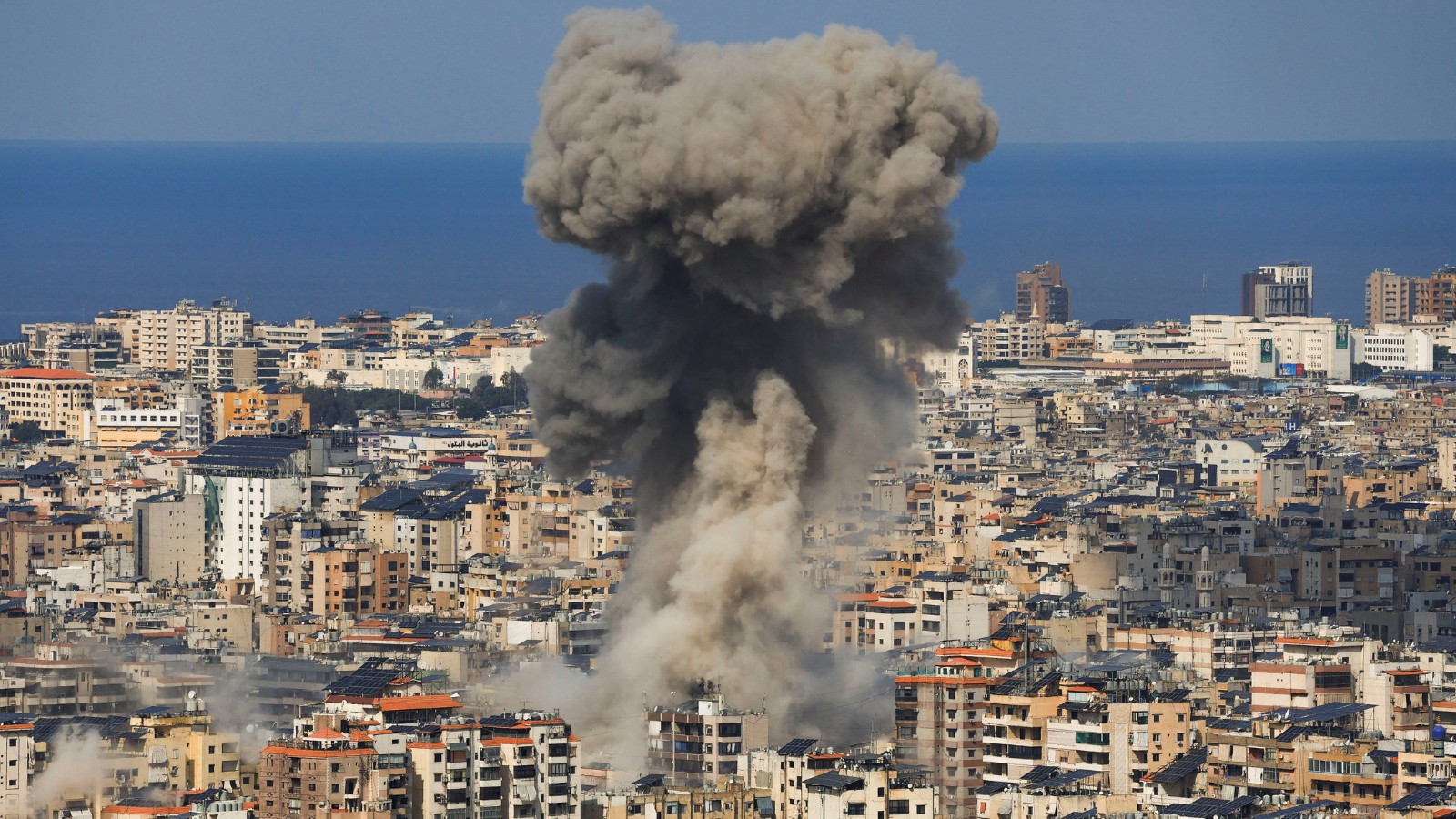
The myth of Dubai as a "Middle East Switzerland" died on a Saturday night. As over 1,000 Iranian drones and missiles saturated the skies over the United Arab Emirates, the carefully curated image of a shimmering, untouchable financial hub was replaced by the staccato rhythm of Patriot batteries and the sight of smoke rising from the Jebel Ali port.
For decades, the UAE has operated under a unspoken pact with regional volatility: build the tallest towers, offer the most liquid markets, and remain so economically vital that no one would dare pull the trigger. That pact is now ashes. Following the joint U.S.-Israeli strikes of Operation Epic Fury, Tehran chose to treat the UAE not as a neutral neighbor, but as a frontline combatant. The sheer volume of the assault—189 ballistic missiles and nearly 950 drones—represents a categorical shift in regional warfare. This was not a symbolic gesture. It was a systematic attempt to dismantle the economic security of the Gulf.
The Geography of Vulnerability
The UAE finds itself in an impossible strategic squeeze. While Abu Dhabi maintains it has not permitted its territory to be used for offensive strikes against Iran, Tehran views the presence of U.S. assets at Al Dhafra Air Base as a de facto involvement. This distinction, which worked during previous periods of friction, has failed to hold in 2026.
The Iranian strategy is no longer about hitting military targets alone. It is about hitting the "Brand." By targeting Dubai International Airport and the Palm Jumeirah, Iran is weaponizing the anxiety of the global investor class. They know that a missile hitting a desert outpost is a statistic, but a drone striking near the Burj Al Arab is a headline that triggers capital flight.
The UAE military has performed with clinical precision, intercepting the vast majority of incoming threats. However, the economics of defense are working against them. The cost of a single interceptor missile used by the UAE’s multi-layered defense system—which includes THAAD and Patriot PAC-3—is exponentially higher than the "lawnmower" drones Iran mass-produces. Tehran is betting that it can bankrupt the Gulf’s patience and its treasuries through sheer attrition.
The Collapse of the De-escalation Doctrine
Since 2019, the UAE had pursued a policy of pragmatic engagement with Iran. They reopened embassies, facilitated trade, and attempted to navigate the rivalry between Washington and Tehran with a light touch. This was a survival mechanism. Emirati leadership understood that they are the first to bleed in any direct confrontation.
That era of "hedged neutrality" is over. The decision to close the UAE embassy in Tehran and withdraw all diplomatic staff this week marks the lowest point in bilateral relations in forty years. The rhetoric coming from Abu Dhabi has hardened. The Ministry of Foreign Affairs is no longer talking about "regional dialogue"; they are asserting a "sovereign right to self-defense" under the UN Charter.
This shift is mirrored in Riyadh. In a rare display of total alignment, Saudi Arabia has pledged its full military capabilities to support the UAE. The old rivalries between the two Gulf powers over oil quotas and regional influence have been shelved. They have both realized that if the "Safe Haven" model fails in Dubai, it fails for the entire Saudi Vision 2030 project as well.
The Silent Front of Cyber Attrition
While the world watches the missile trails over the Corniche, a far more dangerous conflict is unfolding in the digital architecture of the Gulf. Iran has moved beyond simple website defacement. The current wave of attacks has targeted the UAE’s financial hubs and energy grids using AI-driven intrusion tools that hunt for vulnerabilities at speeds human operators cannot match.
A fire at an Amazon Web Services (AWS) data center in the UAE earlier this week, reportedly caused by "objects" falling from the sky, highlights the physical-digital overlap of this conflict. When a data center goes dark in the Middle East, it isn't just local apps that fail. The UAE has positioned itself as the digital backbone for three continents. A sustained disruption here ripples through global logistics, maritime insurance, and fintech.
The Retaliation Dilemma
Abu Dhabi now faces a choice that will define the next fifty years of its history. They can continue to play a purely defensive game, hoping the U.S. and Israel degrade Iran’s launch capabilities enough to stop the rain of fire. Or, they can execute the counterstrikes they are now openly "considering."
A military response from the UAE would be a Rubicon moment. It would signify that the Gulf states are no longer willing to hide behind the shield of Western protection. They have the hardware—F-35s and a sophisticated air force—to cause significant damage to Iranian coastal infrastructure.
The risk, of course, is that a direct strike by the UAE on Iranian soil would invite a "total war" scenario. The Strait of Hormuz, the world’s most critical energy artery, sits in the UAE’s backyard. If that chokepoint is fully shuttered, the global economy enters a tailspin that no amount of sovereign wealth can fix.
The UAE is currently betting on a "fortress" strategy. They have shuttered stock markets, grounded commercial flights, and moved into a high-readiness defensive posture. They are signaling to the world that they can take the hit and remain standing. But "standing" is a low bar for a nation that built its identity on being the pinnacle of luxury and stability.
The true measure of this conflict won't be found in the number of intercepted missiles, but in the number of residents and businesses that decide the "safe haven" is no longer safe. You cannot maintain a global financial center in a combat zone. The UAE knows this, and their next move will likely be designed to end the threat once and for all, rather than simply absorbing it.