The air at the Torkham border crossing doesn’t smell like politics. It smells of diesel fumes, roasted corn, and the sharp, metallic tang of unwashed iron. Here, the earth is a bruised shade of ochre, trampled by thousands of feet that don't always care where one nation ends and another begins. For generations, the Durand Line has been a scar on the landscape, a colonial map-maker's whim that sliced through the heart of the Pashtun tribes. But lately, that scar has begun to bleed.
The silence in the border villages is different now. It is heavy. It is the kind of silence that precedes a landslide.
When the Pakistani military launched Operation Ghazab Lil Haq—translated with chilling poeticism as "Wrath of the Truth"—it wasn't just a tactical maneuver. It was a declaration. The statistics coming out of the rugged, jagged peaks of the northwest tell a story of "open war," a term usually reserved for history books or distant battlefields. Over 130 lives have been extinguished in a matter of weeks. To a strategist in Islamabad or a diplomat in Kabul, these are data points on a heat map. To the grandmother in a mud-brick house in North Waziristan, they are the empty chairs at the dinner table.
The Geography of Ghost Towns
Imagine a shopkeeper named Hamid. This is a hypothetical man, but his reality is mirrored in every street from Parachinar to Bajaur. Hamid sells bags of flour and canisters of cooking oil. For years, his biggest worry was the price of wheat or the reliability of the electricity grid. Today, he watches the horizon for the smudge of smoke that signals a drone strike or the rumble of heavy artillery moving toward the ridgeline.
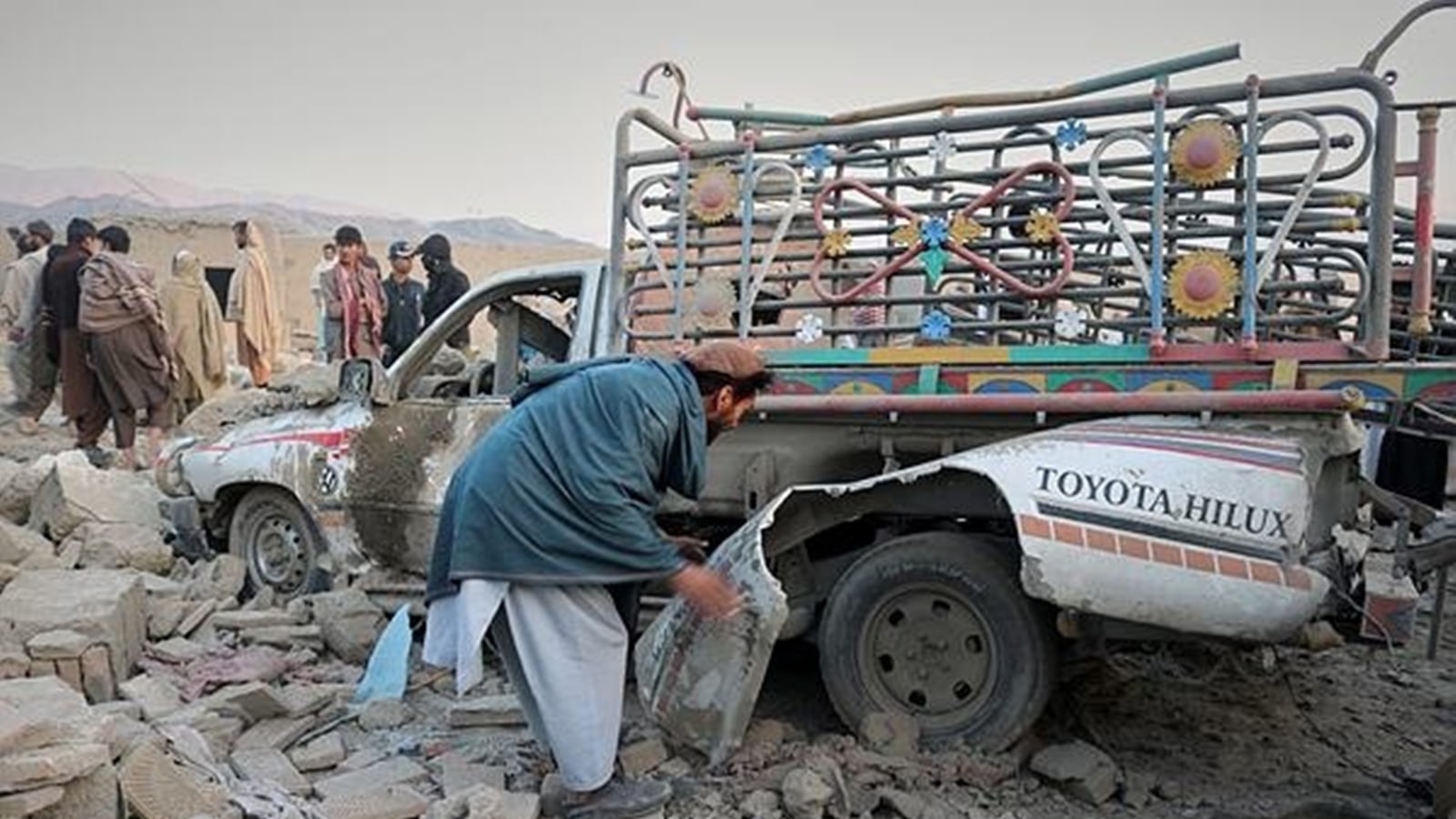
The conflict isn't just happening "over there." It is happening in the lungs of the children breathing in the dust of demolished hideouts. It is happening in the shuttered markets where trade has evaporated, replaced by the grim logistics of a military surge. Pakistan’s stated goal is clear: to root out the Tehrik-i-Taliban Pakistan (TTP), a group that has found sanctuary in the porous folds of the Afghan border.
The TTP is not a ghost. It is a tangible, violent force that has shattered the peace of Peshawar and beyond. But when a state decides to go to "open war" within its own frontier, the collateral damage isn't just physical. It is social. It is the trust that takes decades to build and seconds to incinerate.
The Mechanics of the Wrath
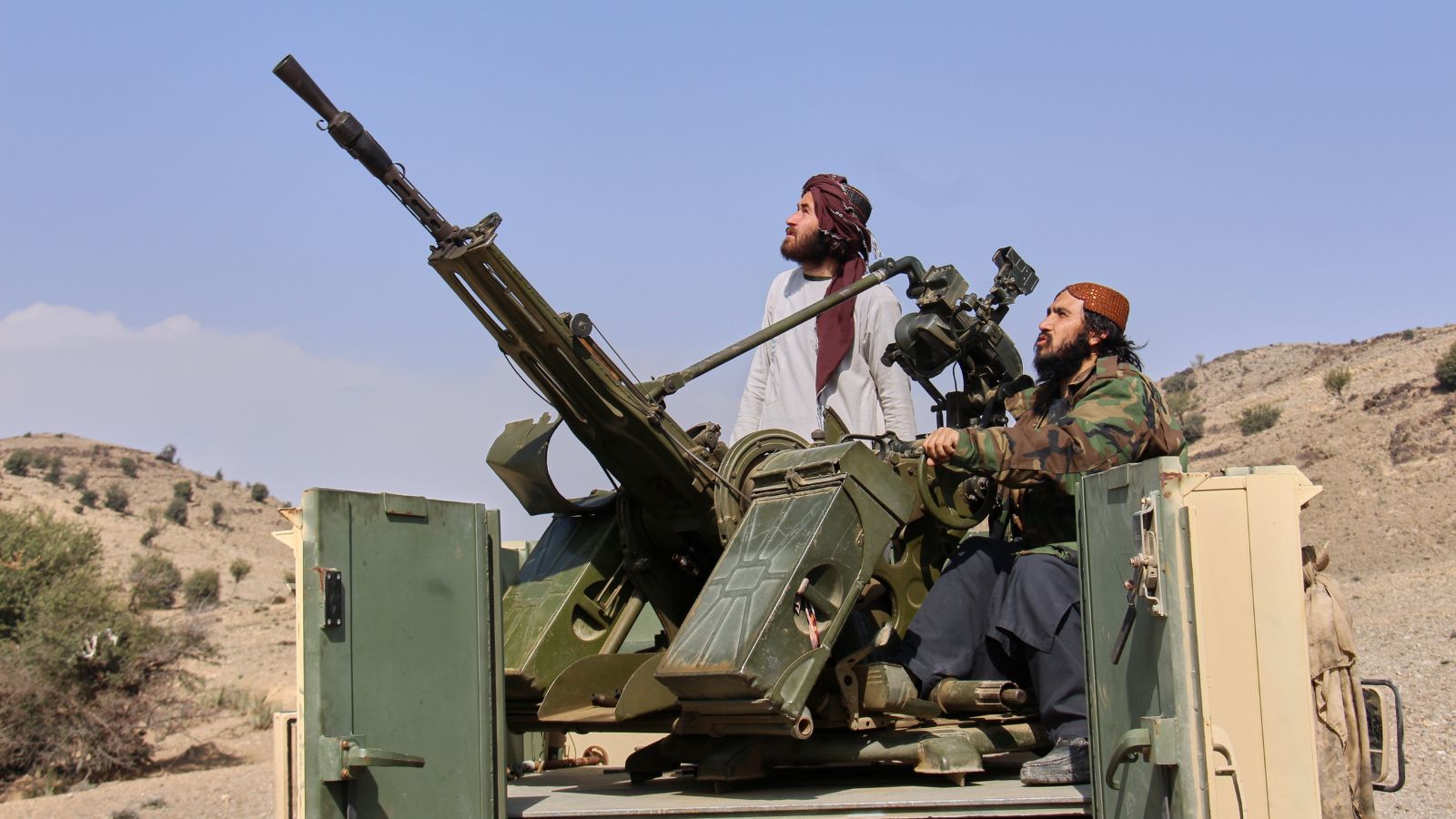
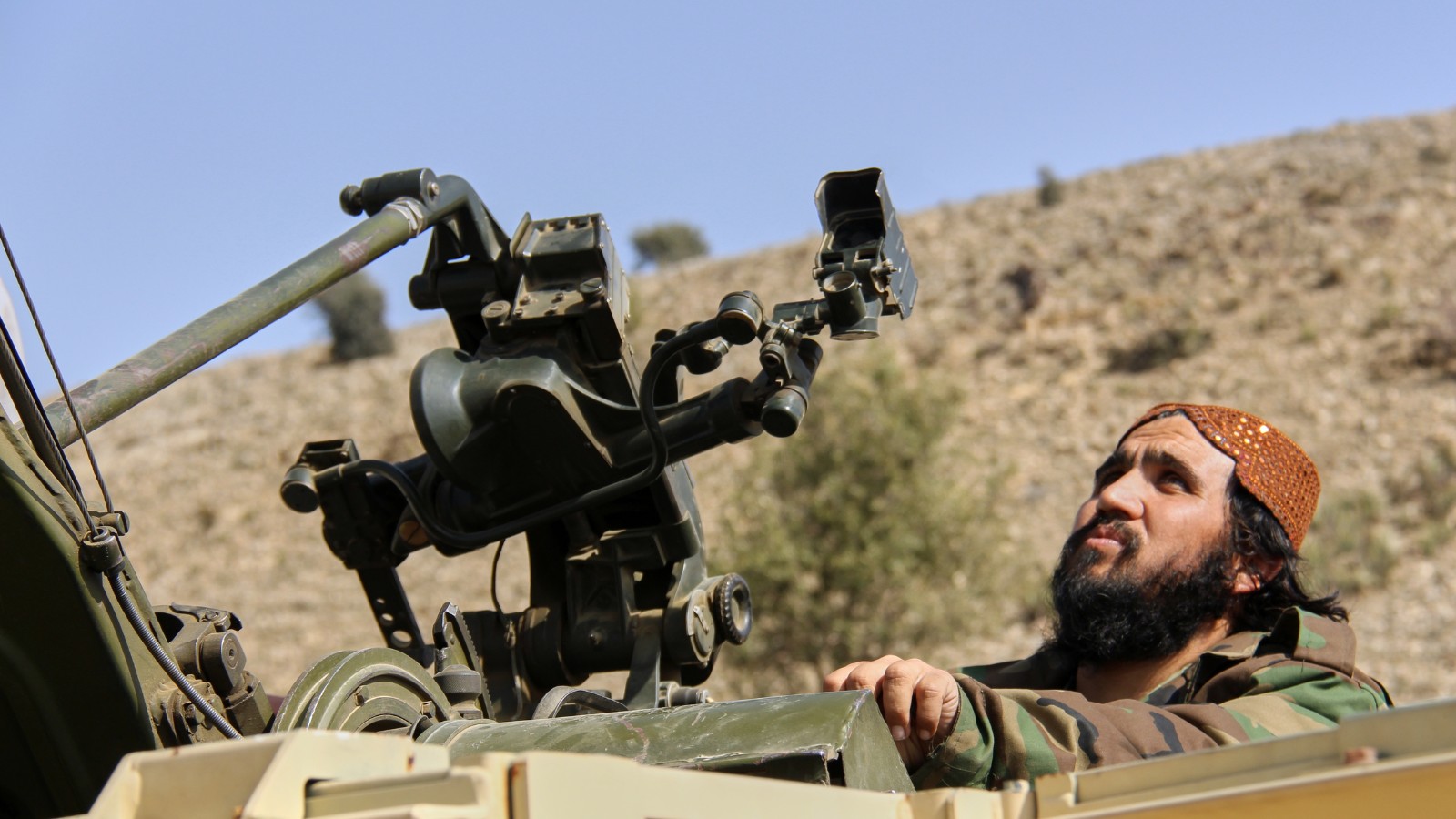
Operation Ghazab Lil Haq is a multi-layered beast. It isn't just soldiers in boots. It is a sophisticated orchestration of intelligence-led strikes, aerial bombardment, and the tightening of the noose around logistical corridors. The government argues that the "truth" in the operation’s name refers to the undeniable necessity of national security. They point to a surge in cross-border terrorism that has made life in Pakistan’s major cities a gamble.
They are not wrong about the threat. The TTP has grown bolder, fueled by the vacuum left behind after the 2021 shift in Kabul.
But consider the friction of the machine. When you use a sledgehammer to kill a hornet, you tend to break the wall. The "open war" involves heavy weaponry in civilian-adjacent areas. It involves the displacement of families who have already been displaced three times in the last twenty years. Each shell fired into the mountainside echoes in the hearts of those who feel the state sees their home only as a "buffer zone" or a "theatre of operations."
The complexity is dizzying. On one side, you have a Pakistani state grappling with an existential security crisis. On the other, you have an Afghan Taliban government that denies providing harbor to militants, despite overwhelming evidence to the contrary. In the middle, you have 130 dead.
Who were they? Some were verified militants, caught in the crosshairs of a precise strike. Others were the "unfortunate realities" of war—bystanders, low-level recruits with nowhere else to go, or people simply in the wrong valley at the wrong hour.
The Invisible Stakes
We often talk about war in terms of territory gained or lost. In the mountains of Pakistan and Afghanistan, territory is a fickle thing. The real stakes are the minds of the next generation.
When a young man sees his village cordoned off, his movements tracked by biometric scanners, and his local economy decimated by border closures, he doesn't see "Ghazab Lil Haq" as a pursuit of truth. He sees it as a pursuit of him. This is the tragic cycle of the frontier. Security measures, while perhaps necessary in the short term, often plant the seeds for the very radicalization they seek to harvest.
The cost of this operation is currently measured in the millions of rupees and the scores of lives. But the hidden cost is the erosion of the "tribal social contract." For over a century, these areas functioned on a delicate balance of local autonomy and federal oversight. That balance is gone. It has been replaced by the "open war" footing, where every civilian is a suspect and every mountain pass is a kill zone.
The Border That Refuses to Close
You can draw a line on a map, but you cannot easily draw a line through a family. Many of those living in the shadow of Operation Ghazab Lil Haq have cousins, brothers, and business partners on the other side of the wire. To them, the "cross-border" element of the conflict feels like a domestic dispute settled with heavy artillery.
The tension between Islamabad and Kabul has reached a fever pitch. There are accusations of betrayal, of broken promises, and of "double games" that have lasted for decades. While the diplomats exchange heated memos, the residents of the border towns watch the convoys pass by.
They know that when the operation eventually "concludes"—as all military operations eventually do—the soldiers will return to their barracks in the cities. The drones will return to their hangars. But the craters will remain. The bitterness will remain.
It is difficult to explain the sheer scale of the fatigue in this region. This isn't the first operation, and it won't be the last. Names like Zarb-e-Azb and Radd-ul-Fasaad are etched into the local memory like scars. Each one promised a finality that never quite arrived. Now, Ghazab Lil Haq joins the list, promising "truth" through the barrel of a gun.
The Human Echo
The 130 people killed in this latest surge are not just a headline. Each one represents a ripple.
A father who will no longer walk his daughter to school. A son who was the sole breadwinner for a family of eight. A soldier who believed he was protecting his country, only to fall in a cold, lonely ravine. When we strip away the geopolitical posturing, we are left with the raw, shivering reality of human loss.
The world looks at Pakistan and sees a nuclear-armed state in turmoil. It looks at Afghanistan and sees a pariah state under the thumb of the Taliban. But if you stand on that dusty road in Torkham, you don't see states. You see people trying to survive the whims of giants.
The "open war" is not a clean thing. It is messy, loud, and devastatingly permanent for those it touches. It is a reminder that in the quest for security, the first thing we often lose is our sense of shared humanity.
As the sun sets over the Hindu Kush, the shadows stretch long across the valley. The firing may pause for the night, but the fear doesn't. It sits in the back of the throat, tasting like the copper of the earth and the smoke of the convoys. The "truth" of the operation remains a matter of perspective, but the grief—the grief is universal.
A child picks up a spent shell casing near a stream, turning the brass over in small, dirt-smudged hands. To the world, it is a piece of evidence. To the child, it is just a heavy, cold reminder that the mountains are no longer safe.
Would you like me to analyze the historical context of the Durand Line to help you understand why this border remains one of the most volatile regions on earth?