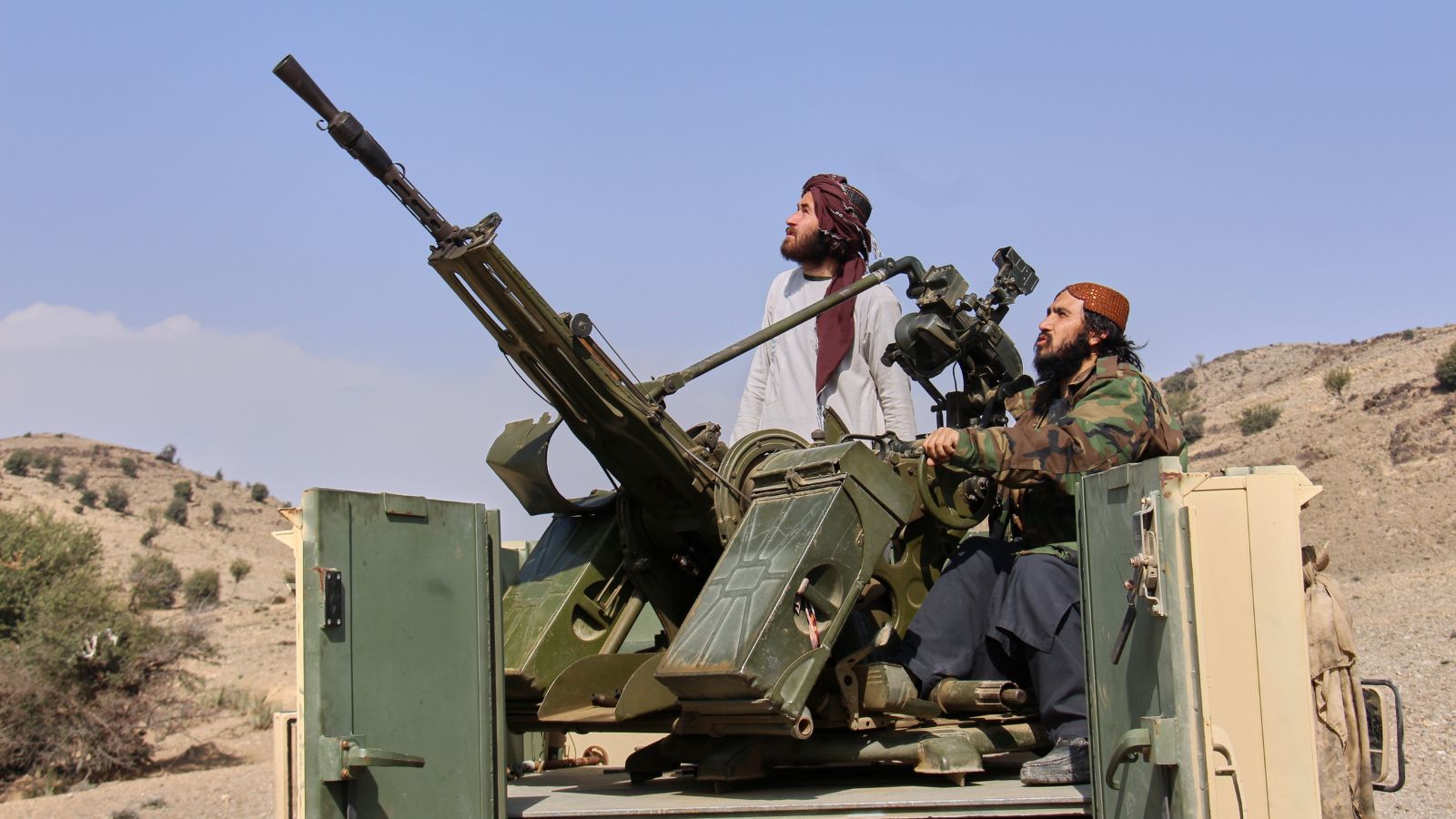
The headlines are lying to you. They paint a picture of a "negotiated settlement" hovering just out of reach, as if the Taliban and the Pakistani military are two rational actors who simply haven't found the right boardroom yet. They talk about "escalation" like it’s a temporary fever that a bit of diplomacy can break.
It isn't.
What we are witnessing along the Durand Line isn't a diplomatic hurdle; it is the inevitable collision of two entities that cannot coexist in their current forms. When the Taliban says they are "willing to negotiate," they aren't offering peace. They are offering a stall tactic. They are buying time to consolidate a state that, by its very DNA, must undermine the sovereignty of its neighbor.
The Strategic Fallacy of the Durand Line
The international press loves to talk about the 2,640-kilometer border as if it’s a settled legal reality. It isn't. To the Taliban, the Durand Line is a colonial ghost. They don’t recognize it. They never will.
I’ve sat in rooms with the men who try to map these regions, and the reality is that the map is a lie. Pakistan’s military establishment spent decades thinking they could "manage" Afghanistan by installing a friendly regime in Kabul. They wanted "strategic depth." Instead, they got a strategic nightmare. They built a Frankenstein’s monster that has now decided the creator’s house looks like a nice place to expand.
The "willingness to negotiate" being touted in the news is a facade. It’s a diplomatic theater designed to prevent Pakistan from launching a full-scale conventional kinetic response. The Taliban knows Pakistan is broke. They know the IMF is breathing down Islamabad's neck. They know the Pakistani military is internally fractured.
So, they talk. They send minor officials to sit in low-rent hotels and nod their heads. Meanwhile, they continue to provide sanctuary to the Tehrik-i-Taliban Pakistan (TTP).
Why the TTP is the Taliban’s Only Real Asset
The common misconception is that the Afghan Taliban "can’t" control the TTP. That’s a convenient fiction for diplomats. The truth is they won’t control them.
The TTP is the Afghan Taliban's ideological twin and its most effective leverage. If the Taliban hands over TTP leaders to Pakistan, they lose their legitimacy within the global jihadi movement. They also lose their most potent threat against a nuclear-armed neighbor.
- Leverage Over Islamabad: Every TTP attack inside Pakistan is a reminder to the Pakistani military that the cost of cross-border operations is too high.
- Internal Cohesion: The Taliban’s foot soldiers don’t want peace; they want the global triumph of their specific brand of order. Sacrificing their "brothers" in the TTP would trigger a mutiny.
- The Buffer State Reality: Afghanistan is no longer a buffer state; it is a launchpad.
Stop Asking if the Conflict Will Escalate
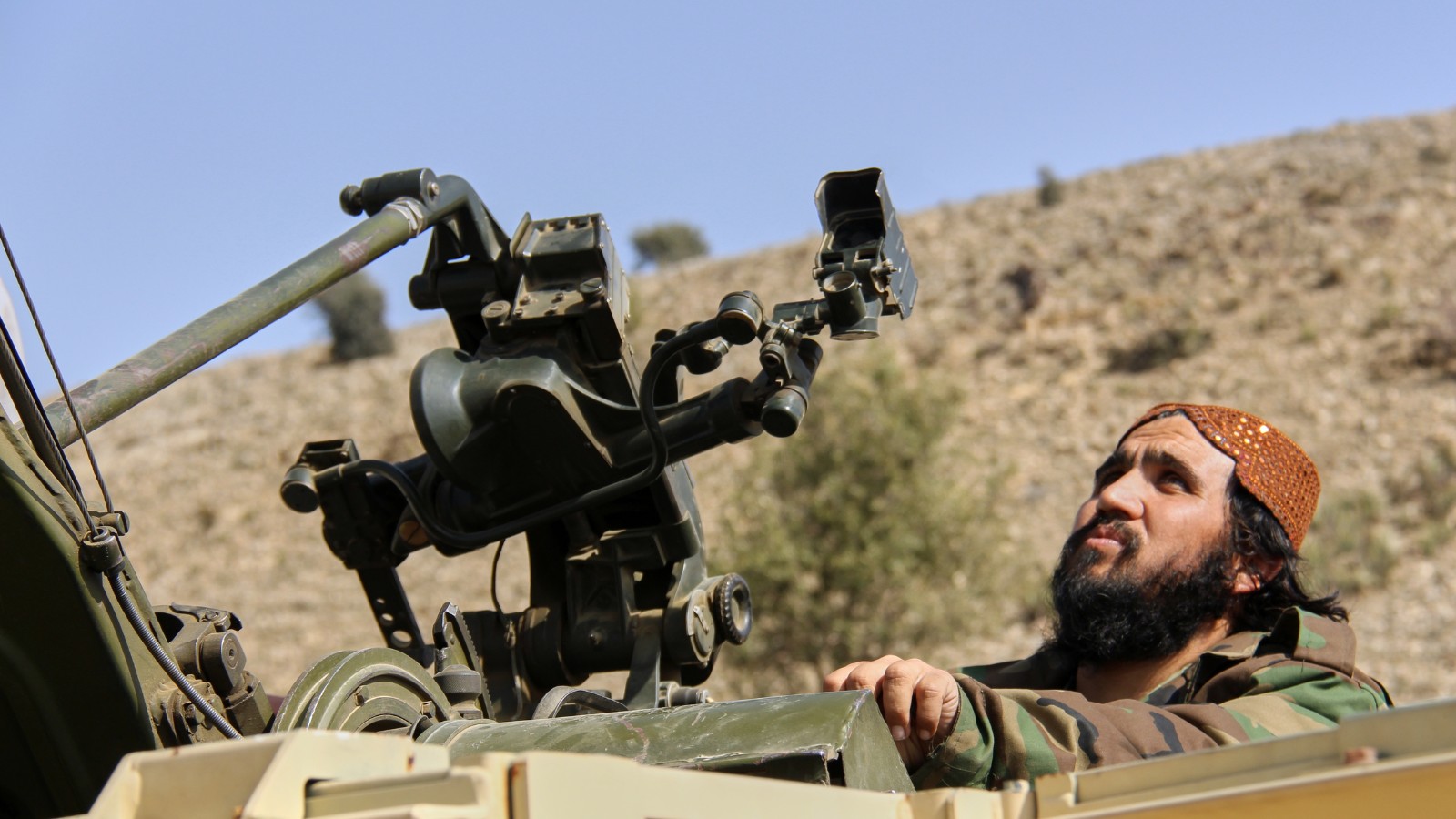
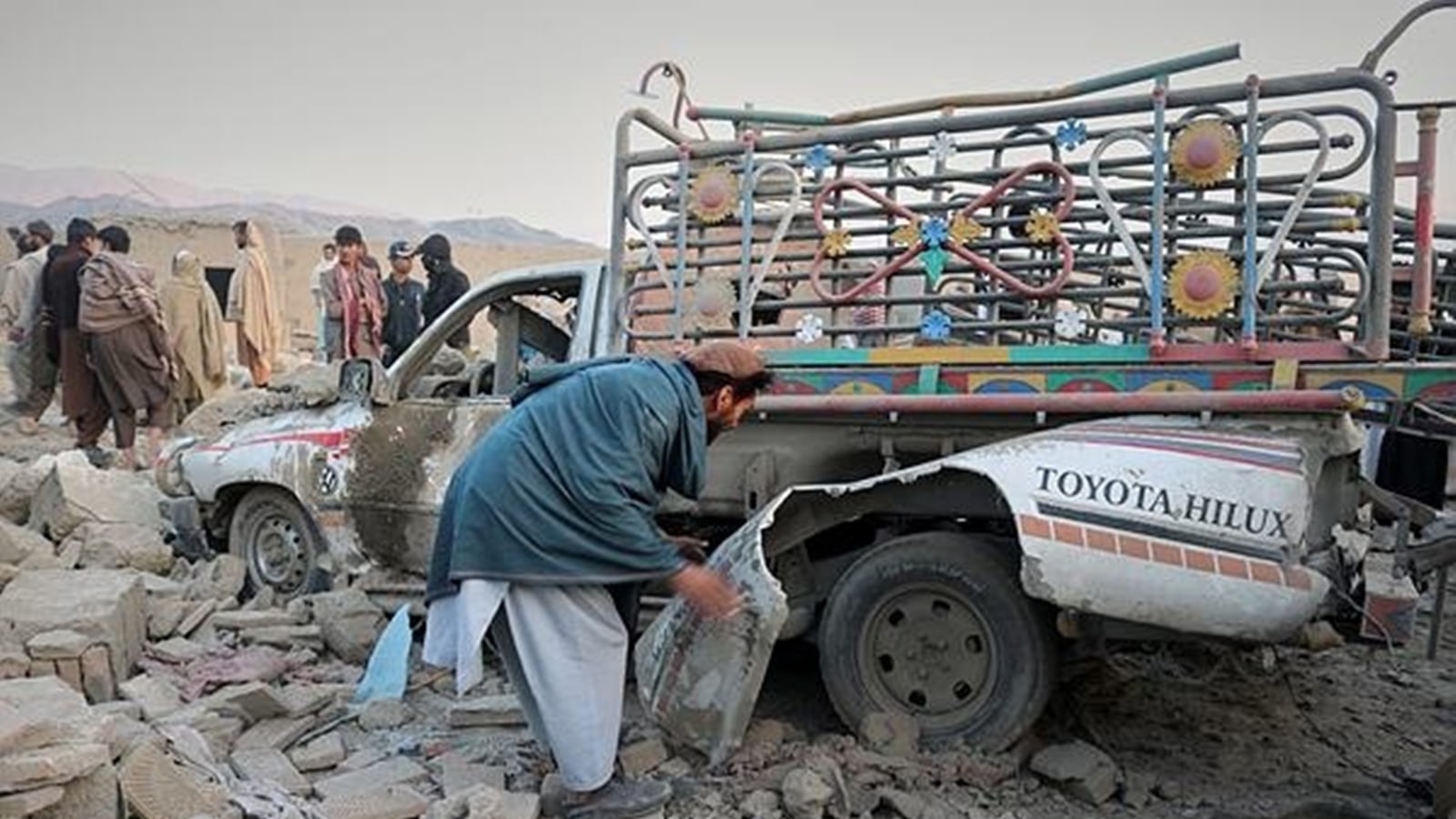
It has already escalated. The "conflict" isn't just the exchange of artillery fire at the Torkham or Chaman border crossings. The conflict is the fundamental destabilization of the Pakistani state.
We see analysts on cable news asking if this will lead to a full-scale war. They are looking for tanks and jets. They should be looking at the radicalization of the border provinces. They should be looking at the total collapse of the security apparatus in Khyber Pakhtunkhwa.
If you want to understand the reality, you have to look at the math of insurgent warfare. It costs the Taliban almost nothing to facilitate a TTP raid. It costs Pakistan millions of dollars to respond, mobilize troops, and maintain a border fence that is being cut faster than it can be repaired.
In a war of attrition, the entity that can survive on less wins. The Taliban has spent twenty years proving they can survive on nothing. Pakistan, with its ballooning debt and crumbling infrastructure, cannot afford a forever war on its own doorstep.
The Myth of the Rational Negotiator
The "lazy consensus" says that both sides want stability for the sake of trade and the China-Pakistan Economic Corridor (CPEC). This assumes that the Taliban cares about GDP. They don’t. They care about ideological purity and the survival of their emirate.
If stability meant recognizing the Durand Line and disarming the TTP, the Taliban would view that as a defeat. For them, a state of "controlled chaos" is actually preferable. It keeps Pakistan on the defensive and prevents any serious regional coalition from forming against them.
The Brutal Reality for Islamabad
Pakistan is currently in a "lose-lose" loop.
- Option A: Launch a major offensive into Afghan territory. Result? International condemnation, a massive refugee crisis, and a full-scale conventional war with the Taliban that Pakistan’s economy can’t sustain.
- Option B: Continue "negotiating." Result? The TTP grows stronger, more radicalized elements find a foothold, and the internal security of Pakistan continues its slow-motion collapse.
The "insider" secret that no one in the Pakistani government wants to admit is that the fence failed. The billions of rupees spent on a physical barrier were a psychological placebo for the Pakistani public. You cannot fence out an ideology. You cannot fence out a group of people who share the same blood, language, and religion on both sides of a line drawn by a British civil servant in 1893.
The Question Everyone Gets Wrong
People ask: "How can the Taliban be so reckless when they need Pakistan for trade?"
This is the wrong question. The right question is: "Why does Pakistan think they have any leverage left?"
Afghanistan has found other ways to breathe. They are talking to the Chinese. They are talking to the Russians. They are playing a multi-polar game that the West and Pakistan haven't caught up to yet. They are using their "negotiating" stance as a weapon to paralyze Pakistani decision-making.
Actionable Intel for the Realistic Observer
If you are watching this conflict, stop looking at the joint statements coming out of Kabul and Islamabad. They are noise. They are designed to keep the IMF happy and the local populations quiet.
Instead, watch these three indicators:
- The Displacement of TTP Fighters: If the Taliban actually moves TTP fighters away from the border, it’s not for peace. It’s to regroup them for a more surgical strike later.
- Currency Flows: Watch the value of the Afghani vs. the Pakistani Rupee. The economic decoupling of these two regions is a harbinger of a more permanent, violent fracture.
- Chinese "Security" Contractors: Keep an eye on the presence of non-state security actors from China. When Beijing loses patience with the Taliban’s inability to protect CPEC interests, the real escalation begins.
The status quo is dead. The idea that these two "brotherly nations" will return to a peaceful coexistence is a fantasy peddled by diplomats who are too afraid to admit that the geopolitical map of South Asia is being rewritten in blood.
The Taliban isn't negotiating to end the war. They are negotiating to ensure they win it without firing a single shot at a Pakistani fighter jet. They are winning the long game because they know their opponent is playing by a rulebook that no longer exists.
Stop waiting for a peace deal. The war is already here. It’s just being rebranded as a "diplomatic process."